 We’ve secured funding to power Signal-to-Revenue AI to GTM teams globally. →
If you are a CMO, this situation feels familiar. Your team has a CRM, marketing automation, paid campaigns, webinars, ...
Subscribe Now
Upsell: Guide to Boosting Revenue Through Strategic Product Upgrades
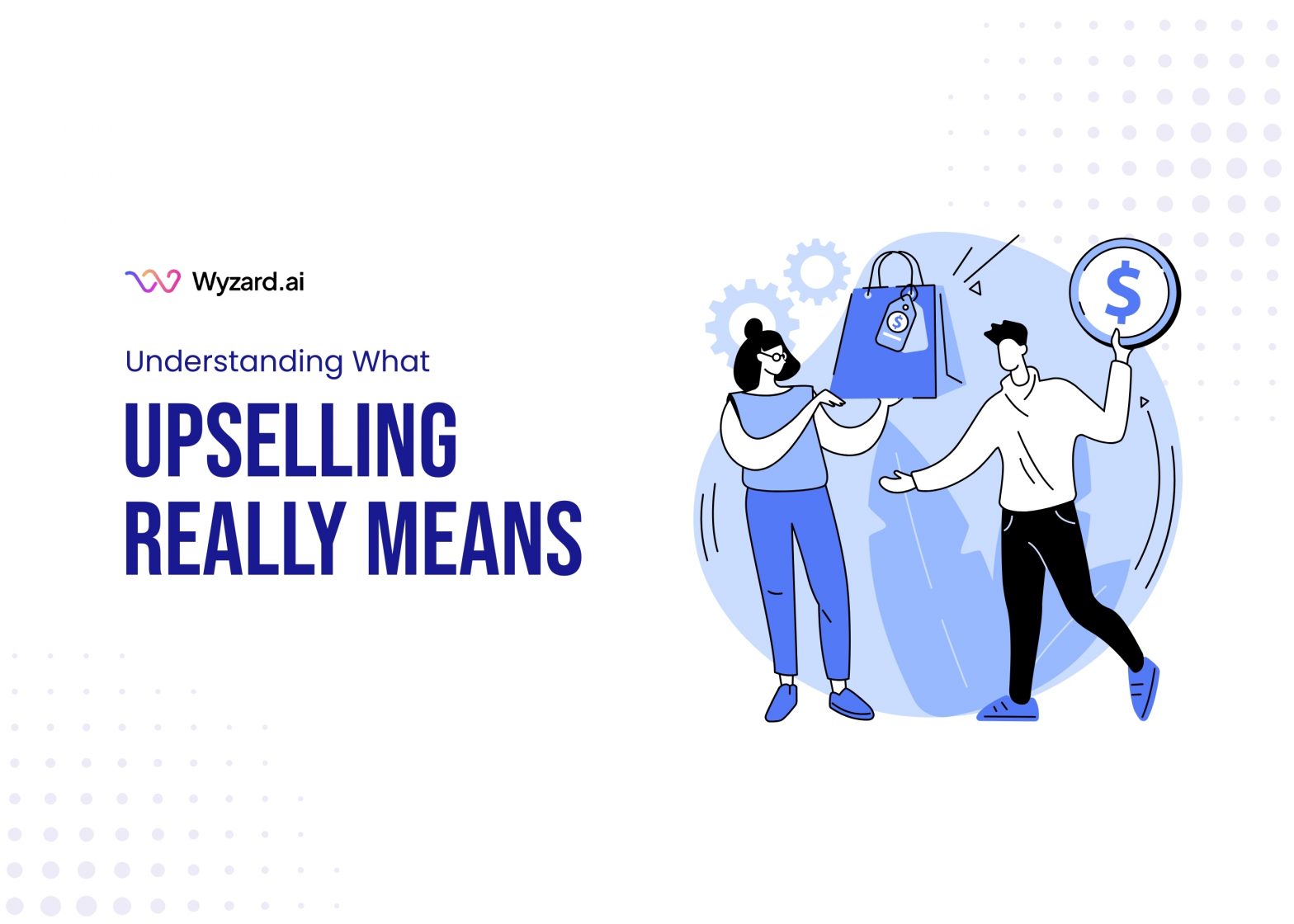
An upsell occurs when a customer purchases a higher-value version of the product they originally intended to buy. Rather than adding extra items to their cart, they’re choosing a premium tier, enhanced model, or upgraded package that better meets their needs, and increases your average order value in the process.
For B2B SaaS companies, upselling transforms how GTM teams approach revenue growth. When a prospect shows buying intent by requesting a demo or exploring your pricing page, responding with the right upgrade suggestion can mean the difference between closing a $5,000 annual contract versus a $15,000 one. The challenge isn’t convincing them to buy, they’re already interested. It’s about showing them why the better option delivers more value for their specific situation.
The opportunity cost of missing these moments adds up quickly. Every prospect who lands on your basic tier pricing when they actually need enterprise features represents revenue left on the table. Smart upselling isn’t about pressure tactics; it’s about recognition and timing.
Understanding What Upselling Really Means
The distinction matters more than semantics suggest. When someone asks “what does it mean to upsell,” they’re typically trying to understand how it differs from other revenue tactics. An upsell moves a customer up your value ladder from Starter to Professional, from monthly to annual, from self-service to managed support.
This differs fundamentally from cross-selling (suggesting complementary products) or add-on sales (offering accessories). With an upsell, you’re replacing their original choice with something better, not adding to it. A SaaS company upsells when they move a trial user from a freemium plan to a paid subscription, or when they convince a Standard customer to upgrade to Premium during renewal.
The psychology behind effective upselling centers on two principles: price anchoring and perceived value gaps. When you show three pricing tiers side by side, most buyers instinctively avoid both extremes and select the middle option, this is the decoy effect in action. Your middle tier becomes the default choice because it feels balanced, neither too basic nor unnecessarily expensive.
How Upselling Fits Into Your Revenue Strategy
| Revenue Tactic | Primary Goal | Best Timing | Impact on AOV |
| Upsell | Move to a higher-value product | During initial purchase or renewal | High (20-40% increase typical) |
| Cross-sell | Add complementary products | Post-purchase or renewal | Moderate (10-25% increase) |
| Add-on sale | Include accessories or extras | Point of sale | Low to Moderate (5-15% increase) |
The revenue impact of upselling compounds over time. A customer who starts on your Professional plan instead of Basic doesn’t just generate more revenue today, they’re locked into a higher baseline for future renewals. Their customer lifetime value grows from day one, and they’re more likely to stay engaged because they have access to features that drive real results.
For teams measuring pipeline efficiency, upselling changes the math entirely. Converting five prospects to your $10,000 tier generates the same revenue as converting ten prospects to your $5,000 tier, but requires half the sales effort, half the onboarding resources, and half the customer success bandwidth.
Proven Approaches to Upsell Execution
Tier-based comparison displays: Place your product tiers side by side with clear feature differentiation. Highlight what buyers lose by choosing the basic option rather than pushing what they gain from the premium. “Professional includes advanced analytics and priority support” lands differently than “Basic lacks these critical features,” even though they say the same thing.
Usage-triggered upgrade prompts: Monitor how customers interact with your product and surface upgrade suggestions when they hit limits. If someone on your Starter plan tries to add their sixth team member, that’s the moment to explain your Team plan’s benefits, not during their next billing cycle when the pain point has passed.
Annual billing incentives: Offering two months free when customers switch from monthly to annual billing serves a dual purpose. You collect more revenue upfront and reduce churn risk by locking in longer commitments. This works particularly well during renewal conversations when customers have already experienced your product’s value.
Value-based upgrade pathways: Frame premium tiers around outcomes rather than features. Instead of “Pro plan includes 50 GB storage,” position it as “Pro plan supports teams scaling to $1M ARR without storage constraints.” Connect the upgrade to their business goals, not your product specifications.
The timing of your upsell attempt determines its success rate as much as the offer itself. Presenting upgrade options during initial purchase conversations works when price anchoring is fresh. Suggesting upgrades during renewal discussions leverages existing satisfaction and usage patterns. The worst timing? Random outreach when the customer hasn’t signaled any need for additional capabilities.
Common Upselling Mistakes That Kill Conversions
Pushing upgrades too aggressively damages trust faster than it builds revenue. When customers feel pressured rather than helped, they disengage entirely, not just from the upsell, but from your brand. The line between helpful suggestion and pushy sales pitch lives in how well you’ve understood their actual needs.
Suggesting premium tiers that cost 3-4x more than the customer’s original choice typically fails. The percentage jump feels risky even when the absolute dollar increase is manageable. Keep upsell pricing within 25-50% of their intended purchase to maintain psychological safety.
Failing to explain the specific value of premium features leaves customers guessing whether the upgrade matters for their situation. Generic benefits like “more features” or “better support” mean nothing without context. Connect each premium capability to a problem they’ve mentioned or a goal they’re pursuing.
Turn buying signals into revenue opportunities with Wyzard.ai. When prospects explore your pricing or request demos, Agentic Chat engages them instantly with tier recommendations based on their specific needs, no delayed follow-ups, no generic responses. See how Signal-to-Revenue AI captures every upgrade opportunity.
FAQs
What’s the difference between upselling and cross-selling
Upselling moves customers to a better version of what they’re already buying, upgrading from Basic to the Professional plan, or from monthly to annual billing. Cross-selling adds separate products to their purchase, suggesting a complementary tool or service alongside their main selection. Both increase revenue, but upselling typically delivers higher average order values.
When should I introduce upsell options to prospects?
Present upgrade paths during three key moments: initial purchase when they’re evaluating options, at usage milestones when they hit plan limits, and during renewal conversations when satisfaction is highest. Avoid random outreach between these natural decision points, it feels interruptive rather than helpful.
How much more should an upsell product cost?
Keep premium options within 25-50% of the customer’s original choice for best conversion rates. A jump from $100 to $150 monthly feels manageable; a jump to $400 creates decision paralysis. When larger increases make sense, break them into intermediate tiers that provide stepping stones.
Can upselling work in B2B SaaS sales cycles?
B2B upselling often delivers better results than B2C because purchase decisions focus on ROI rather than emotion. When you demonstrate how premium features directly impact revenue, reduce costs, or save time, the business case sells itself. The longer sales cycle also provides more opportunities to surface upgrade conversations naturally.
Other blogs
The latest industry news, interviews, technologies, and resources.
March 30, 2026
The Signal-to-Revenue Blueprint for Agentic ABM
A CMO reviews the weekly dashboard and sees strong activity. A target account clicked a LinkedIn ad. Another stakeholder ...

March 27, 2026
What Is Agentic ABM? A Practical Guide for Enterprise GTM Teams
Enterprise GTM has an action gap. If you are a CMO, this scene is familiar. A target account clicks ...
