 We’ve secured funding to power Signal-to-Revenue AI to GTM teams globally. →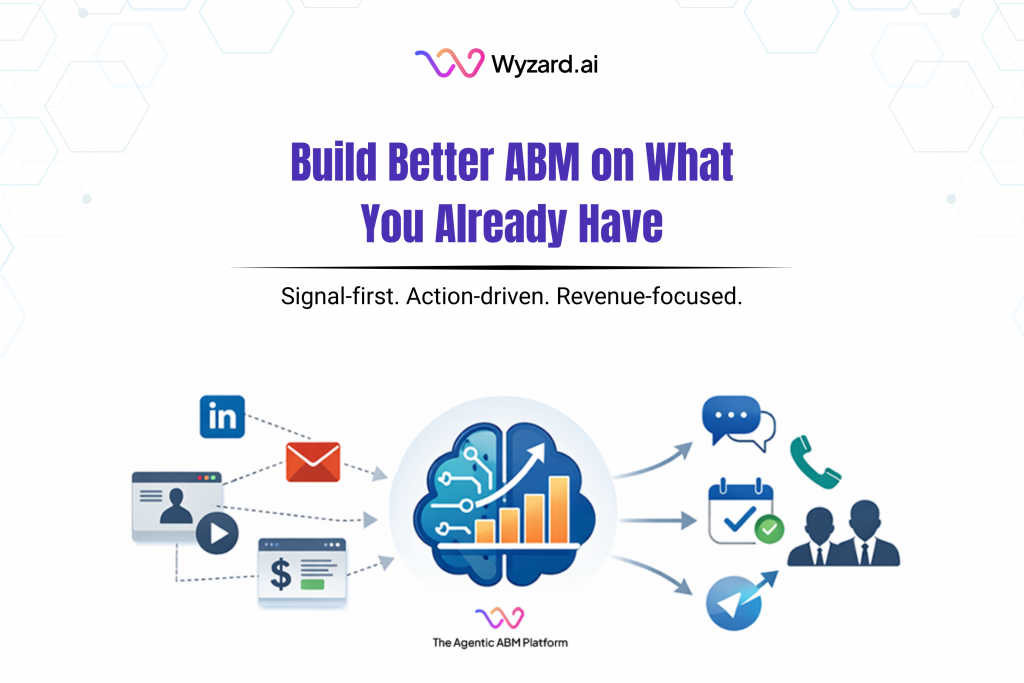
If you are a CMO, this situation feels familiar. Your team has a CRM, marketing automation, paid campaigns, webinars, ...
Subscribe Now
Buyer Journey: Your Complete Guide to Understanding Customer Purchase Paths
The buyer journey maps how potential customers move from discovering a problem to choosing your solution. It captures every touchpoint, question, and decision point that shapes whether someone becomes your customer, and it’s the foundation of effective revenue growth.
For B2B SaaS teams, understanding this journey means knowing exactly when prospects need your help, what information moves them forward, and how to turn interest into action before competitors do.
What Is the Buyer Journey?
The buyer journey describes the complete path someone takes before purchasing. It starts when they recognize a challenge and continues through research, evaluation, and final selection.
Think of it as the customer’s perspective on your sales funnel. While you track leads and conversions, buyers are asking questions, comparing options, and deciding if your solution fits their needs. Every interaction, from reading a blog post to attending a demo, shapes their confidence in moving forward.
This journey varies dramatically between B2B and B2C contexts. B2B buyers face longer cycles with multiple stakeholders, budget approvals, and ROI calculations. B2C buyers move faster, driven by personal needs and emotional factors. Both require different content, timing, and engagement strategies.
The Three Core Stages
Awareness Stage: Identifying the Problem
Buyers realize something isn’t working. Maybe their current process is too slow, their tools don’t connect, or they’re missing revenue opportunities. They’re researching symptoms, not solutions.
What question can help define your awareness stage? Ask: “How do buyers describe their challenge before they know what category of solution exists?” This reveals the language they use, the pain points they prioritize, and the misconceptions you’ll need to address.
Consideration Stage: Exploring Approaches
Now buyers have named their problem, and they’re evaluating different ways to solve it. They’re comparing methodologies, reading case studies, and determining which approach fits their situation best.
What question can help define your consideration stage? Ask: “What criteria do buyers use to evaluate different solution categories, and how do they weigh trade-offs between approaches?” This shows you exactly how they distinguish between options and what information accelerates their decision.
Decision Stage: Selecting a Provider
Buyers have chosen their approach, and now they’re comparing specific vendors. They’re checking pricing, reading reviews, requesting demos, and building internal business cases for their final choice.
Why This Matters for Revenue Teams
Understanding the buyer journey transforms how you capture and convert demand. When you know what buyers need at each stage, you stop wasting time on generic outreach and start delivering value exactly when it matters.
GTM teams use journey insights to prioritize high-intent signals over vanity metrics. Instead of chasing every lead, they focus on prospects showing genuine buying behavior, the ones researching solutions, comparing vendors, or engaging with decision-stage content.
| Journey Stage | Buyer Focus | Revenue Team Action |
| Awareness | Understanding the problem | Educate with thought leadership |
| Consideration | Evaluating approaches | Demonstrate a unique methodology |
| Decision | Comparing vendors | Address objections, prove ROI |
Capturing Buying Signals Across the Journey
Modern buyers leave signals everywhere: website visits, content downloads, email engagement, and product page views. The challenge isn’t finding these signals; it’s acting on them fast enough to matter.
When someone shows high-intent behavior, delayed responses kill opportunities. By the time manual follow-ups happen, buyers have already moved to competitors who responded faster. Wyzard.ai solves this by detecting these signals in real-time and orchestrating immediate responses through Agentic Chat, Agentic Email, and Agentic LinkedIn, ensuring no buying moment goes unnoticed.
This approach works because it aligns with how buyers actually move through their journey. They don’t wait for your sales team’s schedule. They research when it’s convenient for them, and they expect answers immediately.
Making the Journey Work for Your Business
Map your buyer journey by interviewing recent customers. Ask what triggered their search, what information helped them decide, and what nearly stopped them from buying. These insights reveal gaps in your current approach.
Then audit your content against each stage. Do you have educational resources for awareness-stage prospects? Comparison guides for consideration? ROI calculators and case studies for decision-makers? Most teams over-invest in decision content while leaving earlier stages underserved.
The buyer journey isn’t just marketing theory; it’s how revenue happens. When you understand where prospects are and what they need next, you can guide them forward instead of hoping they figure it out alone.
Other blogs
The latest industry news, interviews, technologies, and resources.
March 30, 2026
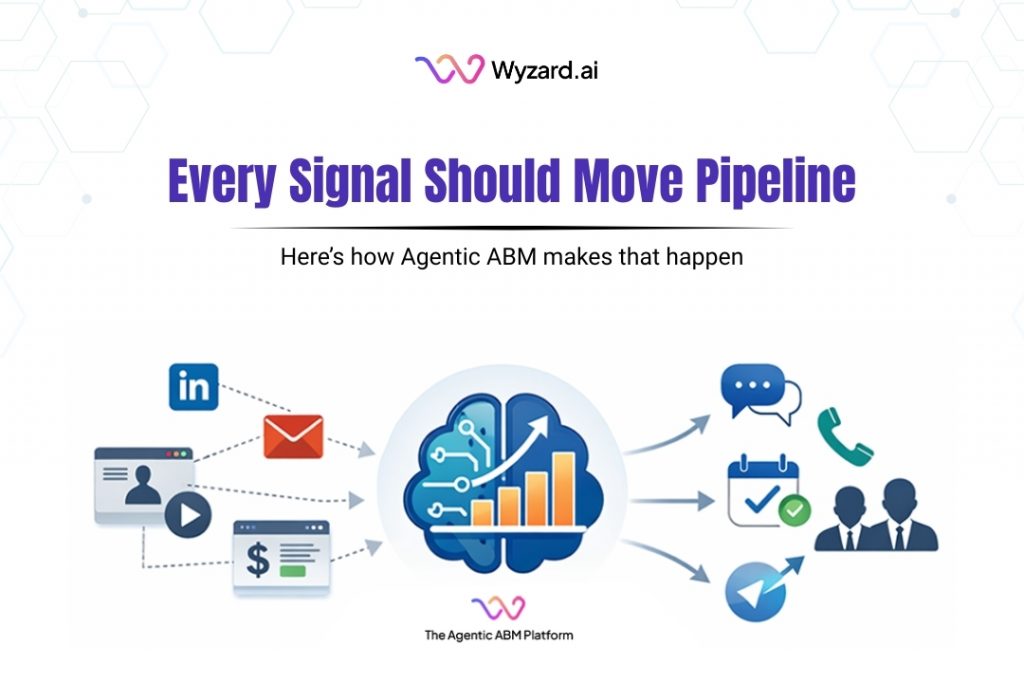
The Signal-to-Revenue Blueprint for Agentic ABM
A CMO reviews the weekly dashboard and sees strong activity. A target account clicked a LinkedIn ad. Another stakeholder ...

March 27, 2026
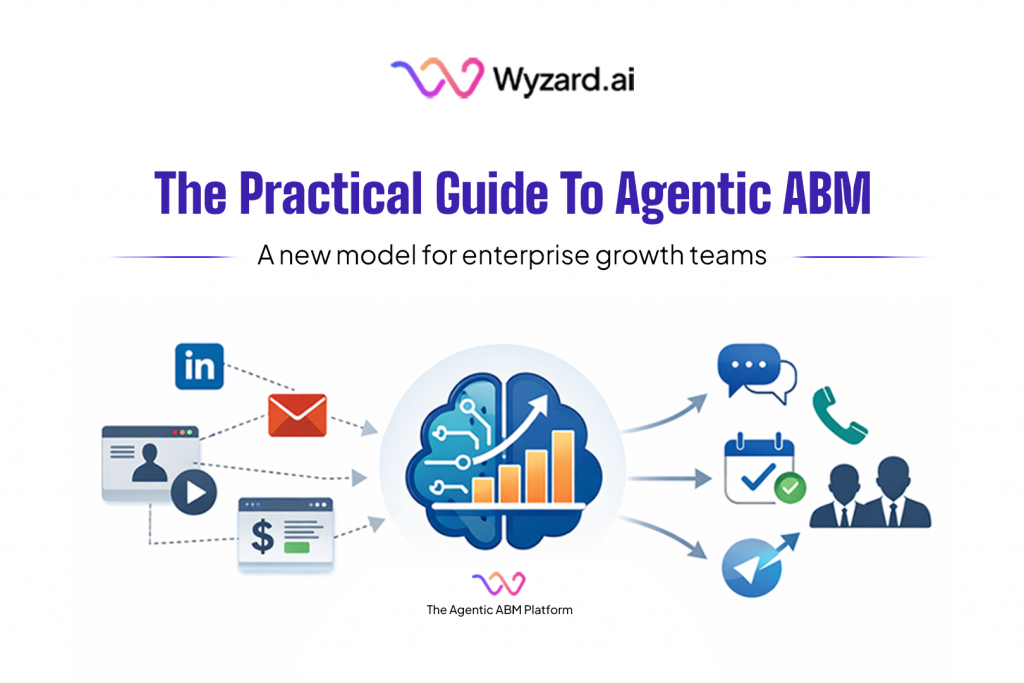
What Is Agentic ABM? A Practical Guide for Enterprise GTM Teams
Enterprise GTM has an action gap. If you are a CMO, this scene is familiar. A target account clicks ...
