 We’ve secured funding to power Signal-to-Revenue AI to GTM teams globally. →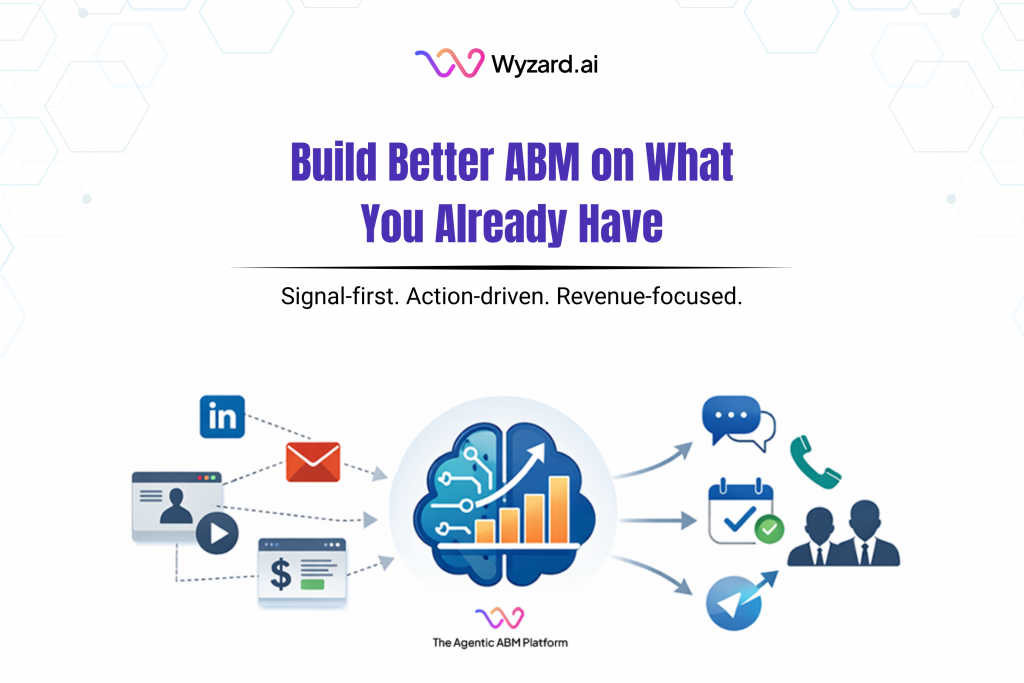
If you are a CMO, this situation feels familiar. Your team has a CRM, marketing automation, paid campaigns, webinars, ...
Subscribe Now
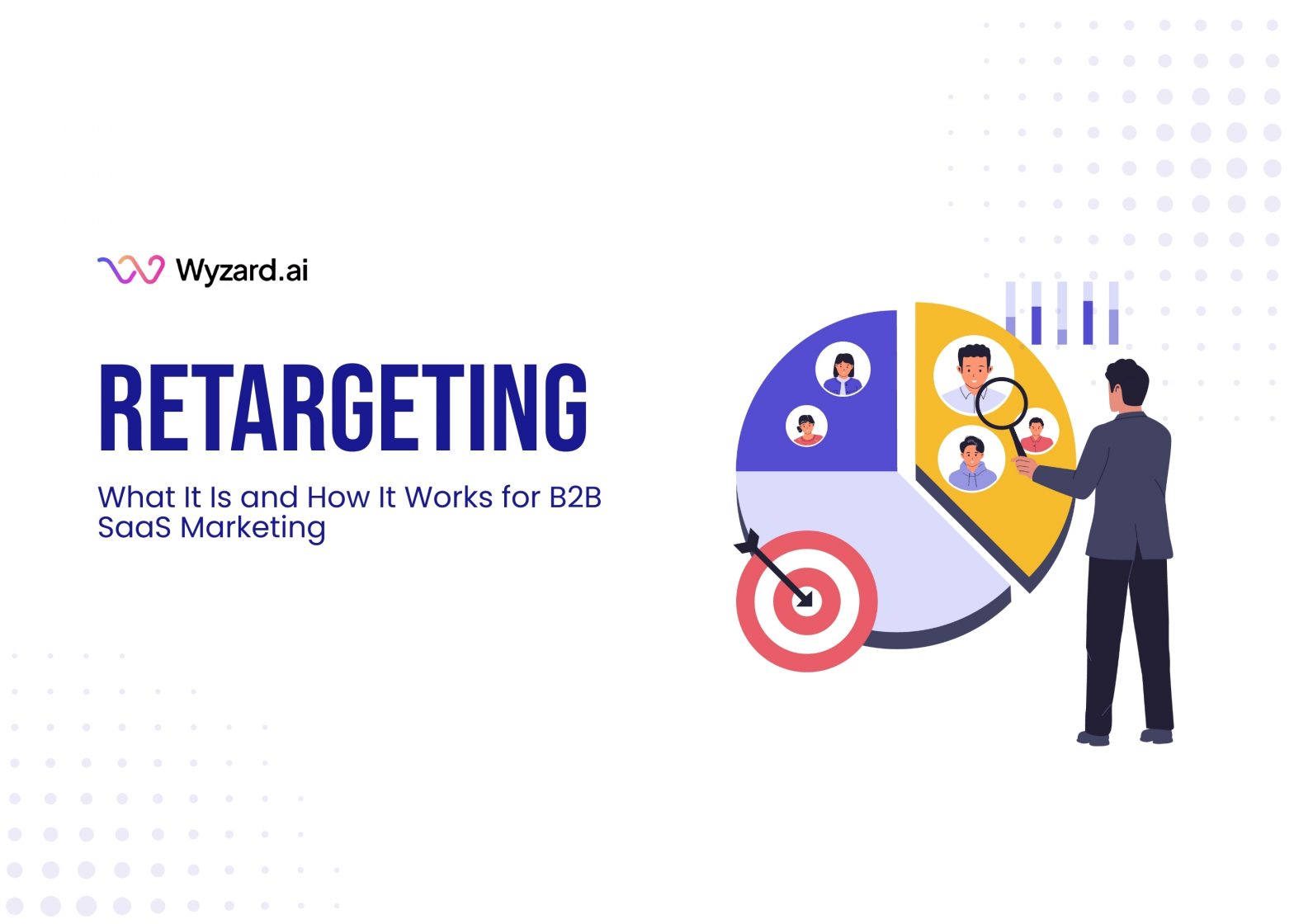
Retargeting: What It Is and How It Works for B2B SaaS Marketing
Retargeting is a digital advertising strategy that displays personalized ads to users who previously visited your website or engaged with your content but left without converting. Think of it as a gentle reminder system, when someone checks out your pricing page or downloads a whitepaper, retargeting lets you show them relevant ads as they browse other websites, keeping your solution visible during their decision-making process.
For B2B SaaS companies, this approach addresses a fundamental challenge: prospects rarely convert on their first visit. They’re comparing solutions, consulting stakeholders, and managing budget approvals. Retargeting ensures your brand stays present throughout this journey, nudging interested visitors back when they’re ready to move forward.
How Retargeting Works
The mechanics are straightforward but powerful. When someone visits your website, a small piece of code (called a tracking pixel) places a browser cookie on their device. This cookie doesn’t capture personal information like names or email addresses; it simply tracks which pages they viewed and what actions they took.
You then create audience segments based on these behaviors. Someone who visited your integrations page gets different messaging than someone who abandoned a trial signup form. Using platforms like Google Ads or LinkedIn, you display targeted ads to these segmented audiences as they browse other sites.
The real value emerges in the personalization. A visitor who explored your enterprise features sees ads highlighting those capabilities, while someone who downloaded a getting-started guide might see testimonials from similar companies or an invitation to schedule a demo.
Retargeting Strategies for SaaS Teams
Segment by funnel stage. Early-stage visitors benefit from educational content, case studies, comparison guides, or webinar invitations. Bottom-funnel visitors who’ve explored pricing or requested information respond better to direct offers like extended trials or consultation bookings.
Match messaging to behavior. If someone watched a product demo but didn’t sign up, show them customer success stories addressing common objections. If they started a trial but haven’t activated key features, highlight quick-start guides or setup assistance.
Use multiple channels strategically. LinkedIn works exceptionally well for reaching decision-makers during business hours, while Google Display Network captures prospects during research sessions across various sites.
Does Retargeting Still Work?
Yes, particularly for B2B SaaS with complex sales cycles. The shift away from third-party cookies has changed implementation methods, but retargeting remains effective when built on first-party data, information collected directly from your website visitors.
The key is providing value, not just repetition. Frequency capping prevents ad fatigue by limiting how often someone sees your ads. Rotating creative keeps messaging fresh. And mixing direct response ads with genuinely helpful content builds trust rather than annoyance.
Modern retargeting succeeds by recognizing that B2B buyers need time and information. Your goal isn’t to pressure immediate conversion but to stay relevant and helpful as prospects move through their evaluation process at their own pace.
FAQs
What’s the difference between retargeting and remarketing?
The terms are often used interchangeably, though some marketers distinguish them by channel. Retargeting typically refers to display ads, while remarketing often describes email campaigns to existing contacts.
How long should retargeting campaigns run?
For B2B SaaS, 30-90 days works well for most segments. Trial users might need shorter windows (14-30 days), while early-stage researchers benefit from longer nurture periods.
Can retargeting work without cookies?
Yes. First-party data collection, authenticated user tracking, and platform-native audiences (like LinkedIn Matched Audiences or Google Customer Match) provide cookie-independent retargeting options that respect privacy regulations.
How do I avoid annoying prospects with too many ads?
Set frequency caps (typically 3-4 impressions per week), exclude users who’ve already converted, and provide clear value in every ad rather than generic “come back” messages.
Other blogs
The latest industry news, interviews, technologies, and resources.
March 30, 2026
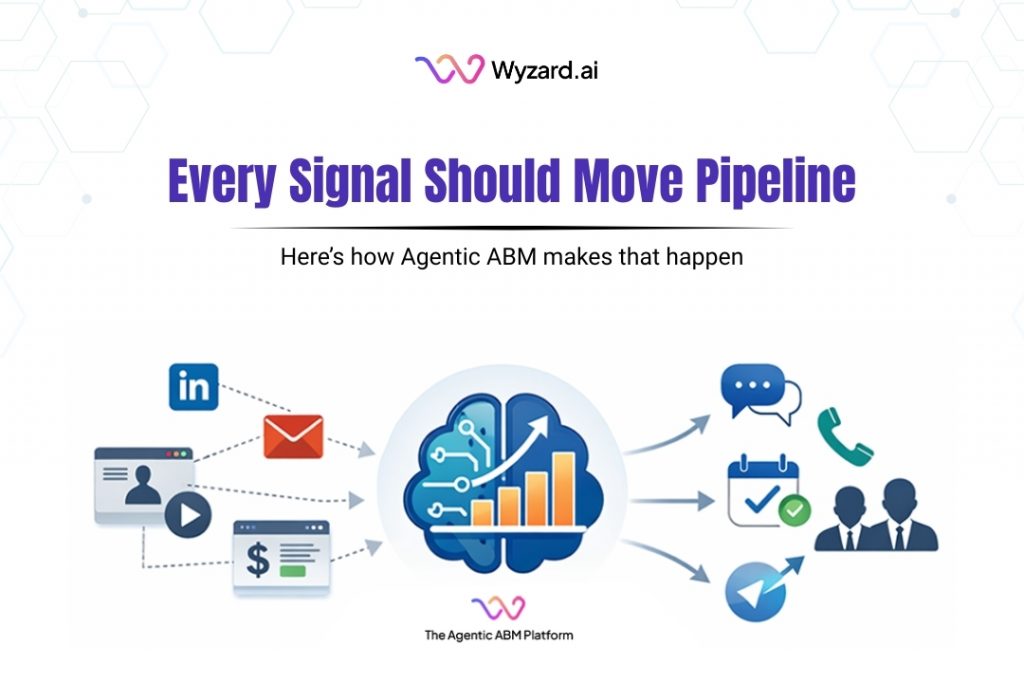
The Signal-to-Revenue Blueprint for Agentic ABM
A CMO reviews the weekly dashboard and sees strong activity. A target account clicked a LinkedIn ad. Another stakeholder ...

March 27, 2026
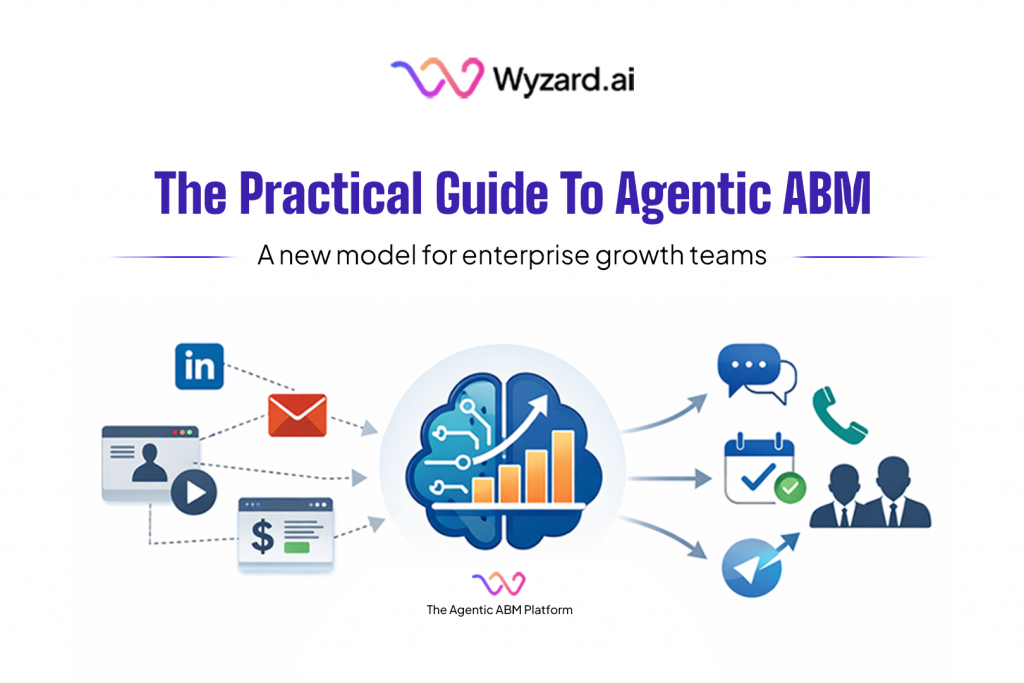
What Is Agentic ABM? A Practical Guide for Enterprise GTM Teams
Enterprise GTM has an action gap. If you are a CMO, this scene is familiar. A target account clicks ...
