 We’ve secured funding to power Signal-to-Revenue AI to GTM teams globally. →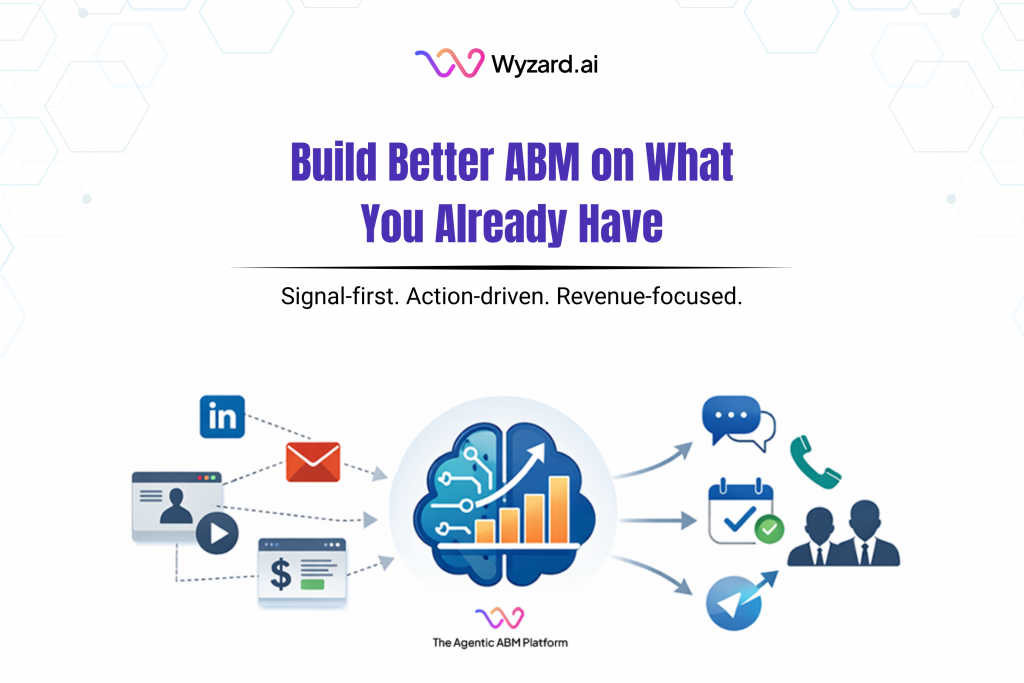
If you are a CMO, this situation feels familiar. Your team has a CRM, marketing automation, paid campaigns, webinars, ...
Subscribe Now
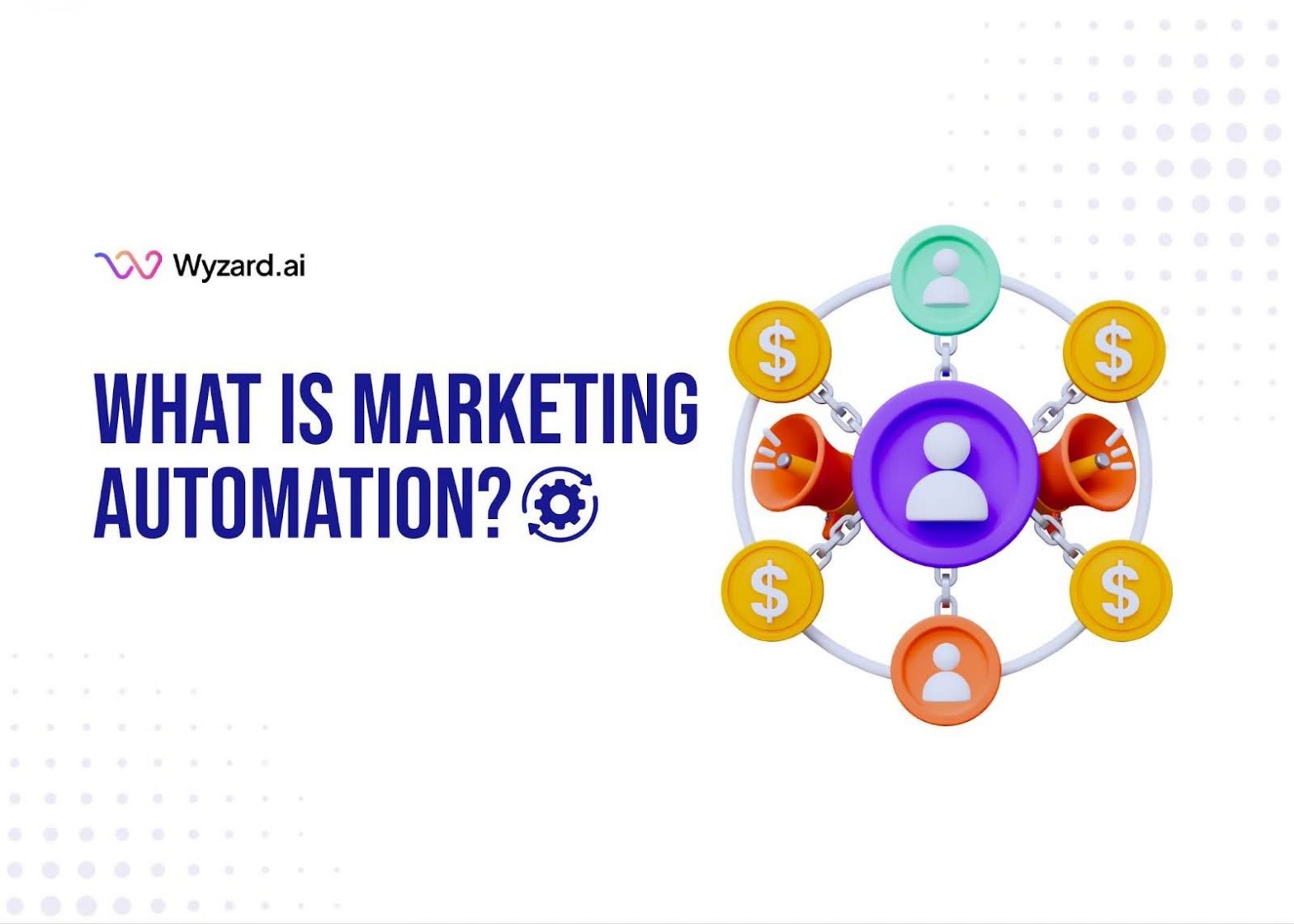
What is Marketing Automation?
Marketing automation is software that handles repetitive marketing tasks automatically. It sends emails, tracks website visitors, scores leads, and manages campaigns across multiple channels without manual work. When someone downloads your whitepaper or visits your pricing page, the system triggers personalized responses instantly.
This technology connects your marketing activities into one coordinated system. Instead of manually sending follow-up emails or tracking customer behavior in spreadsheets, automation platforms execute these tasks based on customer actions and predefined rules.
Importance of Marketing Automation
GTM teams face a critical challenge: buyer signals get lost in disconnected tools. A prospect visits your site at 2 PM, downloads content at 3 PM, but your follow-up doesn’t happen until tomorrow. By then, they’ve moved on.
Marketing automation solves three core problems. First, it eliminates time-consuming manual work so your team focuses on strategy. Second, it responds to buyer interest immediately, not hours later. Third, it tracks every interaction to show what actually drives revenue.
Revenue teams need speed and accuracy. Automation delivers both by capturing intent signals and triggering responses while prospects are still engaged. This turns fleeting interest into a qualified pipeline.
How Marketing Automation Works
Marketing automation operates through workflow triggers and conditional logic. When a visitor takes a specific action, the system executes a predetermined response.
A basic workflow might look like this: Prospect fills out form → System sends welcome email → Three days later, sends educational content → If they click the link, alert sales team → If no click, send different content. Each step happens automatically based on behavior.
The platform tracks engagement across channels: email opens, website visits, content downloads, social media interactions. This data feeds into lead scoring models that rank prospects by their likelihood to buy. High-scoring leads get routed to sales, while others receive additional nurturing.
Advanced systems integrate with your CRM, analytics tools, and advertising platforms to create a complete view of each prospect’s journey.
Marketing Automation in Business
B2B companies use marketing automation differently from B2C businesses, though both benefit from the efficiency gains.
B2B Applications:
- Lead nurturing through educational email sequences
- Account-based marketing campaigns targeting specific companies
- Event follow-up workflows for webinar attendees
- Sales team alerts when prospects visit pricing pages
- Multi-touch attribution reporting across long sales cycles
B2C Applications:
- Cart abandonment reminders for e-commerce
- Personalized product recommendations based on browsing history
- Birthday or anniversary promotional campaigns
- Re-engagement campaigns for inactive customers
- SMS marketing for time-sensitive offers
SaaS companies specifically benefit from automation that bridges marketing and product usage data. When a trial user hits certain milestones, automation can trigger upgrade prompts or success resources.
Benefits of Marketing Automation
Faster Response Times: Prospects receive relevant information within seconds of showing interest, not hours or days later. This timing dramatically improves conversion rates.
Consistent Follow-Through: Every lead gets attention. Manual follow-up fails when teams get busy; automation ensures no prospect falls through the cracks.
Better Lead Qualification: Behavioral scoring reveals who’s actively researching solutions versus casual browsers. Your sales team wastes less time on unqualified leads.
Personalization at Scale: You can deliver customized experiences to thousands of prospects simultaneously. Each person receives content matched to their industry, role, and stage in the buying journey.
Data-Driven Decisions: Clear reporting shows which campaigns generate pipeline and revenue. You can confidently invest in what works and cut what doesn’t.
Resource Efficiency: Small teams accomplish what previously required a much larger headcount. Marketing automation handles routine tasks while your team focuses on strategy and creative work.
Features of Marketing Automation
| Feature | What It Does | Business Impact |
| Email Campaign Management | Creates, sends, and tracks automated email sequences | Maintains consistent communication without manual effort |
| Lead Scoring | Assigns point values based on engagement and fit | Prioritizes sales efforts on the highest-intent prospects |
| Behavioral Tracking | Monitors website visits, content downloads, and email clicks | Reveals buying signals before prospects explicitly reach out |
| Multi-Channel Orchestration | Coordinates messaging across email, web, social, and SMS | Creates cohesive experiences regardless of channel |
| Landing Page Builder | Designs and tests conversion-optimized pages | Captures prospect information efficiently |
| CRM Integration | Syncs lead data and activity between systems | Ensures marketing and sales work from the same information |
| Analytics & Reporting | Measures campaign performance and ROI | Proves marketing’s revenue contribution |
| Segmentation | Groups prospects by behavior, demographics, or engagement | Delivers relevant content to specific audiences |
Types of Marketing Automation
Email Marketing Automation: The foundation of most automation strategies. Triggered emails respond to specific actions like form submissions, purchases, or cart abandonment. Drip campaigns nurture leads over time with educational content.
Social Media Automation: Schedules posts, tracks engagement, and identifies prospects discussing relevant topics. Some platforms can trigger social responses based on keyword mentions.
Lead Management Automation: Captures leads from multiple sources, enriches their data, scores them based on behavior, and routes qualified prospects to appropriate sales reps.
Campaign Automation: Manages complex, multi-channel campaigns from a single dashboard. Adjusts messaging based on prospect responses and automatically optimizes delivery timing.
Customer Retention Automation: Focuses on existing customers with renewal reminders, upsell opportunities, satisfaction surveys, and educational content that drives product adoption.
Analytics Automation: Generates regular reports on campaign performance, pipeline contribution, and ROI without manual data compilation.
Challenges of Marketing Automation
Marketing automation isn’t plug-and-play. Implementation requires careful planning and ongoing optimization.
- Setup Complexity: Building effective workflows takes time. You need to map customer journeys, create content for each stage, and configure triggers correctly. Rushed implementations often create more problems than they solve.
- Data Quality Issues: Automation amplifies whatever data you feed it. Incomplete contact records, duplicate entries, and outdated information lead to poor targeting and wasted effort. Clean data management becomes critical.
- Over-Automation Risk: Prospects notice when interactions feel robotic. The goal is personalized efficiency, not impersonal spam. Balance automation with genuine human engagement, especially for high-value accounts.
- Integration Limitations: Not all tools connect seamlessly. Data might not sync properly between your automation platform and CRM, creating gaps in the customer view.
- Content Demands: Effective automation requires substantial content: emails, landing pages, case studies,and guides. Creating this library demands significant upfront investment.
- The Timing Gap: Traditional automation platforms operate on schedules or batch processes. A prospect shows interest, but your response arrives hours later when they’ve already engaged with faster competitors.
Wyzard.ai addresses this final challenge directly. By capturing buyer signals in real-time and orchestrating immediate responses across your existing marketing tools, Wyzard.ai ensures every buying moment gets instant attention. When high-intent prospects engage with your content or visit key pages, Wyzard.ai triggers personalized conversations through web chat, email, or your preferred channel within seconds, not hours.
This orchestration layer connects your automation platform with the rest of your tech stack, turning scattered buyer signals into coordinated revenue actions. You get the efficiency of automation with the responsiveness of a dedicated team monitoring every interaction.
Other blogs
The latest industry news, interviews, technologies, and resources.
March 30, 2026
The Signal-to-Revenue Blueprint for Agentic ABM
A CMO reviews the weekly dashboard and sees strong activity. A target account clicked a LinkedIn ad. Another stakeholder ...

March 27, 2026
What Is Agentic ABM? A Practical Guide for Enterprise GTM Teams
Enterprise GTM has an action gap. If you are a CMO, this scene is familiar. A target account clicks ...
