 We’ve secured funding to power Signal-to-Revenue AI to GTM teams globally. →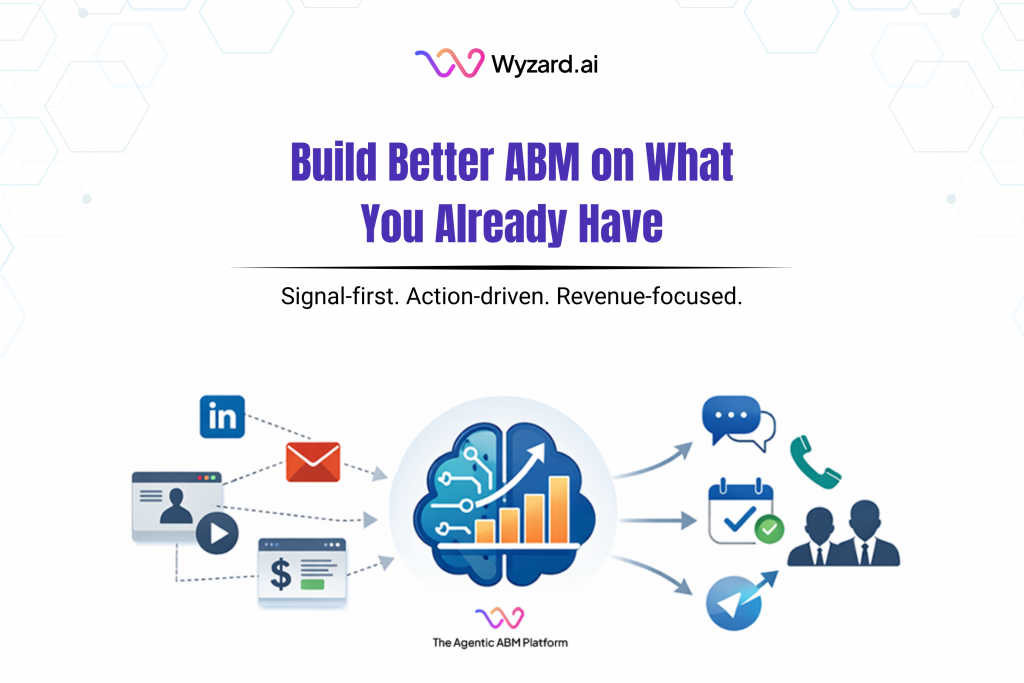
If you are a CMO, this situation feels familiar. Your team has a CRM, marketing automation, paid campaigns, webinars, ...
Subscribe Now
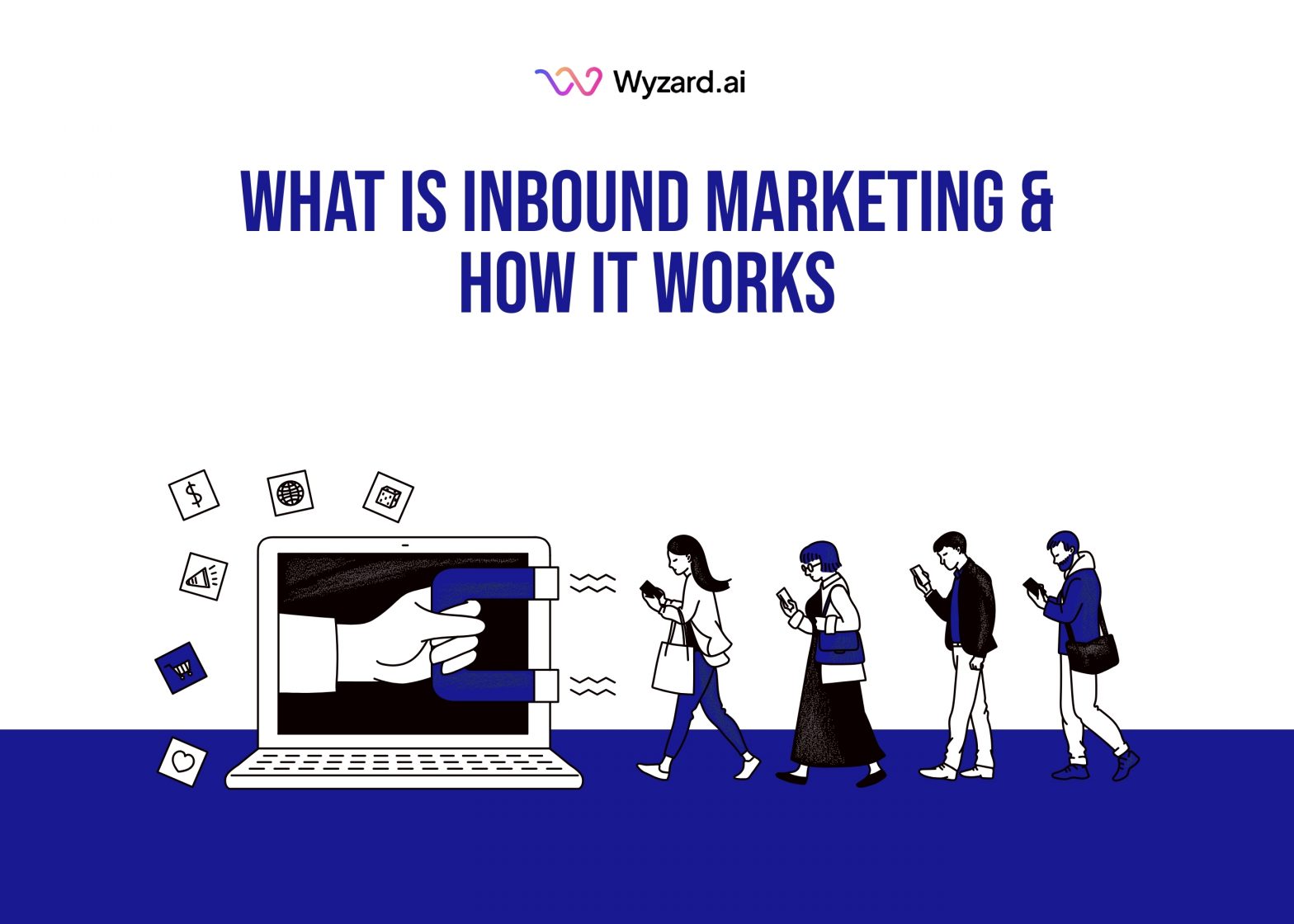
What is Inbound Marketing
Inbound marketing is a customer-focused approach that attracts potential buyers by creating valuable content and experiences tailored to their specific needs, rather than interrupting them with traditional advertising methods.
This methodology transforms how businesses connect with their audience. Instead of pushing messages through cold calls or mass email blasts, companies pull customers in by being genuinely helpful. When someone searches for solutions to their problems, your content appears as the answer they’re looking for, building trust from the very first interaction.
How Inbound Marketing Works
The methodology operates in distinct phases that guide prospects from discovery to decision. First, optimize your website and content for search engines so prospects can find you organically. Build thought leadership through consistent publishing on topics your audience cares about.
Capture visitor information through valuable content offers like comprehensive guides, templates, or tools that solve immediate problems. Nurture these leads through targeted email sequences that educate rather than sell. Use marketing automation to deliver the right message at the right moment based on behavior and engagement patterns.
Throughout this process, track meaningful metrics like organic traffic growth, content engagement rates, lead conversion percentages, and revenue influenced by marketing efforts. This data-driven approach allows continuous refinement of your strategy.
Core Principles of Inbound Marketing
Attraction through value. The foundation starts with understanding what questions your ideal customers are asking. Create blog posts, guides, videos, and resources that genuinely answer these questions. When someone searches “how to automate lead qualification” or “improving pipeline efficiency,” your content should provide actionable insights, not just a sales pitch.
Engagement through relevance. Once visitors arrive, engage them with experiences that match their specific stage in the buying journey. Early-stage researchers need educational content. Late-stage evaluators want detailed comparisons, case studies, and implementation guidance. Personalization at scale separates effective strategies from generic ones.
Delight through ongoing support. The relationship doesn’t end at purchase. Continue providing value through onboarding resources, product education, community building, and proactive customer success initiatives. Satisfied customers become advocates who naturally promote your solution.
Why Inbound Marketing Is Important
For growing companies, this approach solves a critical challenge: turning website visitors into qualified leads without dramatically increasing headcount or ad spend. Traditional marketing tactics become increasingly expensive as competition intensifies, while the ROI of helpful content compounds over time.
The real power lies in timing. When prospects discover your business while actively searching for solutions, they’re already problem-aware and solution-seeking. This creates significantly higher conversion potential compared to interrupting someone who wasn’t thinking about your category at all.
The methodology also aligns perfectly with modern buyer behavior. Decision-makers research independently before engaging with sales teams. They read reviews, compare alternatives, and seek peer recommendations. By being present throughout this research phase with helpful content, you build the credibility that influences final decisions.
Benefits of Inbound Marketing
| Benefit | Impact | Why It Matters |
| Lower Customer Acquisition Cost | Organic content costs less than paid ads over time | Sustainable growth without proportional budget increases |
| Higher Quality Leads | Attracts prospects actively seeking solutions | Better conversion rates and shorter sales cycles |
| Compounding Returns | Content continues attracting visitors for months or years | Each piece becomes a permanent revenue-generating asset |
| Better Customer Relationships | Educational approach builds trust before sales conversations | Prospects view you as a trusted advisor, not just a vendor |
| Measurable Results | Track every touchpoint from first visit to closed deal | Data-driven decisions improve performance continuously |
What makes this approach particularly powerful for B2B companies is its compounding returns. A single well-crafted piece of content can attract qualified visitors for months or years. Each blog post, guide, or resource becomes a permanent asset working continuously to bring in potential customers.
For companies using signal-based platforms like Wyzard.ai, this strategy becomes even more effective. When your content attracts the right visitors, Wyzard.ai’s Buyer Signal Intelligence captures their behavior in real-time, identifying which prospects are actively evaluating solutions. This combination of attracting quality traffic through helpful content and intelligently acting on buying signals creates a powerful revenue engine.
Challenges of Inbound Marketing
The approach requires patience and consistency. Unlike paid advertising that generates immediate traffic, content marketing takes time to build momentum. You need to publish regularly, optimize continuously, and wait for search engines to recognize your authority.
Creating truly valuable content demands significant effort. Surface-level blog posts won’t cut through the noise. You need deep insights, original research, and actionable advice that genuinely help your audience solve problems. This requires subject matter expertise and dedicated resources.
Competition for attention has intensified. Every company in your space is likely publishing content too. Standing out requires finding unique angles, addressing underserved topics, and consistently delivering higher quality than alternatives. The bar for “good enough” keeps rising.
Frequently Asked Questions
What is the main goal of inbound marketing?
The main goal is to attract potential customers by providing valuable content that addresses their specific needs and problems, building trust and credibility before any sales conversation begins. This approach turns your business into a helpful resource rather than just another vendor.
How long does inbound marketing take to show results?
Most businesses see meaningful traffic growth within 3-6 months of consistent content creation, though significant lead generation typically takes 6-12 months. The timeline depends on your industry competition, content quality, publishing frequency, and existing domain authority.
What is the difference between inbound and outbound marketing?
Inbound marketing attracts customers by creating helpful content they discover when searching for solutions. Outbound marketing interrupts potential customers with ads, cold calls, or mass emails regardless of their current interest level. Inbound pulls people in; outbound pushes messages out.
What are the key components of an inbound marketing strategy?
The key components include content creation (blogs, guides, videos), search engine optimization, social media engagement, email nurturing campaigns, landing pages with valuable offers, marketing automation for personalization, and analytics to track performance and refine your approach.
Is inbound marketing only for B2B companies?
No, inbound marketing works for both B2B and B2C companies across industries. Any business whose customers research solutions online before buying can benefit. The specific tactics and content types vary by audience, but the core principle of attracting through value remains the same.
Other blogs
The latest industry news, interviews, technologies, and resources.
March 30, 2026
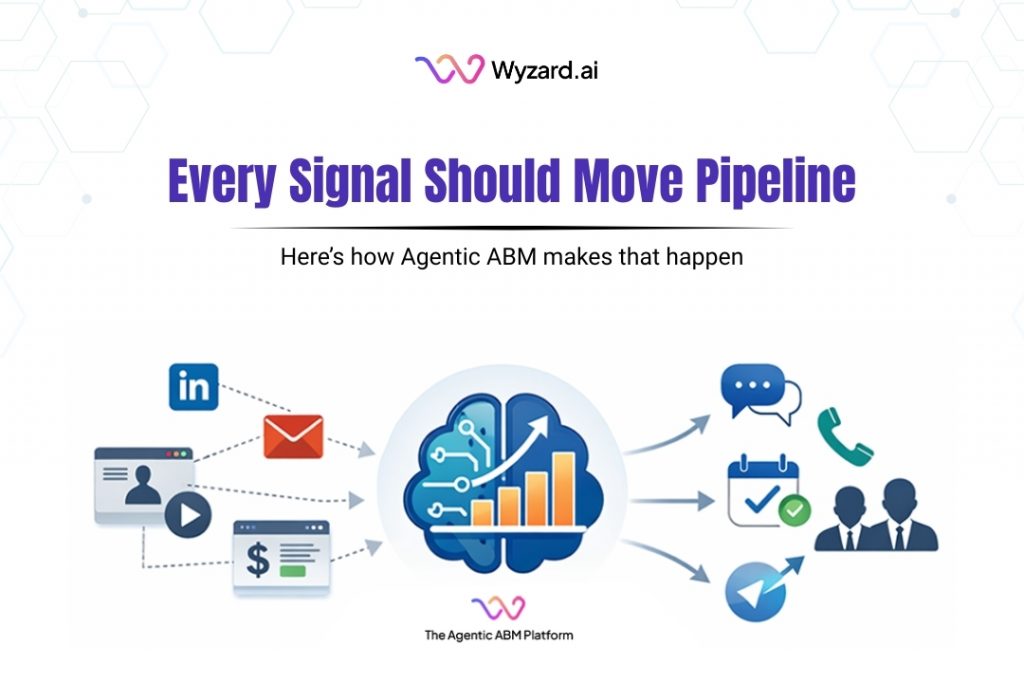
The Signal-to-Revenue Blueprint for Agentic ABM
A CMO reviews the weekly dashboard and sees strong activity. A target account clicked a LinkedIn ad. Another stakeholder ...

March 27, 2026
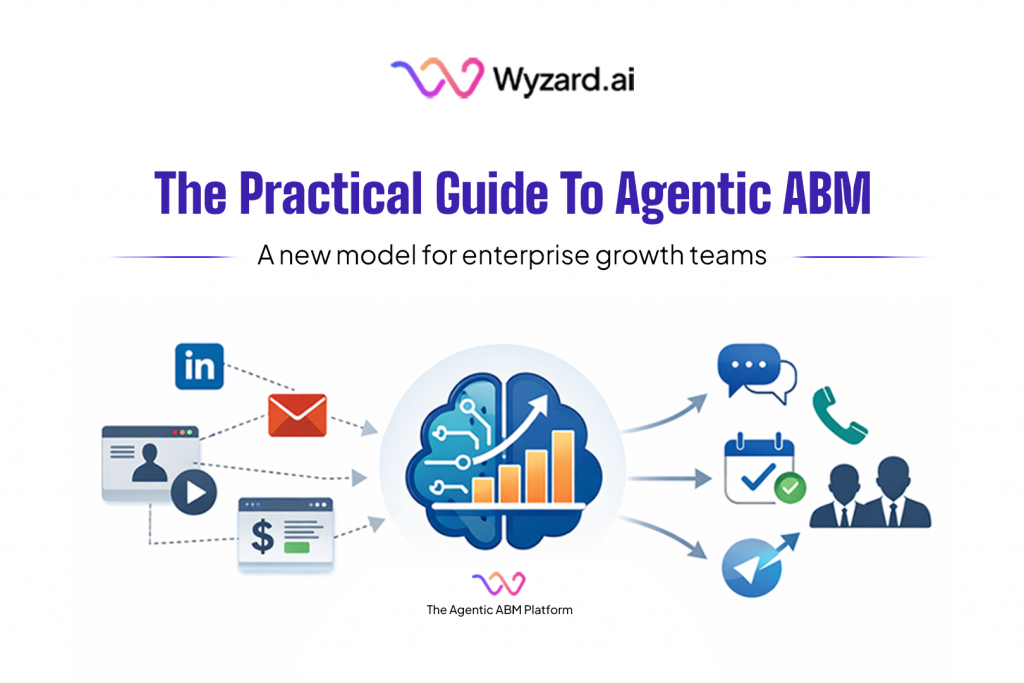
What Is Agentic ABM? A Practical Guide for Enterprise GTM Teams
Enterprise GTM has an action gap. If you are a CMO, this scene is familiar. A target account clicks ...
