 We’ve secured funding to power Signal-to-Revenue AI to GTM teams globally. →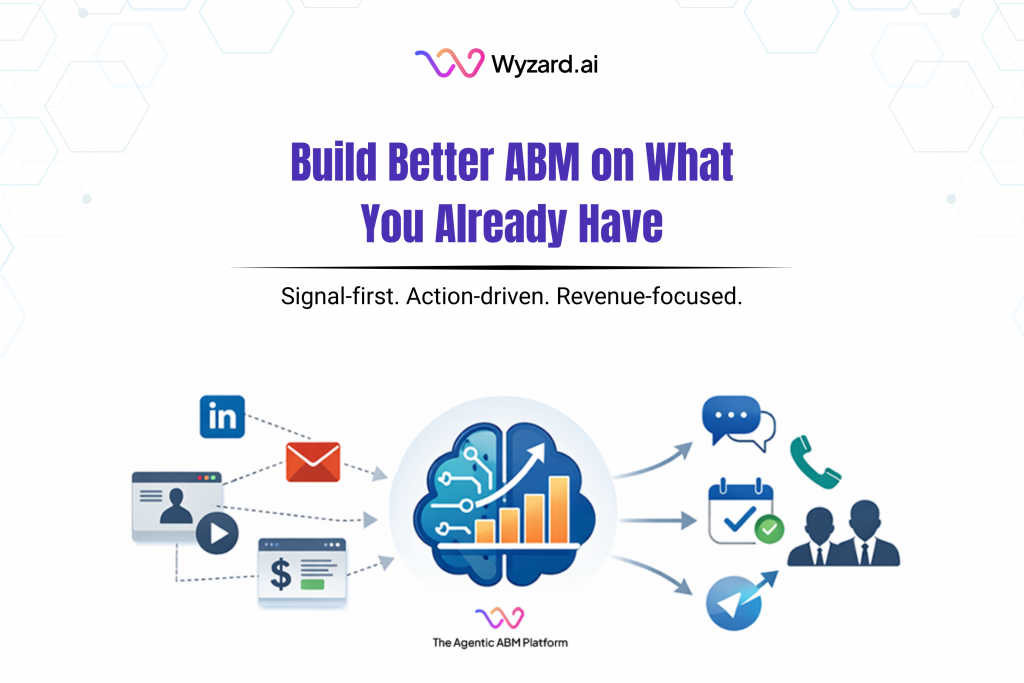
If you are a CMO, this situation feels familiar. Your team has a CRM, marketing automation, paid campaigns, webinars, ...
Subscribe Now
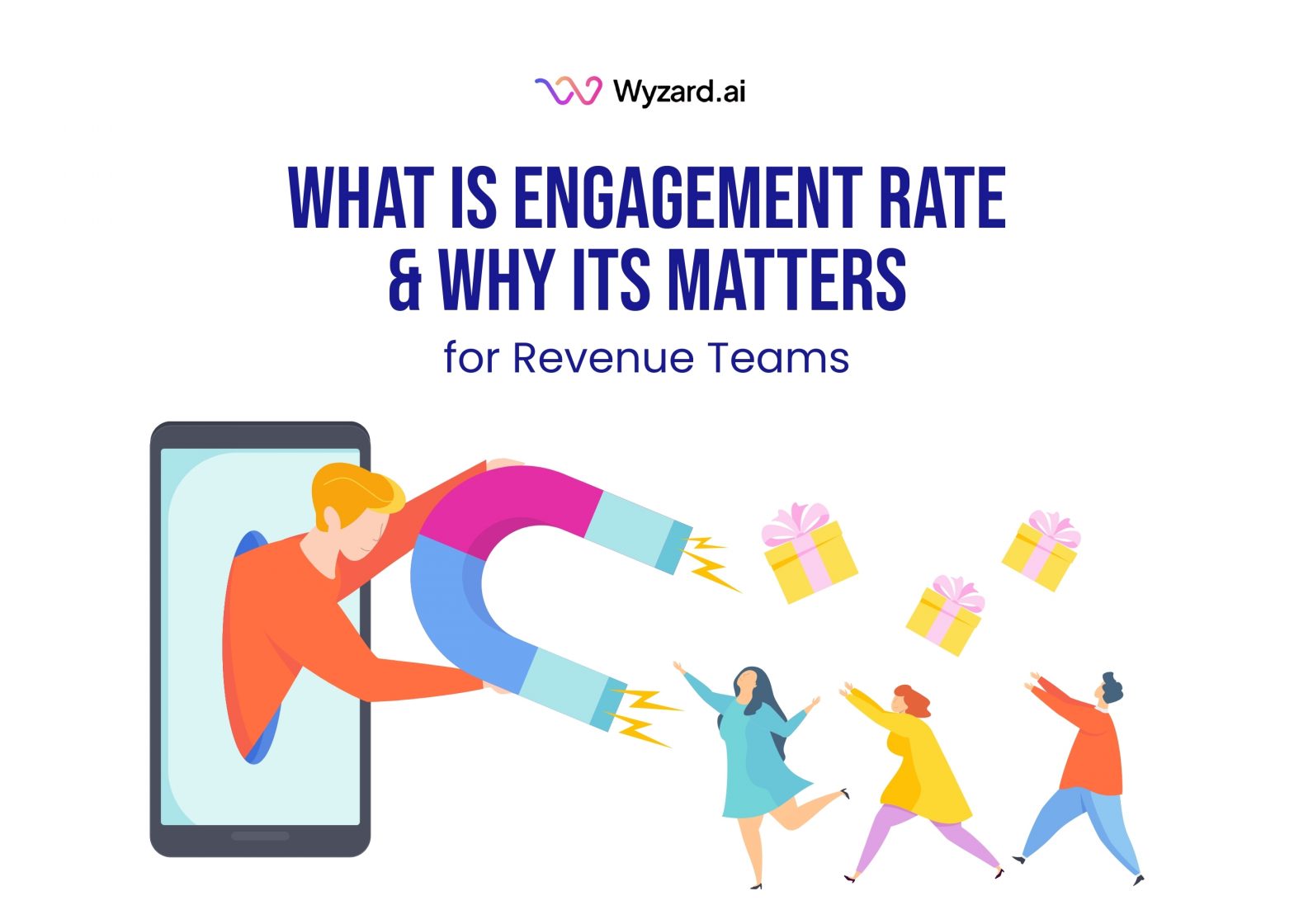
What is Engagement Rate
Engagement rate measures how actively your audience interacts with your content across digital platforms. It captures meaningful actions like likes, comments, shares, clicks, and saves, showing whether your content creates genuine interest or gets ignored.
This metric goes beyond passive viewing to track intentional interaction. When someone comments on your post or clicks your link, they’re investing time and attention, signaling that your content resonated enough to warrant a response.
Why Engagement Rate Is Important
Engagement reveals content effectiveness in ways vanity metrics cannot. A million impressions mean nothing if nobody interacts. High engagement shows your messaging connects with real audience needs and interests.
For B2B companies, engaged audiences become qualified prospects. Someone who repeatedly interacts with your content is displaying buying signals worth capturing. These micro-interactions often precede major decisions like requesting demos or starting trials.
The metric also guides content strategy. When certain topics or formats consistently drive higher engagement, you’ve identified what your market actually cares about. This insight helps marketing teams allocate resources toward content that moves prospects closer to revenue decisions rather than content that simply fills editorial calendars.
How to Calculate Engagement Rate
Start by defining what counts as engagement for your specific platform and goals. Most calculations include likes, comments, shares, and clicks. Some add saves, video views, or story interactions depending on the channel.
Count total engagements for a specific piece of content or time period. Then divide by your reach metric, either total followers, impressions, or unique viewers. Multiply by 100 to get your percentage. If your post received 75 interactions and reached 1,500 people, your engagement rate is 5%.
Consistency matters more than the specific formula. Choose one calculation method and stick with it for accurate trend tracking. Changing your formula makes historical comparisons meaningless.
Engagement Rate Formula
| Formula Type | Calculation | Best Used For |
| By Reach | (Total Engagements / Total Reach) × 100 | Individual post-performance |
| By Followers | (Total Engagements / Total Followers) × 100 | Overall account health |
| By Impressions | (Total Engagements / Total Impressions) × 100 | Paid campaign effectiveness |
The reach-based formula provides the most accurate picture for organic content because it accounts for actual visibility. Not all followers see every post due to algorithm filtering, making follower-based calculations potentially misleading for individual content pieces.
Impression-based formulas work well for paid campaigns where you control distribution. This shows how effectively your creative drives interaction relative to the number of times people saw it.
Types of Engagement Metrics
Different platforms prioritize different interaction types. LinkedIn values comments and shares heavily, treating them as stronger signals than simple likes. Instagram weighs saves and shares more than older platforms because they indicate content worth revisiting or recommending.
Passive engagement includes likes, reactions, and views. These require minimal effort but still show content registered with your audience. Active engagement covers comments, shares, saves, and clicks, indicating deeper interest and higher intent.
For revenue-focused teams, click-through engagement matters most. When prospects click links to your website, download resources, or visit pricing pages, they’re moving from awareness to consideration. Platforms like Wyzard.ai capture these behavioral signals in real-time, connecting engagement actions to pipeline opportunities before the moment passes.
What Is a Good Engagement Rate
Industry benchmarks vary significantly by platform and audience size. Instagram averages 1-3% for most business accounts. LinkedIn typically sees 2-6% for B2B companies. TikTok often reaches 5-15% due to its algorithm favoring content discovery over follower feeds.
Smaller audiences generally achieve higher percentages. An account with 1,000 engaged followers often outperforms one with 50,000 disengaged followers in rate terms. The quality of the audience matters more than the quantity.
Your historical performance provides the most relevant benchmark. A company consistently hitting 3% who drops to 1.5% needs to investigate what changed. Another company improving from 1% to 2% is trending positively regardless of industry averages.
How to Improve Engagement Rate
Create content that solves specific problems your audience faces. Generic posts about your product features generate less interaction than practical insights addressing real challenges. Ask yourself what your prospects struggle with today, then answer that question.
Ask genuine questions that invite response. Posts ending with thought-provoking questions naturally drive comment engagement. Avoid obvious questions with yes/no answers. Instead, ask for experiences, opinions, or approaches your audience has tried.
Respond quickly to comments and interactions. When you engage back, you signal that conversations matter, encouraging more participation. This also keeps your content visible longer as renewed activity triggers algorithmic promotion.
Post when your audience is active. Analytics tools show when your followers are online. Schedule content for these windows to maximize initial engagement, which platforms reward with broader distribution.
Test different content formats systematically. If carousel posts outperform single images, create more carousels. If short-form video drives more interaction than text posts, adjust your content mix accordingly. Let data guide your creative decisions.
Frequently Asked Questions
What engagement rate is considered good?
A good engagement rate depends on your platform and audience size, but generally, 2-5% indicates healthy interaction on most channels. Smaller accounts often see higher percentages, while larger accounts may perform well at 1-3%. Focus on improving your own baseline rather than hitting arbitrary benchmarks.
How do you calculate engagement rate on social media?
Divide total engagements by total reach or followers, then multiply by 100. For example, if your post gets 50 likes, 10 comments, and 5 shares (65 total engagements) with 2,000 reach, your engagement rate is 3.25%. Use the same formula consistently for accurate tracking.
Why is my engagement rate dropping?
Falling engagement rates typically signal content-audience mismatch, algorithm changes, posting frequency issues, or declining content quality. Review which specific content types performed well previously, analyze when engagement started declining, and test new approaches to topics and formats your audience actually cares about.
What counts as engagement on different platforms?
LinkedIn counts reactions, comments, shares, and clicks. Instagram includes likes, comments, saves, shares, and story interactions. Facebook tracks reactions, comments, and shares. YouTube measures likes, comments, watch time, and shares. Each platform weighs these actions differently in their algorithms.
How can I improve my engagement rate quickly?
Start by posting when your audience is most active, respond to every comment within the first hour, ask specific questions that invite responses, and create content addressing real problems your followers face. Test different formats to identify what resonates best, then create more of what drives interaction.
Other blogs
The latest industry news, interviews, technologies, and resources.
March 30, 2026
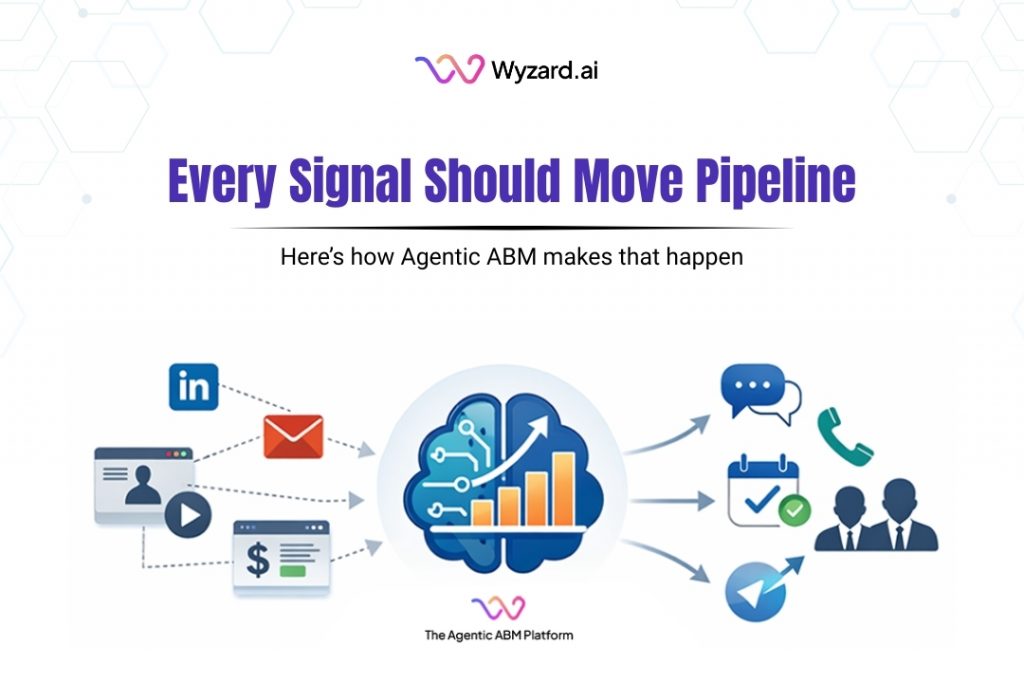
The Signal-to-Revenue Blueprint for Agentic ABM
A CMO reviews the weekly dashboard and sees strong activity. A target account clicked a LinkedIn ad. Another stakeholder ...

March 27, 2026
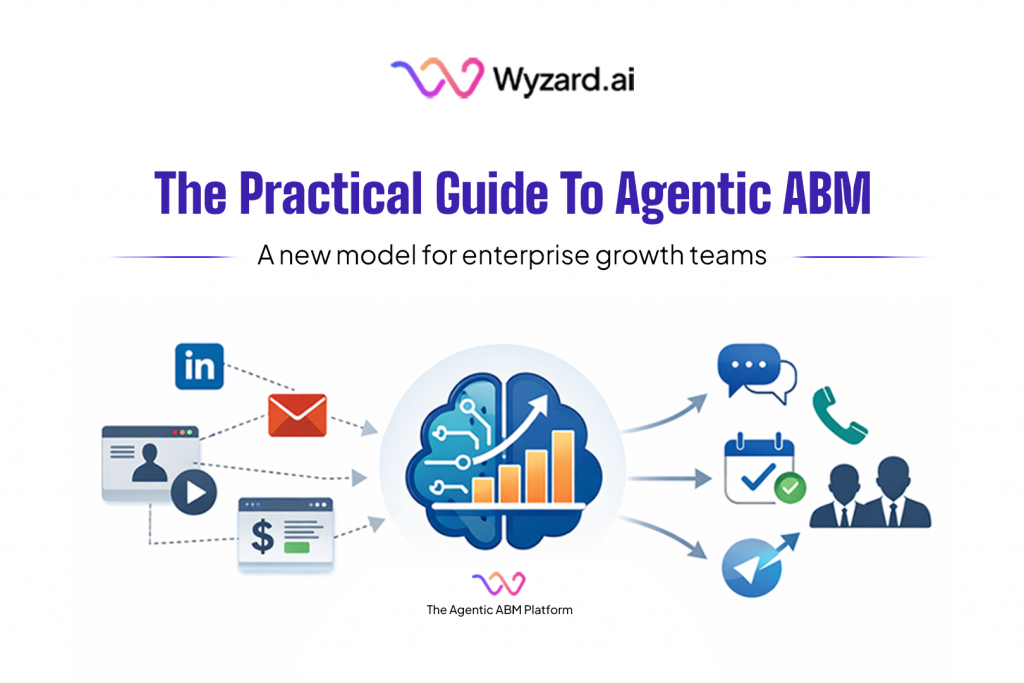
What Is Agentic ABM? A Practical Guide for Enterprise GTM Teams
Enterprise GTM has an action gap. If you are a CMO, this scene is familiar. A target account clicks ...
