 We’ve secured funding to power Signal-to-Revenue AI to GTM teams globally. →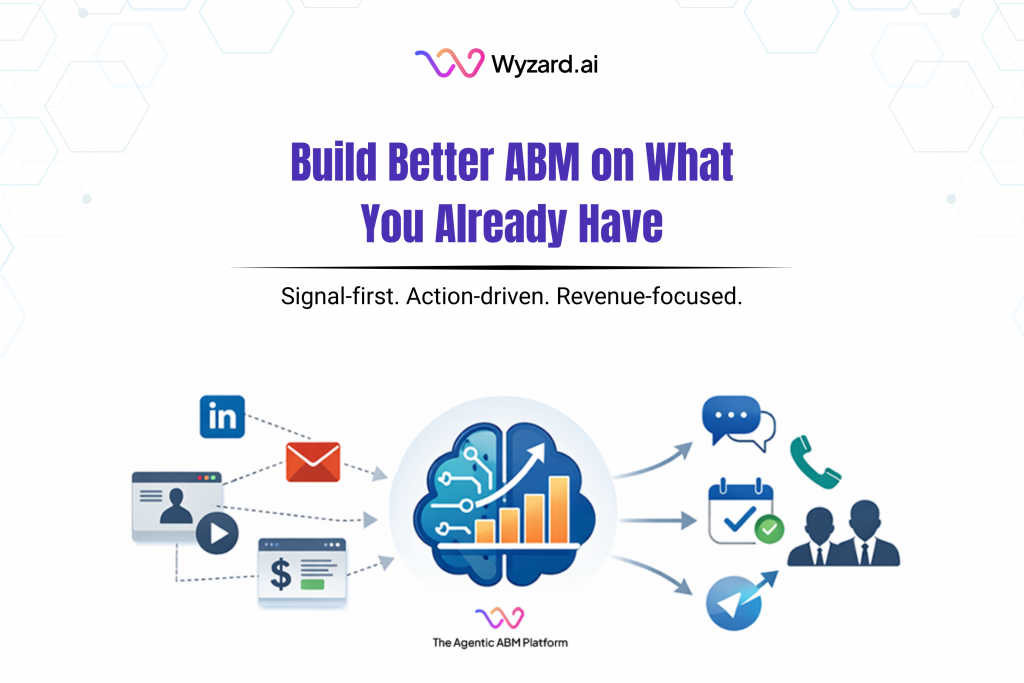
If you are a CMO, this situation feels familiar. Your team has a CRM, marketing automation, paid campaigns, webinars, ...
Subscribe Now
What is Customer Success
Customer success is a proactive business strategy focused on helping customers achieve their desired outcomes through your product or service. Rather than waiting for problems to arise, this approach anticipates customer needs and guides them toward meaningful results that drive mutual value.
The concept centers on building partnerships where customer goals align with business growth. When customers reach their objectives, they remain loyal, expand their usage, and recommend your solution to others. This creates a sustainable growth model built on retention rather than constant acquisition.
Unlike reactive support models, customer success teams work strategically throughout the entire customer relationship. They use behavioral data and engagement signals to identify opportunities for guidance, intervention, or expansion before issues surface.
Why Customer Success Is Important
Customer Success directly impacts revenue stability and growth, especially for subscription-based businesses. Acquiring new customers costs significantly more than retaining existing ones, making customer retention a critical driver of profitability and sustainable expansion.
For B2B SaaS companies, this approach solves the churn problem that undermines growth efforts. When customers don’t achieve their goals, they cancel subscriptions, taking their recurring revenue with them. Customer success prevents this by ensuring value realization happens consistently and measurably.
The strategy also creates a competitive advantage. In crowded markets where products have similar features, the quality of customer relationships becomes the differentiator. Companies that help customers succeed build loyalty that withstands pricing pressure and competitive offers.
What Does Customer Success Do?
Customer success teams guide customers from initial purchase through long-term partnership. They ensure smooth onboarding experiences that demonstrate value quickly, reducing the risk of early-stage churn when buyer’s remorse is highest.
Throughout the relationship, these teams monitor usage patterns and engagement signals to identify accounts needing attention. Low adoption rates, declining activity, or increased support tickets trigger proactive outreach to address concerns before they escalate into cancellations.
Customer Success also identifies growth opportunities within existing accounts. When customers achieve initial goals and show readiness for expanded usage, the team facilitates conversations about additional features, seats, or upgraded plans that support evolving needs.
Benefits of Customer Success
| Benefit | Business Impact | Customer Impact |
| Higher Retention Rates | Predictable recurring revenue and reduced churn | Consistent value and support throughout the relationship |
| Increased Customer Lifetime Value | More revenue per customer through expansions | Solutions that grow with changing needs |
| Lower Acquisition Costs | Satisfied customers provide referrals and case studies | Recognition and partnership opportunities |
| Product Improvement | Usage data informs development priorities | Features built around actual customer needs |
| Revenue Predictability | Renewals and expansions become forecastable | Long-term partnerships with trusted vendors |
The financial benefits extend beyond immediate retention. Customer Success creates advocates who reduce marketing costs through word-of-mouth promotion. These satisfied users provide testimonials, participate in case studies, and serve as references for prospects, accelerating sales cycles and improving close rates.
For customers, the primary benefit is achieving their objectives faster and more reliably. Instead of struggling through implementation alone or discovering value through trial and error, they receive expert guidance that shortens time-to-value and maximizes return on investment.
Key Responsibilities of Customer Success Teams
Onboarding and Implementation
Customer Success teams design and execute onboarding programs that move customers from purchase to productive usage. This involves setting clear expectations, providing training resources, and ensuring early wins that build confidence and momentum.
Effective onboarding focuses on specific outcomes rather than generic feature tours. Teams identify what success looks like for each customer segment and create pathways to reach those milestones within the first 30-90 days.
Health Monitoring and Risk Management
Teams continuously assess account health using multiple data signals. Product usage frequency, feature adoption rates, support ticket volume, and engagement with educational content all indicate relationship strength or emerging risks.
When signals suggest declining health, Customer Success intervenes with targeted actions. This might include personalized check-ins, additional training sessions, or connecting customers with resources that address specific challenges. Platforms like Wyzard.ai enhance this by capturing behavioral signals across channels and triggering timely engagement through features like Agentic Email, ensuring no opportunity for intervention goes unnoticed.
Strategic Planning and Business Reviews
Regular strategic conversations ensure your solution continues meeting evolving customer needs. These reviews demonstrate value delivered, align on future goals, and identify opportunities for deeper partnership through expanded usage or additional capabilities.
Advocacy Development
Customer success identifies satisfied customers ready to become advocates. This includes recruiting participants for case studies, requesting referrals, gathering product feedback, and building community among users who can support each other.
Customer Success Lifecycle Stages
The customer success journey includes distinct phases, each requiring different strategies and touchpoints to maximize value and retention.
Onboarding Phase
New customers need rapid value realization to confirm their purchase decision. This stage focuses on setup, training, and achieving first meaningful outcomes. Success metrics include time-to-first-value and early adoption rates of core features.
Adoption and Growth Phase
Once customers see initial value, the focus shifts to expanding usage across teams and deepening engagement with advanced features. Customer Success monitors adoption patterns and provides guidance that unlocks additional value from the platform.
Renewal and Expansion Phase
As renewal dates approach, teams assess satisfaction levels and relationship health. Strong relationships create opportunities for contract expansions, upgrades, or additional product purchases. Weak relationships require intervention to address concerns and rebuild value perception.
Advocacy Phase
Highly satisfied customers become strategic partners who provide market insights, product feedback, and promotional support. This phase involves nurturing relationships that benefit both parties through mutual growth and shared success.
Each stage requires different engagement models, resources, and success criteria. Mapping your customer journey helps align team activities with the outcomes that matter most at each phase.
Frequently Asked Questions
What’s the difference between customer success and customer support?
Customer success proactively helps customers achieve their goals and prevents problems before they occur, while customer support reactively resolves issues after customers encounter them. Support focuses on fixing immediate problems; customer success focuses on long-term outcomes and relationship health.
How do you measure customer success?
Key metrics include Net Revenue Retention (measuring growth from existing customers), customer health scores (predicting renewal likelihood), churn rate (percentage of customers leaving), expansion revenue (upsells and cross-sells), and customer satisfaction scores like NPS. These metrics together indicate whether customers are achieving their goals.
When should a company invest in Customer Success?
Companies should prioritize customer success when they have a subscription or recurring revenue model, face competitive markets where retention matters, see churn impacting growth, or recognize that customer lifetime value could increase through better engagement and support.
What skills do customer success teams need?
Effective customer success professionals combine relationship management skills with data analysis capabilities. They need empathy to understand customer challenges, strategic thinking to align solutions with business goals, technical knowledge to guide product usage, and analytical skills to interpret health signals and predict outcomes.
How does customer success drive revenue growth?
Customer success increases revenue through higher retention rates (keeping recurring revenue), expansion sales (upsells and additional seats), reduced acquisition costs (through referrals and advocacy), and improved efficiency (lower support costs per customer). Satisfied customers also provide testimonials and case studies that accelerate new customer acquisition.
Other blogs
The latest industry news, interviews, technologies, and resources.
March 30, 2026
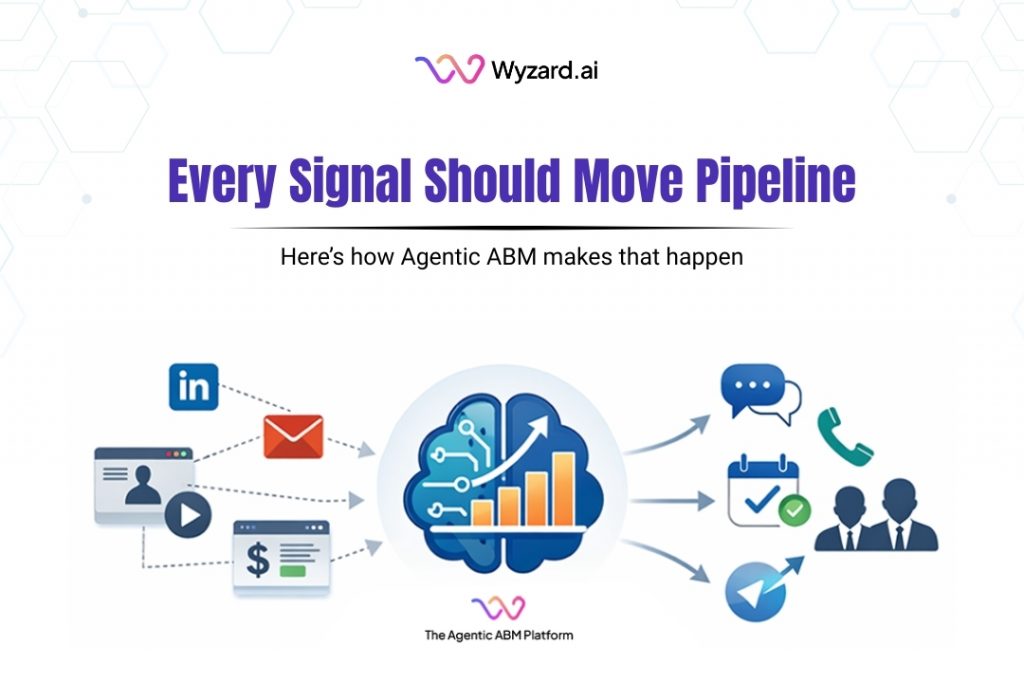
The Signal-to-Revenue Blueprint for Agentic ABM
A CMO reviews the weekly dashboard and sees strong activity. A target account clicked a LinkedIn ad. Another stakeholder ...

March 27, 2026
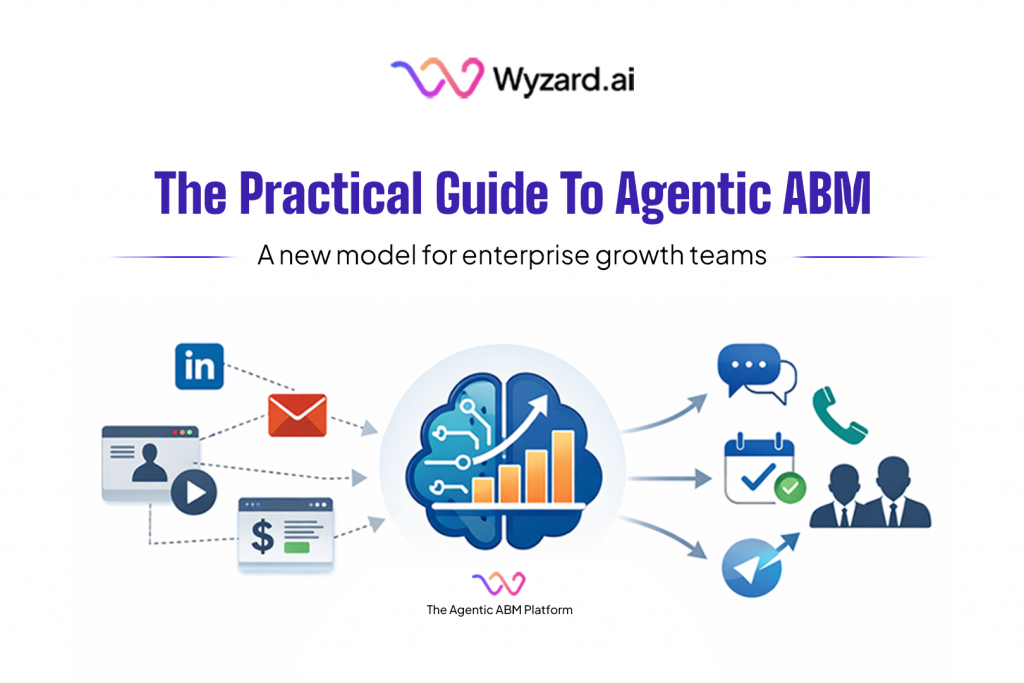
What Is Agentic ABM? A Practical Guide for Enterprise GTM Teams
Enterprise GTM has an action gap. If you are a CMO, this scene is familiar. A target account clicks ...
