 We’ve secured funding to power Signal-to-Revenue AI to GTM teams globally. →
A CNAME Record (Canonical Name record) is a DNS record that maps one hostname (an alias) to another hostname ...
Subscribe Now
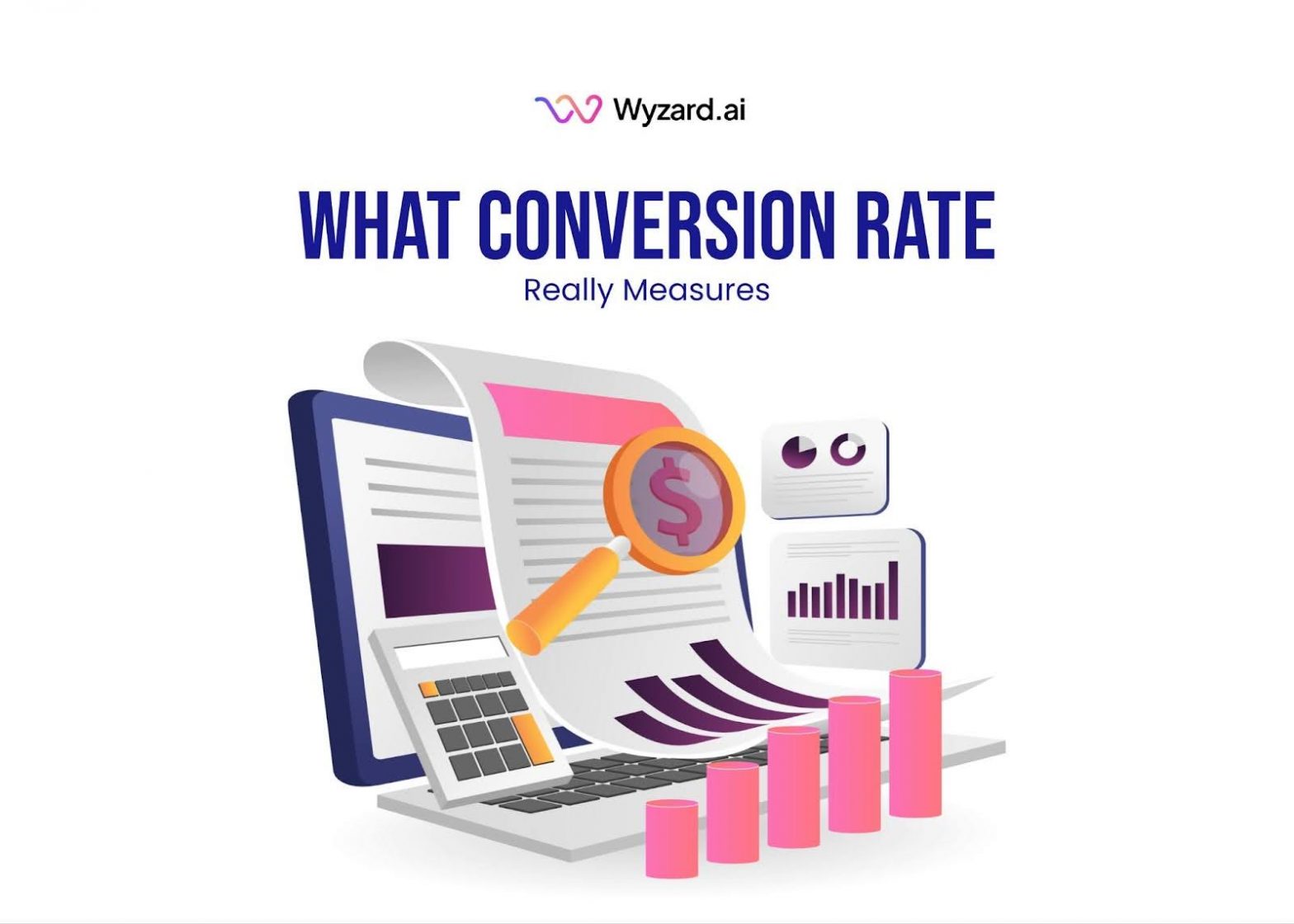
What Is Conversion Rate?
Conversion rate measures the percentage of people who take a desired action out of everyone who could have taken it. If 100 people visit your pricing page and 5 start a trial, your conversion rate is 5%.
This metric matters for B2B SaaS teams because it shows whether your marketing actually generates results. You could drive 10,000 monthly visitors, but if only 50 become leads, you’re spending money on traffic that doesn’t convert. Better conversion rates mean more revenue from the same traffic without increasing your budget.
Types of Conversion Rate
Different conversion actions matter at different stages of your buyer journey. Tracking each type helps you identify exactly where prospects engage and where they drop off.
Visitor-to-lead conversions happen when someone moves from an anonymous browser to an identified prospect. This includes newsletter signups, content downloads, or resource requests. These conversions tell you whether your initial value proposition resonates with your target audience.
Lead to opportunity conversions occur when interest becomes intent. Demo requests, trial signups, and sales call bookings fall into this category. This conversion rate predicts pipeline quality because it shows how many leads actually want to evaluate your solution seriously.
Opportunity to customer conversions represents the final step where trials become paid accounts or proposals become closed deals. This rate directly impacts revenue and shows how effectively your product and sales process deliver on initial promises.
How to Calculate Conversion Rate
The calculation is straightforward. Take the number of people who completed your desired action, divide by the total number of people who had the opportunity to complete it, then multiply by 100 to get a percentage.
If 400 people viewed your demo request form and 20 submitted it, divide 20 by 400 to get 0.05, then multiply by 100. Your conversion rate is 5%. This same formula applies whether you’re measuring page conversions, email click-throughs, or trial-to-paid transitions.
Conversion Rate Formula
Here’s the formula written out:
Conversion Rate = (Number of Conversions ÷ Total Visitors) × 100
You can apply this to any conversion point in your funnel. For a landing page, visitors mean everyone who loads the page. For an email campaign, it means everyone who received the email. For trial conversions, it means everyone who started a trial.
The key is making sure your denominator includes everyone who had the chance to convert, not just those who engaged partway through the process.
What Is a Good Conversion Rate?
B2B SaaS conversion rates vary widely based on traffic source, offer type, and where the conversion happens in your funnel. Landing pages typically convert between 2-5%, though targeted campaign pages can reach 10% or higher.
Demo request forms often see 3-8% conversion rates, depending on how qualified your traffic is. Free trial signups generally fall between 5-15% for self-service products. Trial-to-paid conversion rates range from 10-40% based on your product complexity and trial experience.
What matters most isn’t hitting an industry benchmark. It’s improving your own baseline. A jump from 3% to 5% means you’re getting 67% more conversions from the same traffic, which directly impacts your customer acquisition cost and revenue growth.
Factors That Affect Conversion Rate
Several elements influence whether visitors take action. Understanding these helps you prioritize improvements that actually move the needle.
- Page speed and technical performance impact conversions more than most teams realize. Research shows that even a one-second delay in page load time reduces conversions by 7%. If your demo form takes three seconds to load, you’re losing prospects before they even see your call to action.
- Message clarity and relevance determine whether visitors understand your value fast enough to stay engaged. When someone lands on your page, they decide within seconds whether you solve their problem. Generic messaging or feature lists don’t answer their core question: “Why should I care?” Speak directly to their business challenges instead of listing product capabilities.
- Form design and friction points create barriers between interest and action. Every unnecessary form field costs you conversions. Asking for company size, industry, budget, and technical requirements upfront might seem useful for qualification, but it often stops prospects from completing the form at all. Start with minimal information and gather details later in the process.
- Trust and credibility signals reduce perceived risk. Security certifications, customer logos, case studies, and testimonials reassure visitors that you’re legitimate and capable. When someone’s considering sharing contact information or starting a trial, they need proof that you’ll deliver value and protect their data.
- Timing and context determine whether your offer matches where prospects are in their buying journey. Someone researching solutions needs educational content, not an aggressive demo push. Someone comparing vendors needs specific feature details and pricing transparency. Mismatched offers create conversion friction.
Frequently Asked Questions
What is the difference between conversion rate and click-through rate?
Conversion rate measures completed actions like form submissions or trial signups, while click-through rate only measures clicks on links or ads. Clicks show interest, conversions show actual commitment. You need both metrics, but conversion rate more directly predicts revenue because it tracks prospects taking meaningful steps toward becoming customers.
Check conversion rates weekly to spot trends early, but only make optimization decisions based on monthly data. Daily fluctuations are normal and don’t indicate real problems. Monthly reviews with sufficient sample sizes show you whether changes actually improved performance or if you’re seeing random variation.
Can I have different conversion rates for different traffic sources?
Absolutely, and you should track this. Organic search traffic typically converts better than cold paid ads because searchers have higher intent. Email traffic from nurture campaigns converts better than first-touch email because recipients already know you. Segment conversion rates by source to understand which channels drive quality traffic.
What conversion rate should I aim for?
Start by establishing your current baseline, then aim for 10-20% improvement per quarter. A SaaS company with 3% landing page conversion should target 3.3-3.6% next quarter rather than jumping straight to industry benchmarks. Incremental, sustained improvement compounds into significant gains over time.
Why do my conversion rates drop after making changes?
Changes sometimes hurt conversion temporarily while you find what works. Test variations against your control, measure results with adequate sample sizes, and only implement changes that actually improve performance. One failed test doesn’t mean optimization doesn’t work; it means that specific change didn’t resonate with your audience.
Other blogs
The latest industry news, interviews, technologies, and resources.
What Is A BIMI Record And How To Set It Up
A BIMI record (Brand Indicators for Message Identification) is a DNS-based email standard that can display your brand logo ...

What Is A Return-Path Record And How To Set It Up
Return-Path is an email header (and domain) that tells mail servers where bounce messages should go when an email ...
