 We’ve secured funding to power Signal-to-Revenue AI to GTM teams globally. →
A CNAME Record (Canonical Name record) is a DNS record that maps one hostname (an alias) to another hostname ...
Subscribe Now
Key Performance Indicator (KPI)
A Key Performance Indicator (KPI) is a measurable value that tracks progress toward specific business objectives. KPIs help teams understand whether their efforts are moving the needle on what matters most; whether that’s revenue growth, customer satisfaction, operational efficiency, or strategic milestones.
Unlike general metrics that simply track activity, KPIs are carefully selected to align with your organization’s goals. They answer critical questions: Are we hitting our targets? Where do we need to adjust? What’s working, and what isn’t?
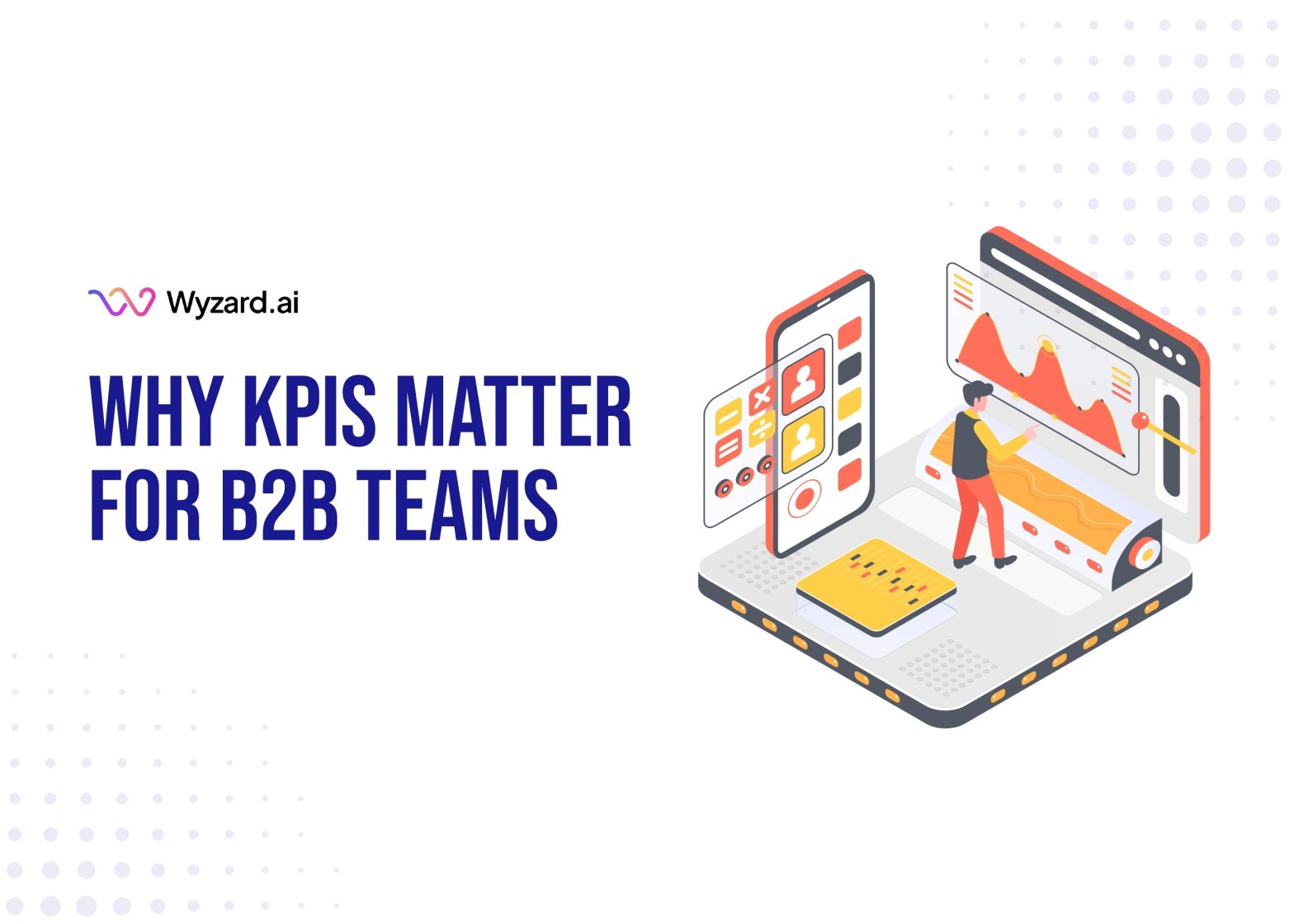
Why KPIs Matter for B2B Teams
For marketing and GTM teams, KPIs provide clarity in an otherwise noisy landscape. You’re tracking dozens of data points across multiple tools: website analytics, CRM records, email platforms, and social channels. Without clear KPIs, it’s easy to drown in data while missing the signals that actually predict revenue.
KPIs cut through this noise by focusing attention on metrics that directly impact business outcomes. When your team knows exactly which numbers to watch, decisions become faster and more confident. You’re not guessing whether a campaign worked, you’re measuring concrete results against defined benchmarks.
Strategic alignment is another major advantage. When everyone from executives to individual contributors understands the KPIs, the entire organization pulls in the same direction. Marketing knows which activities drive a qualified pipeline. Sales understands conversion benchmarks. Leadership can allocate resources based on what’s actually performing.
Common Types of KPIs Across Functions
| Function | Example KPIs | What They Measure |
| Marketing | Conversion Rate, Cost Per Lead, MQL-to-SQL Rate | Campaign effectiveness and lead quality |
| Sales | Win Rate, Average Deal Size, Sales Cycle Length | Deal velocity and revenue efficiency |
| Customer Success | Customer Retention Rate, Net Promoter Score, Customer Lifetime Value | Account health and long-term value |
| Operations | Cycle Time, Error Rate, Process Efficiency | Workflow performance and quality |
Different teams need different KPIs because they have different outcomes. What matters is that these metrics connect back to overarching business goals, typically revenue growth, customer retention, or operational efficiency.
Building Effective KPIs
Creating useful KPIs starts with understanding what you’re trying to achieve. Vague goals produce vague metrics. “Improve marketing performance” doesn’t give you a KPI. “Increase qualified pipeline by 25% in Q2” does.
Leading vs. lagging indicators is a critical distinction. Lagging indicators measure outcomes that have already occurred, like quarterly revenue or customer churn rate. These tell you what happened but don’t help you course-correct in real time. Leading indicators predict future performance, like the number of qualified opportunities created or average response time to prospects. These give you actionable signals while you still have time to adjust.
The strongest KPI frameworks balance both types. You need lagging indicators to measure ultimate success and leading indicators to guide daily decisions.
Measurability is non-negotiable. If you can’t consistently track a number, it’s not a KPI. This means having reliable data sources and clear definitions. Two teams shouldn’t calculate the same KPI differently.
Relevance matters just as much. A metric might be perfectly measurable but completely disconnected from what drives your business forward. Each KPI should answer: “If this number improves, does our business meaningfully improve?”
Common Pitfalls to Avoid
The biggest mistake is tracking too many KPIs. When everything is a priority, nothing is. Most teams function best with 3-5 core KPIs per function, supplemented by supporting metrics when needed for deeper analysis.
Vanity metrics are another trap, numbers that look impressive but don’t connect to outcomes. Total website traffic feels good to report, but if none of those visitors convert, it’s not moving your business forward. Focus on metrics tied to revenue or strategic goals.
Context matters tremendously. A conversion rate of 3% might be excellent in one industry and terrible in another. Benchmarks help, but the most valuable comparison is often against your own historical performance. Are you improving quarter over quarter? That’s what matters.
Wyzard.ai helps teams act on their most critical KPIs by capturing buyer signals across channels and triggering immediate, automated responses. When prospects show interest, the platform ensures your team responds at the exact moment that matters, turning KPI tracking into revenue action. Instead of watching numbers change, you’re actively improving them through smarter, faster engagement.
Other blogs
The latest industry news, interviews, technologies, and resources.
What Is A BIMI Record And How To Set It Up
A BIMI record (Brand Indicators for Message Identification) is a DNS-based email standard that can display your brand logo ...

What Is A Return-Path Record And How To Set It Up
Return-Path is an email header (and domain) that tells mail servers where bounce messages should go when an email ...
