 We’ve secured funding to power Signal-to-Revenue AI to GTM teams globally. →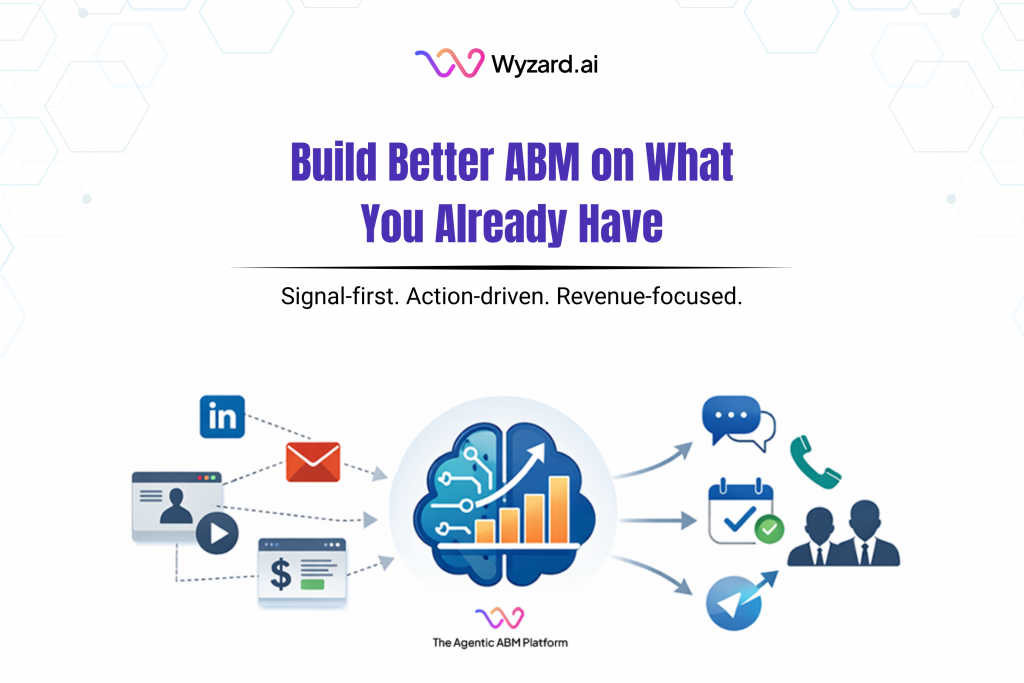
If you are a CMO, this situation feels familiar. Your team has a CRM, marketing automation, paid campaigns, webinars, ...
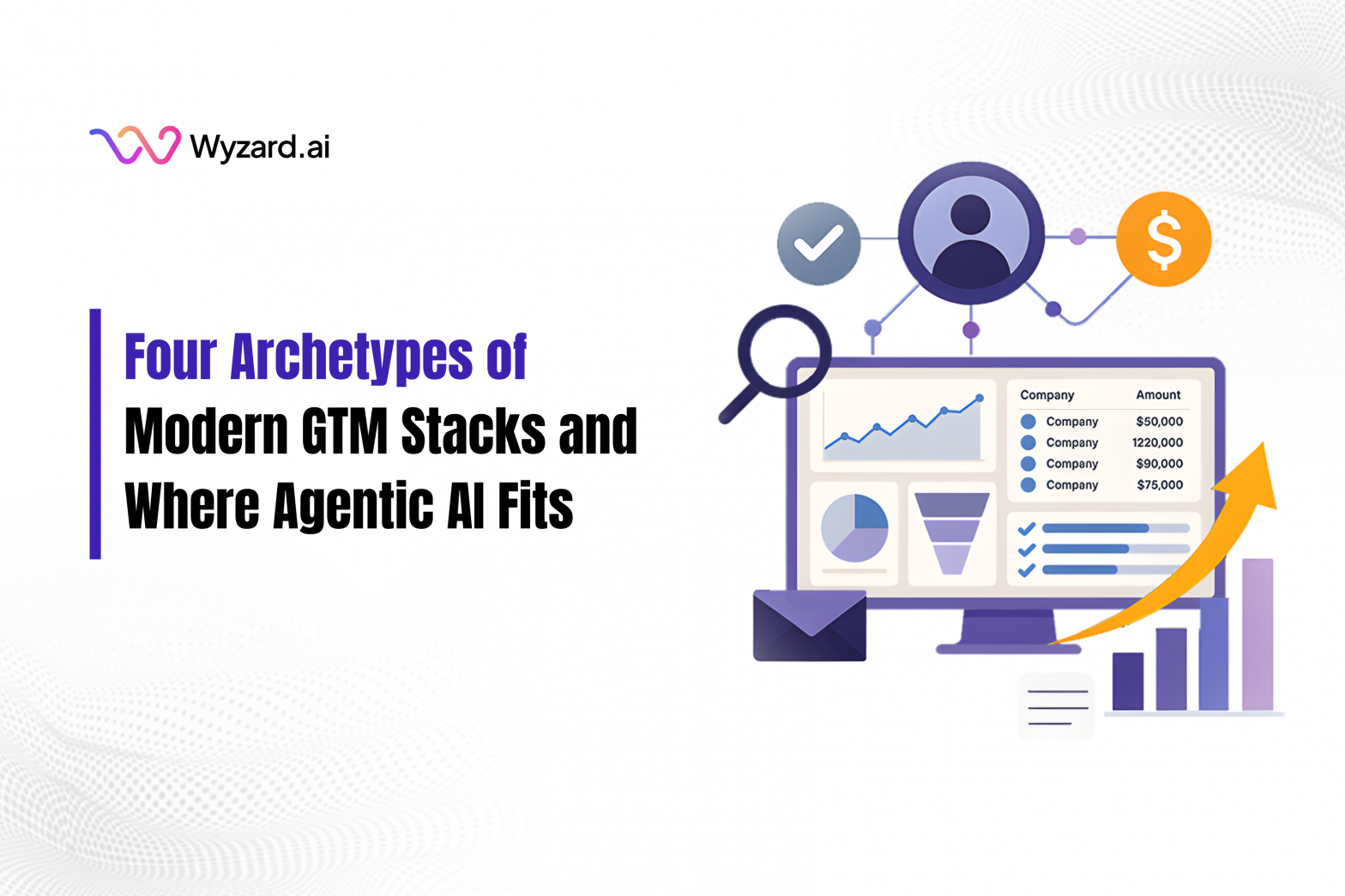
Four Archetypes of Modern GTM Stacks and Where Agentic AI Fits
Published
Categorized as Uncategorized
Subscribe Now
GTM leaders can feel the gap in their stack long before they can articulate it. Campaigns run. Leads arrive. Conversations start. But the motion rarely adds up to predictable outcomes. Some teams add more tools. Others add more workflows. A few restructure their processes entirely. Yet the same question returns:
Why is it so hard to create a GTM engine that responds to interest, moves with consistency, and grows with clarity?
The answer often lies in the structure of the stack itself. Most GTM systems fall into one of four stack archetypes. Each archetype carries strengths. Each carries friction. And each points toward a different path forward.
This blog helps leaders understand where their organization stands today and where Wyzard, the Signal-to-Revenue AI, introduces the leverage needed to reach the next level.
Archetype 1: The Tool-Heavy Starter Stack
Many teams begin with a simple toolkit: CRM for tracking, email tools for outreach, and a few point solutions for chat or enrichment. These teams rely heavily on manual work. SDRs switch tabs often. Marketing shares updates through spreadsheets. Leaders review dashboards that only show fragments of buyer interest.
This approach can work in early stages, but it strains once inbound activity grows. Signals get missed. Follow ups lose timing. Conversations slip away.
Wyzard, the Signal-to-Revenue AI, helps these teams by centralizing signal capture through WyzSignal, adding context through WyzEnrich, and guiding next steps through WyzQualify. It brings structure without forcing a full rebuild.
This is the first step toward improving GTM Maturity.
Archetype 2: The Automation-Dependent Stack
As teams scale, they often shift into an automation-centric model. This stack expands touch volume, creates more sequences, and raises activity counts. Systems run continuously and produce a steady stream of tasks.
The challenge shows up when activity outpaces insight. Automation tools handle tasks, but they rarely understand context. They accelerate motion, not interpretation. Teams work hard, yet many actions land at the wrong moment or reach the wrong accounts.
Here, Wyzard, the Signal-to-Revenue AI strengthens the stack by interpreting real-time signals, not just scheduling tasks. WyzGoal defines the purpose of each motion, and WyzChannels (Agentic Chat, Agentic Email, Agentic LinkedIn, and Agentic Calling) adapts engagement based on interest instead of static workflows.
It becomes clear in this archetype that automation alone cannot support the outcomes leaders want.
Archetype 3: The Insight-Rich but Disconnected Stack
At this stage, teams invest in intent data, enrichment, product analytics, and lifecycle tools. They gain deeper visibility into buyer behavior. But these insights live in separate locations and follow different logic.
Marketing might know which accounts are warming up. Sales might see activity in the CRM. Customer success might track usage patterns. But no single system interprets behavior as one story. Buyers leave clues everywhere, but the organization decodes each clue in isolation.
This is where the need for a Unified Brain becomes obvious.
The GTM Intelligence Graph inside Wyzard, the Signal-to-Revenue AI, creates that unified understanding. It connects buyer identity, activity, timing, and context into a live model. With WyzGPT and Signal Processing, the system reads signals in real time and adjusts execution on its own.
Teams at this stage often feel the biggest jump in clarity once this model is in place.
Archetype 4: The Agentic AI-Ready Stack
This archetype represents the future of modern GTM. Teams here want systems that react to interest instantly, qualify conversations, carry buyers forward, and involve humans when it matters. They aim to operate with less friction, fewer handoffs, and far more precision.
This is where AI Agents fit naturally.
Wyzard.ai’s WyzAgents use the GTM Intelligence Graph and WyzGPT to guide execution. They monitor signals, evaluate context, and take action across channels using WyzChannels, without waiting for manual input. Each agent functions as a focused teammate that improves over time through Agentic Memory.
This architecture moves teams away from rigid workflows and closer to a flexible operating model that aligns with real buyer behavior.
It also becomes the clearest path toward a full System of Outcomes, where GTM engines react to interest with consistency and move beyond the limitations of traditional automation.
Where Does Signal-to-Revenue AI Fit Across All Archetypes
Across every archetype, the gap is the same. Buyer signals appear, but the team responds after the moment passes. Interest surfaces, but context arrives too late. Activity happens, but outcomes remain inconsistent.
Wyzard, the Signal-to-Revenue AI, fills that gap.
- In the early stack, it introduces structure and clarity
- In the automation stack, it corrects timing
- In the insight-rich stack, it unifies context
- In the agentic-ready stack, it drives execution with precision
It listens everywhere through WyzSignal, adds insight through WyzEnrich, interprets readiness through WyzQualify, activates follow ups through WyzChannels, and shapes strategy through WyzGoal and WyzGPT.
No matter the current maturity, this engine becomes the connective layer that transforms motion into meaning.
The Question Every GTM Leader Should Ask
What archetype best reflects your current system? And what holds your team back from reaching the next stage?
For many leaders, the answer begins with seeing signals clearly and acting on them faster. The Signal-to-Revenue AI gives teams that advantage.
It shifts GTM systems from scattered tasks to coordinated outcomes. From delayed reactions to timely engagement. From manual effort to agentic execution.
Modern stacks need a dedicated GTM orchestration layer that sits on top of tools and routes every signal into the right play automatically.
Ready to See Which Archetype You’re In
Wyzard, the Signal-to-Revenue AI, is built for leaders who want clarity in their GTM engine and a clear path to higher maturity.
Book a demo and watch how the Signal-to-Revenue AI moves your team toward a true System of Outcomes.
Other blogs
The latest industry news, interviews, technologies, and resources.
March 30, 2026
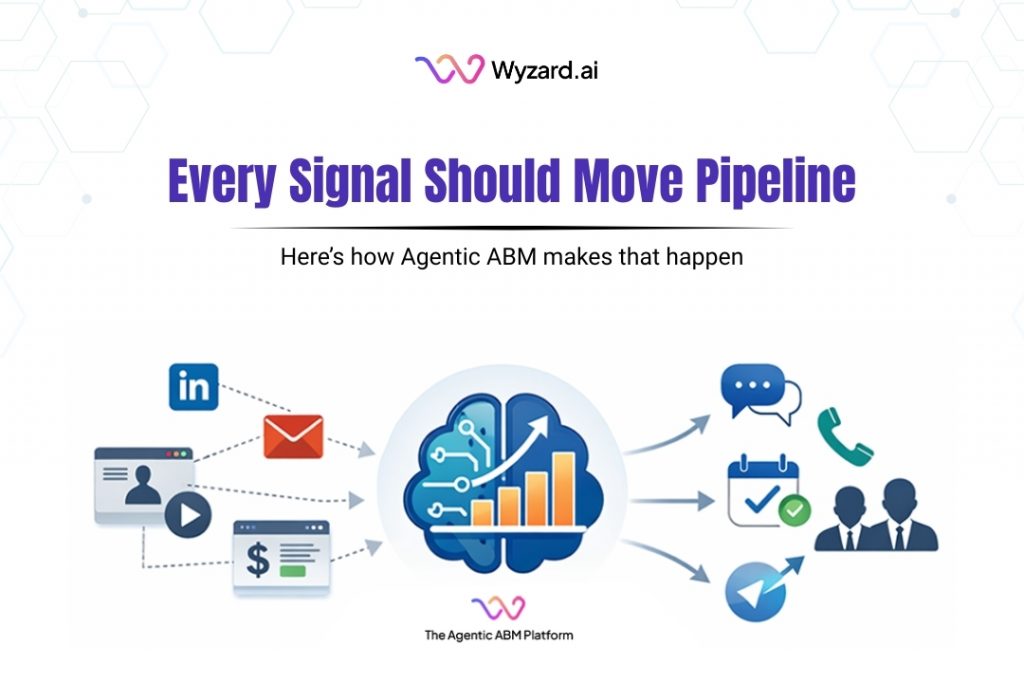
The Signal-to-Revenue Blueprint for Agentic ABM
A CMO reviews the weekly dashboard and sees strong activity. A target account clicked a LinkedIn ad. Another stakeholder ...

March 27, 2026
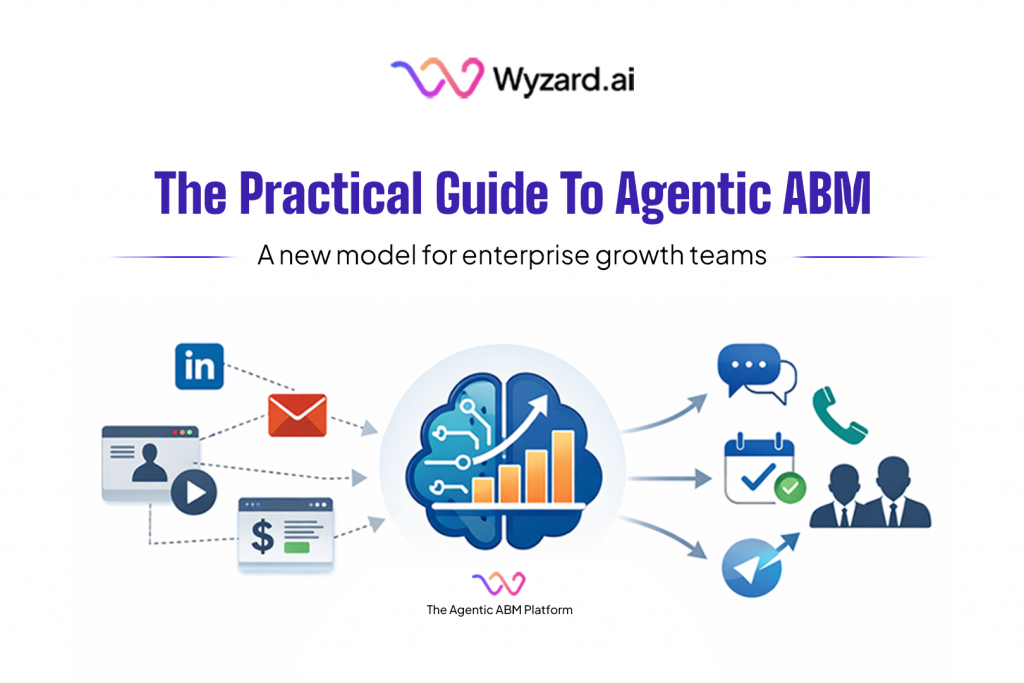
What Is Agentic ABM? A Practical Guide for Enterprise GTM Teams
Enterprise GTM has an action gap. If you are a CMO, this scene is familiar. A target account clicks ...
