 We’ve secured funding to power Signal-to-Revenue AI to GTM teams globally. →
If you are a CMO, this situation feels familiar. Your team has a CRM, marketing automation, paid campaigns, webinars, ...
Subscribe Now
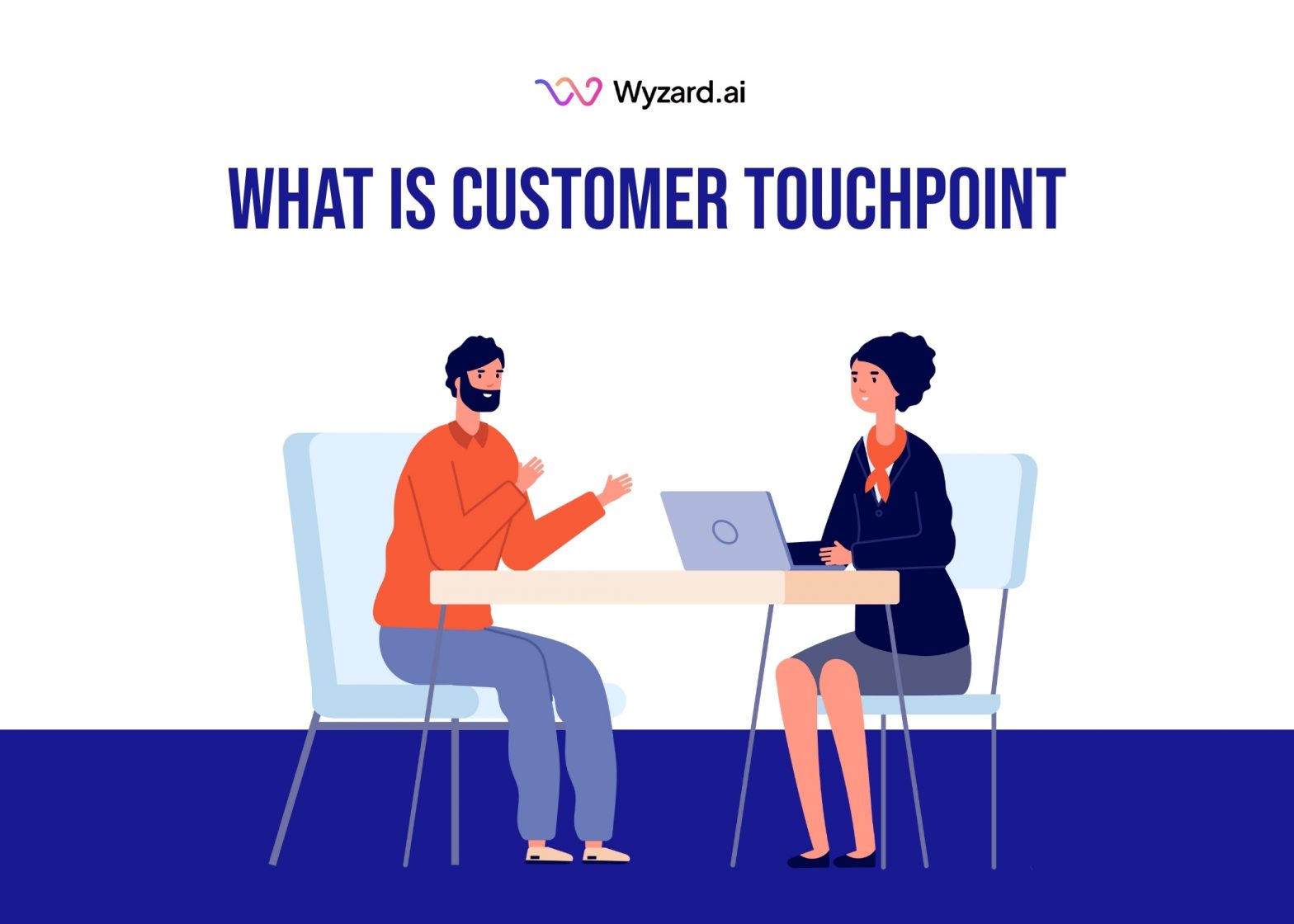
What Is a Customer Touchpoint?
A customer touchpoint is any interaction between a prospect or customer and your company, whether that’s visiting your website, opening an email, attending a webinar, or talking to sales. Each touchpoint represents a moment where someone forms an impression about your brand, product, or value proposition.
For B2B SaaS companies, customer touchpoints matter because they’re scattered across channels and tools. When these moments aren’t connected, buyer intent signals get lost, responses slow down, and revenue opportunities slip away. Understanding and orchestrating touchpoints turns fragmented interactions into a cohesive journey that moves prospects toward revenue.
Why Customer Touchpoints Are Important
Customer touchpoints determine whether prospects move forward or disappear. Every interaction shapes perception, influences decision-making, and either builds momentum or creates friction in the buyer journey.
Marketing teams generate touchpoints through content, campaigns, and channels. Sales teams create them through conversations and demos. But when these touchpoints operate independently, prospects experience disconnection. They repeat information, wait for responses, or receive irrelevant follow-ups because teams don’t share context about previous interactions.
Revenue leakage happens in the gaps between touchpoints. A prospect downloads your pricing guide but receives a generic email about features. They attend your webinar but wait three days for follow-up. They visit your pricing page multiple times, but nobody reaches out. Each delay or mismatch costs deals because buying moments pass quickly.
Types of Customer Touchpoints
Customer touchpoints fall into categories based on who initiates them and what purpose they serve. Understanding these types helps you identify which moments matter most for moving prospects toward decisions.
- Company-Initiated Touchpoints: These are interactions your team creates, email campaigns, ad impressions, outreach messages, event invitations, or content promotions. You control the timing, message, and channel. The challenge lies in making these touchpoints relevant to where prospects are in their journey rather than blasting generic messages.
- Customer-Initiated Touchpoints: These happen when prospects seek information on their terms: visiting your website, searching for your product, reading reviews, downloading resources, or requesting demos. These touchpoints signal active interest and buying intent. Missing or delaying responses to customer-initiated touchpoints causes direct revenue loss.
- Third-Party Touchpoints: Prospects interact with your brand through channels you don’t directly control: review sites, social media mentions, industry forums, comparison platforms, or analyst reports. These touchpoints shape perception and influence consideration.
Customer Touchpoints Across the Customer Journey
Touchpoints map to different stages of how prospects move from awareness to decision. Each stage requires different types of interactions that match where buyers are in their thinking.
Early touchpoints introduce prospects to your existence: paid ads, social posts, SEO content, podcast mentions, or conference presence. These moments create the foundation for future engagement. Middle-journey touchpoints help prospects evaluate solutions: case studies, comparison guides, webinars, product demos, free trials, and sales conversations. Buyers are actively researching, which means response speed matters.
Late-stage interactions push toward commitment: proposal reviews, security questionnaires, contract negotiations, and implementation planning. These touchpoints require coordination between multiple teams and quick turnaround on questions. After the deal closes, touchpoints shift to onboarding, training, support interactions, renewal discussions, and expansion conversations. These moments determine retention and expansion revenue.
| Journey Stage | Touchpoint Examples | Primary Goal |
| Awareness | Paid ads, blog content, social posts | Introduce the solution and build recognition |
| Consideration | Webinars, demos, case studies | Demonstrate fit and differentiation |
| Decision | Proposals, security reviews, trials | Remove friction and build confidence |
| Post-Purchase | Onboarding, training, support | Drive adoption and identify expansion |
How to Identify Customer Touchpoints
Mapping customer touchpoints starts with tracking where prospects engage with your company across their journey. Most teams underestimate the number of touchpoints they actually have because interactions scatter across disconnected systems.
Look at where data lives: your CRM tracks emails and calls, your marketing platform shows campaign engagement, your website analytics reveal page visits, and your event software captures registrations. Each system contains touchpoints. The challenge is connecting them into a complete view of prospect behavior.
Pay special attention to touchpoints where prospects show active interest: pricing page visits, competitor comparison downloads, multiple return visits, feature-specific research, or direct contact attempts. These interactions signal intent and require immediate response because buying moments are time-sensitive.
How to Optimize Customer Touchpoints
Optimization means making each touchpoint more effective at moving prospects toward decisions while reducing friction that slows momentum.
The biggest optimization opportunity lies in orchestration, linking touchpoints so each interaction builds on previous ones. When someone attends your webinar, their next email should reference what they learned rather than sending generic content. When they visit your pricing page, chat should offer relevant help instead of asking them to repeat information.
Optimization also means reducing the time between when a touchpoint signals intent and when your team responds. Prospects who receive relevant follow-up within minutes are exponentially more likely to engage than those who wait hours or days. This requires automating initial responses while maintaining quality and personalization.
Measure touchpoint performance relative to revenue outcomes, not vanity metrics. Track which touchpoints correlate with closed deals, shorter sales cycles, or higher win rates. Eliminate or redesign touchpoints that generate activity but don’t move prospects forward.
Common Customer Touchpoint Mistakes
Not every touchpoint deserves the same attention. A casual blog visit carries a different intent than a pricing page visit or demo request. Teams that respond uniformly: same speed, same message, same follow-up cadence, miss opportunities to prioritize high-intent moments and waste resources on low-signal interactions.
Marketing manages some touchpoints, sales owns others, and customer success controls post-purchase interactions. When teams optimize their touchpoints independently without coordination, prospects experience disconnection. They answer the same qualification questions multiple times, receive conflicting messages, or fall through gaps during handoffs between teams.
Prospects rarely move linearly through touchpoints on a single channel. They might see your ad, visit your website, attend a webinar, then engage on LinkedIn before requesting a demo. If each touchpoint operates independently, you’re blind to the pattern of escalating interest that should trigger prioritized outreach.
FAQs
What are customer touchpoints in B2B SaaS?
Customer touchpoints in B2B SaaS are any moments where prospects or customers interact with your company: website visits, email opens, webinar attendance, demo calls, product trials, support conversations, or renewal discussions. These interactions span the entire journey from first awareness through post-purchase expansion.
What’s the difference between customer touchpoints and the customer journey?
The customer journey is the complete path prospects take from becoming aware of your solution to making purchase decisions. Customer touchpoints are the specific interactions that happen at each stage of that journey. The journey is the map; touchpoints are the landmarks where engagement occurs.
How do you identify high-intent customer touchpoints?
High-intent touchpoints reveal active buying interest: pricing page visits, competitor comparison research, multiple return visits within short timeframes, demo requests, free trial signups, or direct contact attempts. These touchpoints deserve a prioritized response because prospects are making decisions now.
What’s the biggest mistake companies make with customer touchpoints?
The biggest mistake is treating touchpoints as disconnected moments rather than as interconnected signals that reveal buyer intent. When web visits, email opens, event attendance, and sales conversations operate in separate systems, teams respond to individual touchpoints without understanding the complete pattern of engagement.
Can you automate customer touchpoints without losing personalization?
Yes, when automation uses context about prospect behavior, previous interactions, and current needs, rather than sending generic triggered messages. Automation should enhance personalization through speed and context, not replace it with robotic responses.
Other blogs
The latest industry news, interviews, technologies, and resources.
March 30, 2026
The Signal-to-Revenue Blueprint for Agentic ABM
A CMO reviews the weekly dashboard and sees strong activity. A target account clicked a LinkedIn ad. Another stakeholder ...

March 27, 2026
What Is Agentic ABM? A Practical Guide for Enterprise GTM Teams
Enterprise GTM has an action gap. If you are a CMO, this scene is familiar. A target account clicks ...
