 We’ve secured funding to power Signal-to-Revenue AI to GTM teams globally. →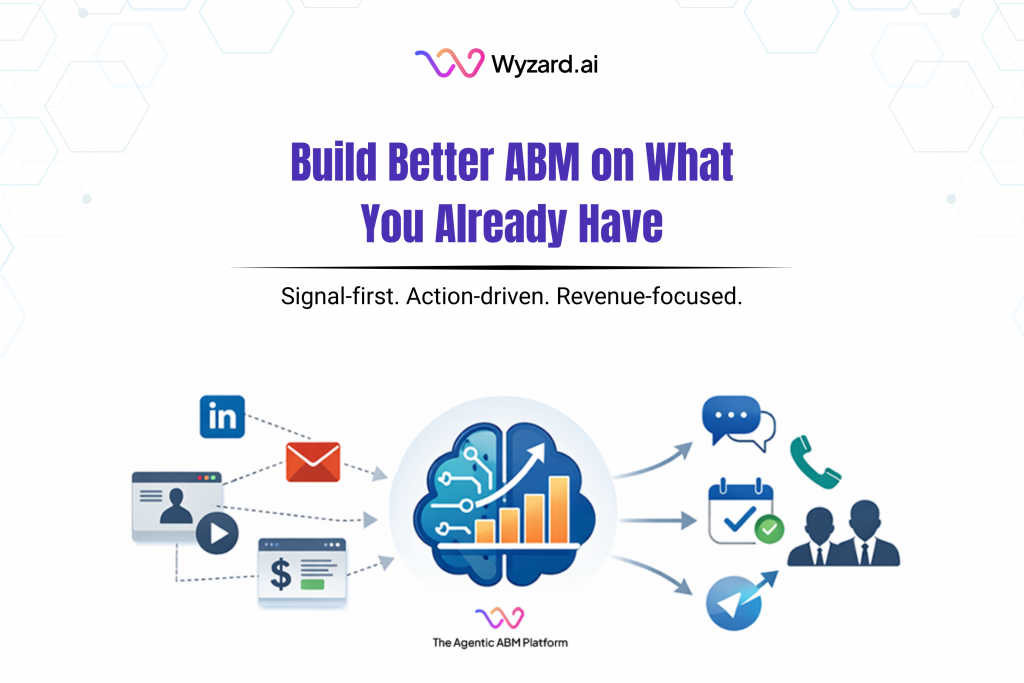
If you are a CMO, this situation feels familiar. Your team has a CRM, marketing automation, paid campaigns, webinars, ...
No-Show Recovery Playbook: The 10-Minute Save vs the 24-Hour Follow-Up
Published
Categorized as Uncategorized
Subscribe Now
The meeting was booked for a reason. The account fit checked out. The buyer accepted the invite. Your team did the work, and the calendar said the next step was real.
Then the time hits. Your rep joins. The buyer does not.
For CMOs, this moment can feel deceptively small. It looks like a scheduling hiccup. It gets filed under “sales follow-up.” It slides into the noise of a busy week. Yet the revenue impact is real. A missed meeting can turn an active deal into a stalled deal in a single afternoon.
That is why no-show recovery deserves a playbook, not a shrug. It is not “chasing.” It is protecting momentum that already existed.
Wyzard, the Signal-to-Revenue AI, is built for moments like this. It detects buyer signals as they happen, connects your GTM stack, and coordinates the right response across channels so intent does not fade when a meeting is missed.
Why a No-Show Still Signals Intent
A buyer does not schedule time with your team by accident. They picked a slot. They made space on a calendar. They created expectations, sometimes with multiple stakeholders involved. A no-show rarely means “no interest.” More often it means “not right now,” or “something changed,” or “I got pulled into something internal.”
That is why no-show recovery should not read like cold outbound. The buyer already raised their hand. Your job is to keep the thread intact.
No-shows sit close to the money. The meeting only got booked after some level of fit, urgency, and motivation. Treating it like a dead end creates avoidable leakage. Treating it like an active signal creates a second chance.
Harvard Business Review has published research on lead response behavior and how time-to-response affects outcomes. The lesson is consistent: delays reduce engagement, fast responses keep conversations alive. No-show follow-up lives in that same reality. A fast, relevant response often beats a later “checking in” note.
The 24-Hour Wait That Quietly Kills Deals
Many teams default to a pattern that feels reasonable. A rep notices the no-show later. They send a follow-up after finishing calls. Maybe it goes out the next day. The message is polite, yet generic. It lacks context. It arrives after the buyer has moved on to another priority.
A buyer’s attention window is short. The missed meeting is fresh right after it happens. Twenty-four hours later, it becomes one more item in their inbox.
This is where speed matters. Not aggressive speed. Helpful speed. The kind that feels like continuity, not pressure.
Strong no-show recovery treats the first ten minutes as the real window. That window has context, memory, and open mental bandwidth.
What Great No-Show Recovery Looks Like
High-performing teams keep no-show recovery simple. The best messages share a few traits:
- They acknowledge the miss without guilt, blame, or awkwardness
- They offer a clear next step that takes two seconds to choose
- They keep the original context alive, including what was on the agenda
- They use the channel that fits the buyer’s pattern
This breaks down quickly with manual execution. Reps get pulled into other work. Context lives across calendar tools, CRM notes, email threads, event systems, and ad platforms. Timing becomes inconsistent across the team.
That is exactly why this belongs in a System of Outcomes. A System of Outcomes treats signals as triggers for outcomes, not reminders for humans.
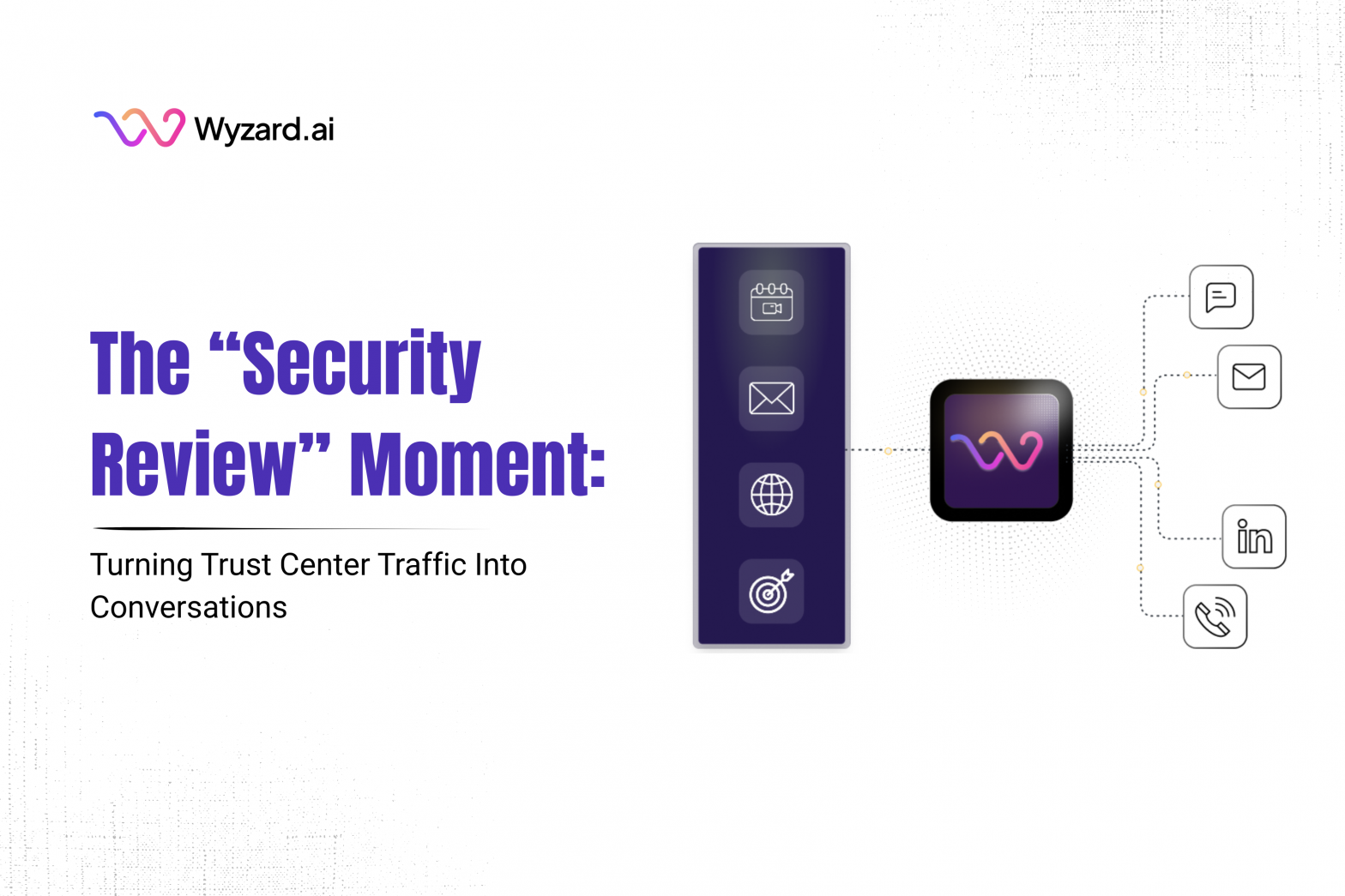
How Wyzard.ai Runs No-Show Recovery Across Channels
Wyzard, the Signal-to-Revenue AI, designed to connect signals from across your GTM motion and turn them into coordinated action. A meeting no-show is one signal. The full picture often includes many more signals from the same account.
A buyer might have:
- Visited your pricing page after clicking a LinkedIn ad
- Attended a webinar earlier that week
- Replied to a nurture email with a question
- Had a lead scanned at an event booth
- Scheduled a meeting, then missed it
Wyzard.ai pulls these signals into the GTM Intelligence Graph so the no-show does not sit in isolation. Your team gets context, not guesswork.
From there, AI GTM Engineers set goals in plain language, like “recover missed meetings within ten minutes,” or “route no-shows from ICP accounts to the right owner with full engagement history.” Wyzard.ai then coordinates outreach across email, LinkedIn, voice, and human handoff. The play runs with oversight, so teams stay in control.
This is deal rescue that fits modern GTM reality. It is omni-channel, account-aware, and consistent.
Manual SDR Follow-Up vs System-Driven Deal Rescue
Manual follow-up depends on availability and habits. One rep responds in ten minutes. Another rep responds after lunch. Another rep forgets until the next day. Messaging varies across the team. Context gets lost.
System-driven deal rescue stays consistent. Every missed meeting triggers action. Every message reflects the signal. Every handoff carries context. The team keeps moving without relying on individual effort.
This is not a replacement for sales. It is coverage for the moments that fall through the cracks.
Why CMOs Should Treat No-Show Recovery as Revenue Protection
CMOs care about pipeline efficiency and forecast confidence. Missed meetings create hidden volatility. Deals stall without clear reason. Stage conversion weakens. The funnel looks fine on the surface, then misses target at the bottom.
A structured no-show recovery play reduces that volatility. It keeps qualified conversations alive. It protects the value of demand gen spend. It gives sales a second chance without more manual chasing.
Wyzard.ai supports CMOs, sales leaders, RevOps teams, SDR managers, and frontline sellers by turning missed meetings into actionable signals inside a connected System of Outcomes. The work becomes repeatable, measurable, and scalable.
Close the Gap Between a Missed Meeting and a Live Conversation
A no-show is not a rejection. It is a buying moment that needs a response. The ten-minute window is where momentum can be saved. The twenty-four-hour wait is where momentum often disappears.
Wyzard, the Signal-to-Revenue AI, helps teams catch that moment and coordinate follow-up across channels using WyzAgents, the GTM Intelligence Graph, and outcome-driven execution. If missed meetings are quietly draining your pipeline, see the play running live.
Book a demo with Wyzard.ai and turn no-show recovery into a consistent lever for deal rescue and more predictable revenue.
Other blogs
The latest industry news, interviews, technologies, and resources.
March 30, 2026
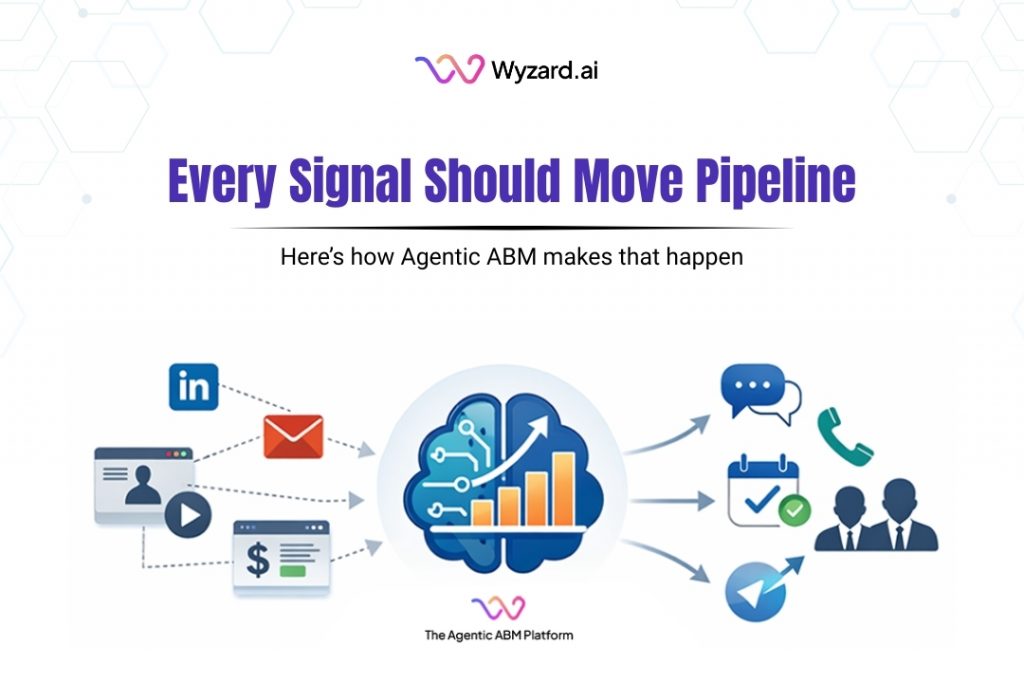
The Signal-to-Revenue Blueprint for Agentic ABM
A CMO reviews the weekly dashboard and sees strong activity. A target account clicked a LinkedIn ad. Another stakeholder ...

March 27, 2026
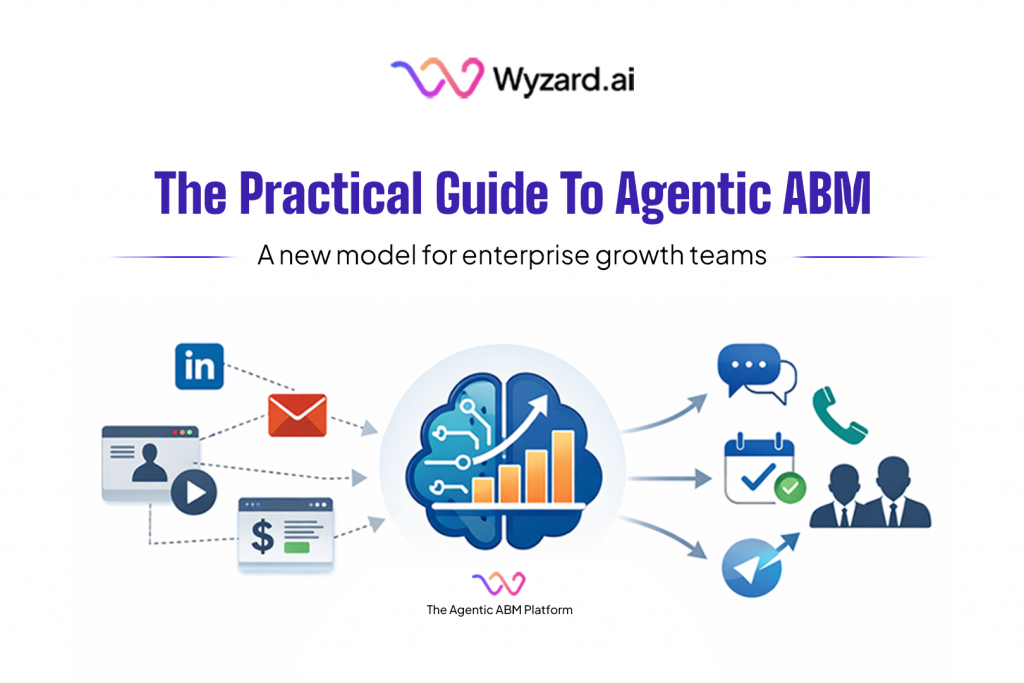
What Is Agentic ABM? A Practical Guide for Enterprise GTM Teams
Enterprise GTM has an action gap. If you are a CMO, this scene is familiar. A target account clicks ...
