 We’ve secured funding to power Signal-to-Revenue AI to GTM teams globally. →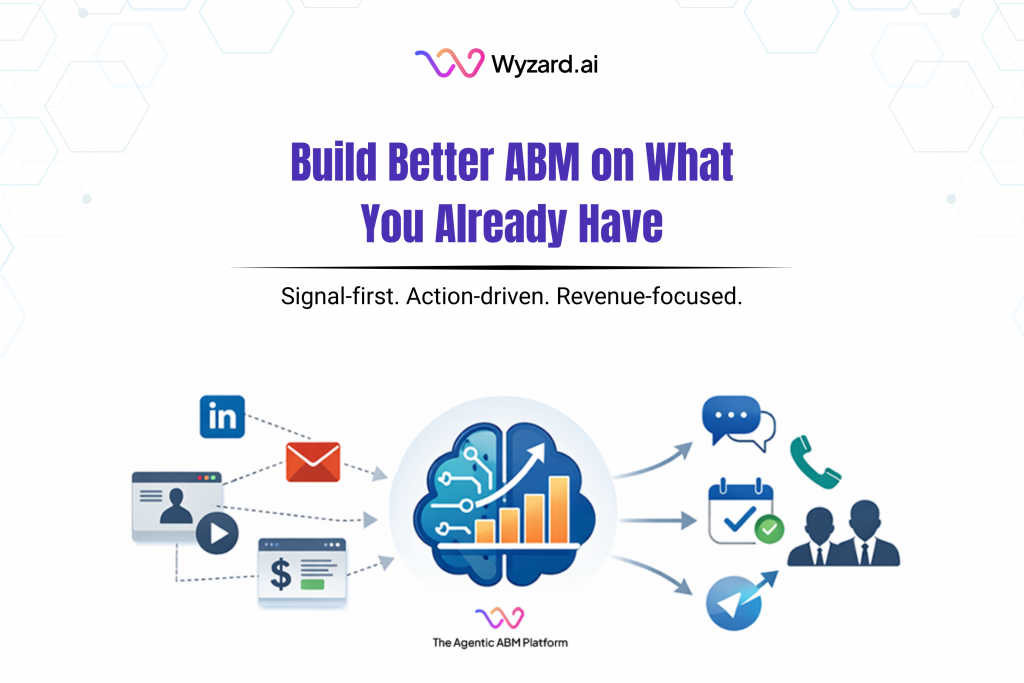
If you are a CMO, this situation feels familiar. Your team has a CRM, marketing automation, paid campaigns, webinars, ...
The First 90 Days of Outcome-led GTM: Where Most Teams Actually Lose Pipeline
Published
Categorized as Uncategorized
Subscribe Now
A CMO signs off on a new GTM rollout with cautious optimism. Tools are connected. Workflows are documented. Dashboards light up. The team calls it go-live. On paper, it looks ready.
Then the next few weeks land harder than expected. Pipeline feels thinner than planned. Follow-ups slow down. High-intent moments slip past unnoticed. By the end of the first quarter, the same question surfaces in a quieter tone: where did the pipeline go?
Here’s the truth most teams miss. outcome-led GTM rarely fails months later. It fails early. The first 90 days are where pipeline quietly leaks, long before deals reach later stages. This is the gap Wyzard, the Signal-to-Revenue AI, was built to close. Wyzard.ai captures buyer signals the moment they happen and orchestrates execution across channels, turning early intent into real revenue instead of missed opportunity.
Pipeline Loss Starts Earlier Than Teams Think
Many GTM teams assume pipeline leakage happens deep in the funnel. Deals stall. Budgets shrink. Champions disappear. Those things happen, yet the damage often begins much earlier.
In the first 30 to 90 days after go-live, teams are learning new motions, testing assumptions, and adjusting workflows. Buyer intent is high. Attention is fresh. That is also when cracks in execution show up.
When outcome-led GTM lacks clear ownership and active orchestration, early intent fades before it becomes pipeline.
The Myth of “We’re Live, so We’re Good”
After go-live, confidence is high. Tools are in place. Plays are written. Teams expect execution to follow naturally.
What actually happens looks different. Signals arrive from the website, from events, from webinars, from paid ads, from email replies. Some get action. Others wait. Ownership shifts between teams. Response standards loosen. The system technically works, yet execution drifts.
That drift is where GTM risk enters. Not from bad strategy. It comes from gaps between intent and action.
Why the First 90 Days Matter Most
The first 90 days shape long-term GTM health. Habits form. Standards either stick or decay. Teams decide, often without saying it out loud, how seriously execution will be treated.
During this period, early pipeline leakage becomes a leading indicator. Missed signals create lost trust with buyers. Slow responses signal disinterest. Inconsistent follow-up reduces engagement before opportunities mature.
For CMOs, this is dangerous. By the time pipeline reports look weak, the real problem already happened weeks earlier.
Four Places Pipeline Leaks in Outcome-Led GTM
Across many rollouts, the same breakdowns show up again and again.
1) Signal capture breaks
Intent shows up everywhere. A lead scans a badge at an event. A prospect attends a webinar. Someone clicks a LinkedIn ad. Another replies to a nurture email. Website visits spike.
When these signals live in silos, context disappears. Teams act on fragments instead of full intent. Without a unifying layer like the GTM Intelligence Graph, signal capture turns inconsistent and incomplete.
2) Response speed degrades
Early excitement fuels fast follow-up. Over time, urgency fades. SLAs loosen. Manual prioritization creeps back in.
Buyers notice. Intent cools quickly when response slows. What felt like a strong launch turns into missed conversations.
3) Execution ownership stays unclear
Plays exist on paper, yet ownership blurs in practice. Who owns follow-up? Who monitors play performance? Who fixes breakdowns?
Without a clear System of Outcomes, strategy floats above execution. Outcomes are discussed, yet no one owns them end to end.
4) Feedback loops never form
Teams review results too late. No weekly inspection. No early correction. Small issues compound into larger failures.
These execution gaps rarely trigger alarms, yet they drain pipeline steadily.
Why tool-only rollouts fall short
Many teams treat tool connection as execution. It is not.
Tools enable action. Tools do not own outcomes. Implementations often end at configuration. Teams assume adoption equals impact.
Outcome-led GTM needs more than setup. It needs continuous orchestration, inspection, and adjustment. Without that, even strong tools underperform.
The Job of a System of Outcomes
A System of Outcomes connects signals to actions and actions to results. It creates a living loop. Signals trigger action. Actions create outcomes. Outcomes guide adjustment.
Without ownership inside that loop, it decays. Early-stage execution weakens. Pipeline protection disappears.
This is where managed execution earns its place.
How Wyzard.ai Reduces Early Pipeline Leakage
Wyzard.ai is built for the messy reality after go-live. As the Signal-to-Revenue AI, we focus on turning live intent into consistent action across channels.
The GTM Intelligence Graph unifies signals from website activity, events, webinars, paid campaigns, email replies, and CRM data. Context stays intact. No signal stands alone.
Wyzard.ai’s managed GTM enforces response and follow-up across channels. AI GTM Engineers monitor early execution, identify breakdowns, and adjust plays before leakage compounds. Weekly cadence surfaces issues while they are still fixable.
This approach closes the gap tool-only rollouts leave behind.
What a Healthy First 90 Days Looks Like
A strong outcome-led GTM rollout follows a clear pattern.
Days 1–30: signal capture stabilizes. Response consistency improves across channels. Ownership becomes visible.
Days 31–60: plays get refined. Routing improves. Follow-up adapts based on engagement.
Days 61–90: feedback loops mature. Execution confidence grows. Pipeline contribution becomes predictable.
The difference is not more tools. The difference is execution ownership.
Who is Most at Risk Without Execution Ownership
CMOs face the highest risk during new GTM rollouts under pressure to deliver results fast. RevOps leaders inherit the burden of fixing gaps after the fact. Teams scaling inbound, events, and paid demand feel the pain first.
Without managed execution, outcome-led GTM becomes outcome-aspirational instead of outcome-driven.
Go-Live is the Starting Line, Not the Finish
Pipeline loss does not announce itself. It starts quietly, early, and compounds fast.
The first 90 days determine whether outcome-led GTM delivers on its promise or becomes another missed opportunity. Outcomes require ownership. Signals require action. Execution requires discipline.
Wyzard.ai was built for this phase. We are the Signal-to-Revenue AI, orchestrating every signal into revenue with human oversight from AI GTM Engineers.
If you want to protect pipeline when it matters most, start right after go-live. Book a demo to see how Wyzard.ai’s managed GTM closes early execution gaps and keeps outcome-led GTM on track from day one.
Other blogs
The latest industry news, interviews, technologies, and resources.
March 30, 2026
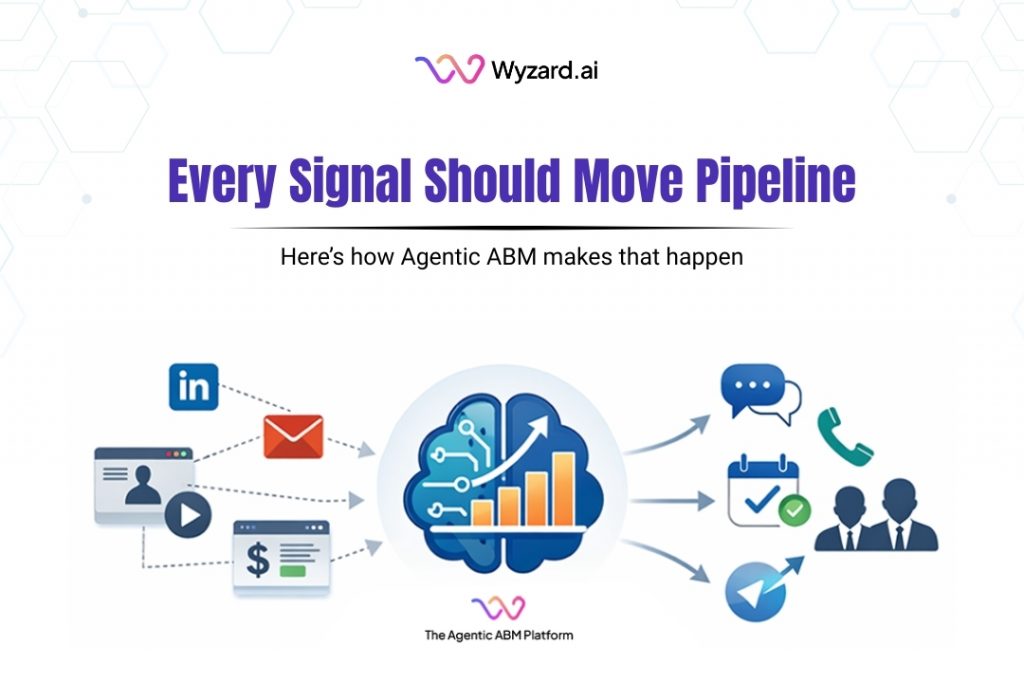
The Signal-to-Revenue Blueprint for Agentic ABM
A CMO reviews the weekly dashboard and sees strong activity. A target account clicked a LinkedIn ad. Another stakeholder ...

March 27, 2026
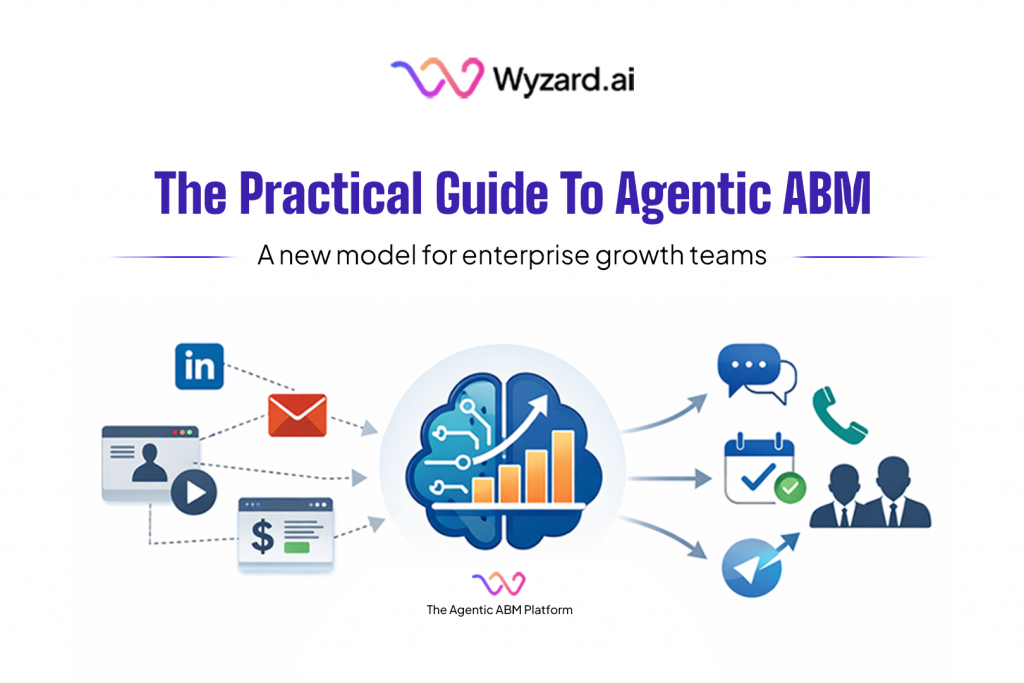
What Is Agentic ABM? A Practical Guide for Enterprise GTM Teams
Enterprise GTM has an action gap. If you are a CMO, this scene is familiar. A target account clicks ...
