 We’ve secured funding to power Signal-to-Revenue AI to GTM teams globally. →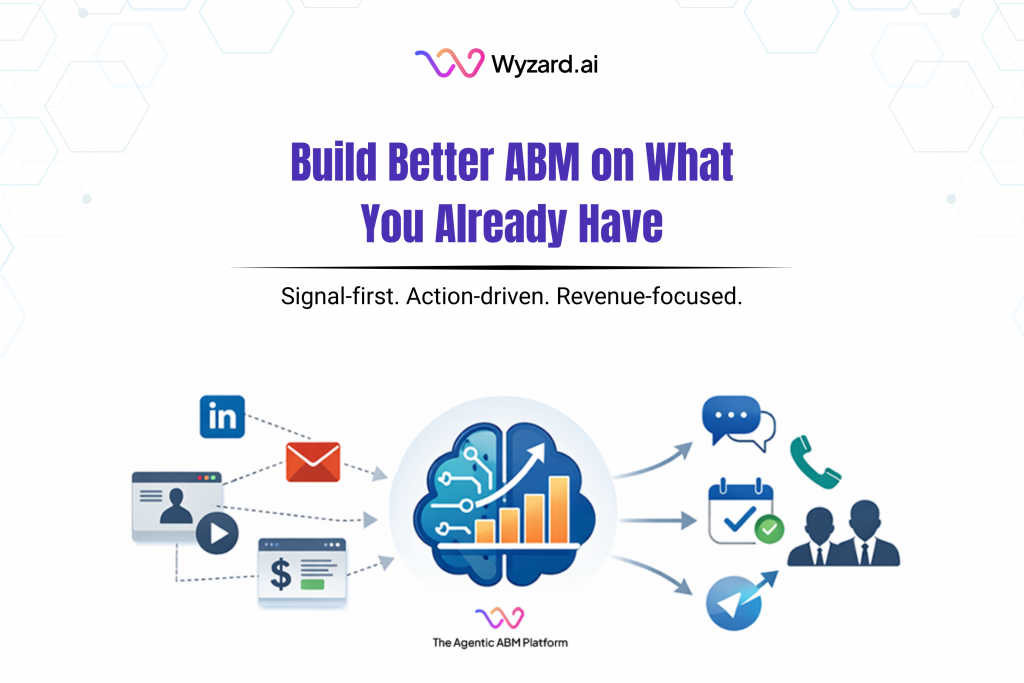
If you are a CMO, this situation feels familiar. Your team has a CRM, marketing automation, paid campaigns, webinars, ...
Agency Delivery 2.0: Offer Always-On Follow-Up to Every Client
Published
Categorized as Uncategorized
Subscribe Now
Most agencies are great at launching campaigns. The kickoff is sharp, the messaging is solid, and early results look promising. Then the campaign ends. Leads slow down. Follow-up becomes uneven. Clients start asking harder questions about revenue impact.
That is where agency value quietly drops off.
Clients want outcomes that continue after launch. That is why always-on follow-up is becoming the next evolution of agency delivery. It turns agencies from project vendors into execution partners.
Wyzard, the Signal-to-Revenue AI, captures buyer signals the moment they happen and orchestrates follow-up across channels so agencies can deliver outcomes long after the campaign goes live.
Why Agency Value Breaks After the Campaign Ends
Most agencies operate on a familiar model. Plan. Launch. Report. Move on. The issue is not the quality of the work. The issue is what happens next.
Leads from events, webinars, paid ads, and website visits often sit untouched or get delayed responses. Follow-up depends on the client’s internal team, which may already be stretched thin. When revenue does not materialize, clients question the campaign rather than the execution gap.
For CMOs, this creates tension. They approved the spend. They saw early interest. Pipeline growth still stalls. That gap between activity and revenue is exactly where always-on follow-up changes the equation.
Why Always-On Follow-Up Changes the Agency Equation
Follow-up determines revenue impact. Speed matters. Consistency matters. Context matters.
An always-on follow-up model means no signal goes cold just because a campaign ended. It keeps engagement running across channels like website visits, event scans, webinar attendance, LinkedIn ad clicks, and email replies. Agencies that own this layer move closer to revenue outcomes, not just lead volume.
This shift increases client trust. It also creates recurring value. Instead of one-off projects, agencies offer ongoing execution tied to results.
What Always-On Follow-Up Really Means
Always-on follow-up is not a nurture sequence and it is not a batch of automations.
It is a continuous execution layer that connects signals to action in real time. Every buyer action triggers the right response across channels. Ownership is clear. Standards are enforced.
This approach depends on a System of Outcomes. Signals lead to actions. Actions lead to measurable outcomes. Outcomes drive adjustments. Without this system, follow-up becomes inconsistent and reactive.
The Role of the GTM Intelligence Graph
Buyer intent is fragmented. One prospect clicks a LinkedIn ad. Another scans a badge at an event. Someone else replies to an email. A different account visits the pricing page twice.
Without a unifying layer, these actions remain disconnected. Context disappears. Relevance suffers.
The GTM Intelligence Graph solves this by bringing all signals together. It preserves context across channels and moments. This allows agencies to deliver relevant follow-up that feels timely and personal, not generic.
For agencies, this is the foundation of always-on follow-up at scale.
How Agencies Turn Always-On Follow-Up Into Revenue
Once execution becomes continuous, the business model changes.
Agencies can offer retainer-based execution instead of one-off delivery. They can price based on outcomes rather than outputs. They can expand from campaign creation into revenue ownership.
This directly supports client monetization. Clients stay longer. Engagement deepens. The agency becomes part of the revenue engine, not just the top-of-funnel.
Just as important, this model supports service scale. Agencies no longer need to hire large execution teams to maintain quality. Managed execution and orchestration carry the load.
Why Traditional Agencies Struggle to Deliver This
Most traditional agencies were built for campaigns, not continuous execution.
They rely on disconnected tools. Follow-up lives with the client. Ownership ends at delivery. Internal teams lack the bandwidth to monitor engagement across channels in real time.
This creates a structural limit. Even agencies that want to offer always-on follow-up struggle to deliver it consistently without rebuilding their entire operating model.
How Wyzard.ai Becomes the Agency Execution Engine
Wyzard.ai exists to power this next phase of agency delivery. Wyzard, the Signal-to-Revenue AI, connects GTM systems, captures live buyer signals, and triggers follow-up across channels with human oversight.
Wyzard.ai’s managed GTM for Agencies provides an execution layer agencies can plug into. Signals from events, webinars, website activity, paid campaigns, and email replies flow into the GTM Intelligence Graph. Follow-up is orchestrated across chat, email, LinkedIn, and voice.
Behind the scenes, AI GTM Engineers monitor execution, maintain standards, and adjust plays as behavior changes. Agencies stay client-facing and strategic while Wyzard.ai handles the complexity of execution.
What Agency Delivery 2.0 Looks Like in Practice
A campaign launches. Leads start flowing in from multiple channels. Instead of handing everything off, always-on follow-up begins immediately.
Website visitors get timely outreach. Event leads are contacted while intent is fresh. Webinar attendees are engaged based on session behavior. Email replies trigger the next best action. The agency remains accountable for follow-through.
Clients see consistent engagement week after week. Revenue attribution becomes clearer. The agency relationship shifts from project-based to outcome-driven.
Who This Model is Built For
This approach works best for agencies that want to grow without adding headcount.
Demand gen agencies, growth agencies, B2B marketing partners, and GTM consultancies all benefit. CMOs prefer partners who own execution, not just ideas. Revenue leaders value predictable follow-up that protects pipeline.
Always-on follow-up becomes a differentiator in crowded markets.
The Future of Agencies is Always-On
Campaigns create spikes. Follow-up creates revenue.
Agencies that stop at delivery leave value on the table for themselves and their clients. Agencies that adopt always-on follow-up step into a larger role. They deliver outcomes continuously, not occasionally.
Wyzard.ai supports this shift. As the Signal-to-Revenue AI, we orchestrate every signal into revenue with managed execution led by AI GTM Engineers.
If you want to offer always-on follow-up to every client without hiring or rebuilding your stack, it starts with execution ownership. Book a demo to see how Wyzard.ai’s managed GTM becomes the execution engine behind Agency Delivery 2.0.
Other blogs
The latest industry news, interviews, technologies, and resources.
March 30, 2026
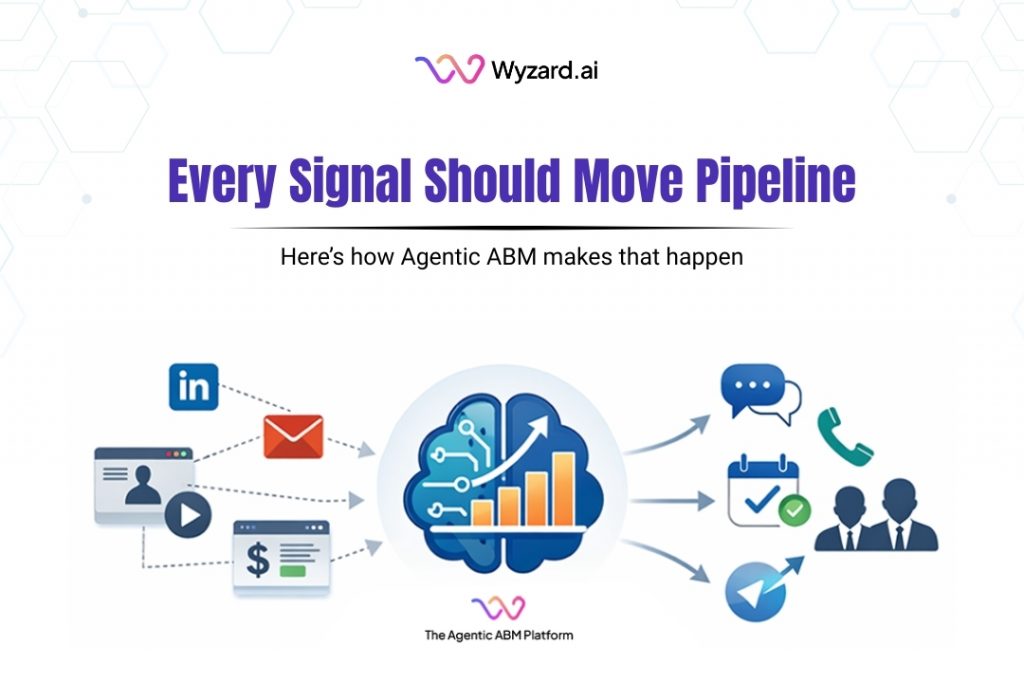
The Signal-to-Revenue Blueprint for Agentic ABM
A CMO reviews the weekly dashboard and sees strong activity. A target account clicked a LinkedIn ad. Another stakeholder ...

March 27, 2026
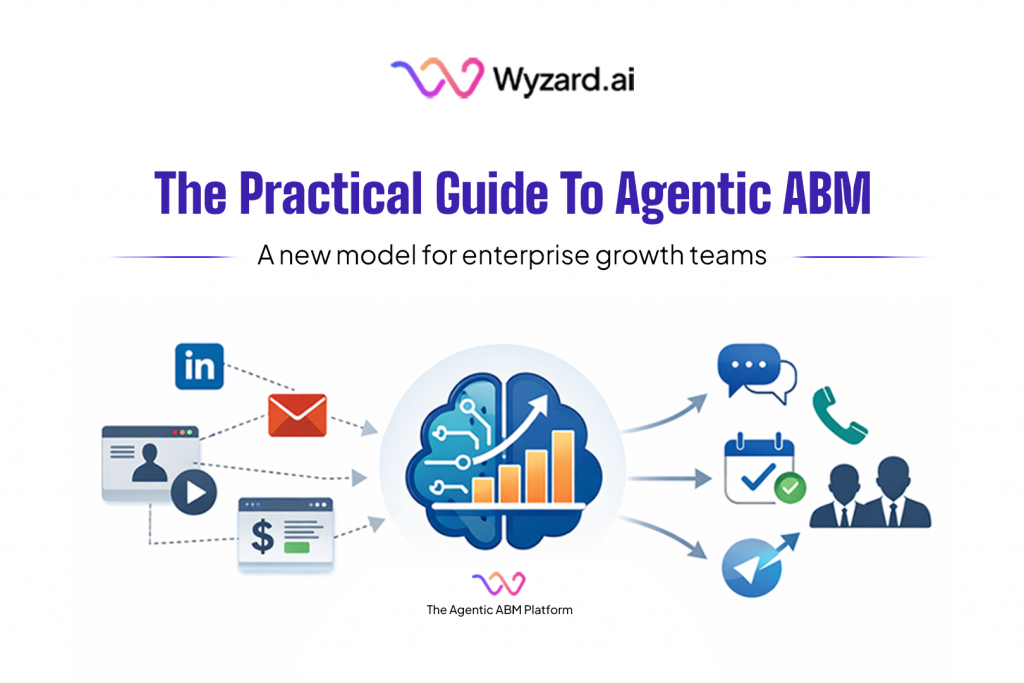
What Is Agentic ABM? A Practical Guide for Enterprise GTM Teams
Enterprise GTM has an action gap. If you are a CMO, this scene is familiar. A target account clicks ...
