 We’ve secured funding to power Signal-to-Revenue AI to GTM teams globally. →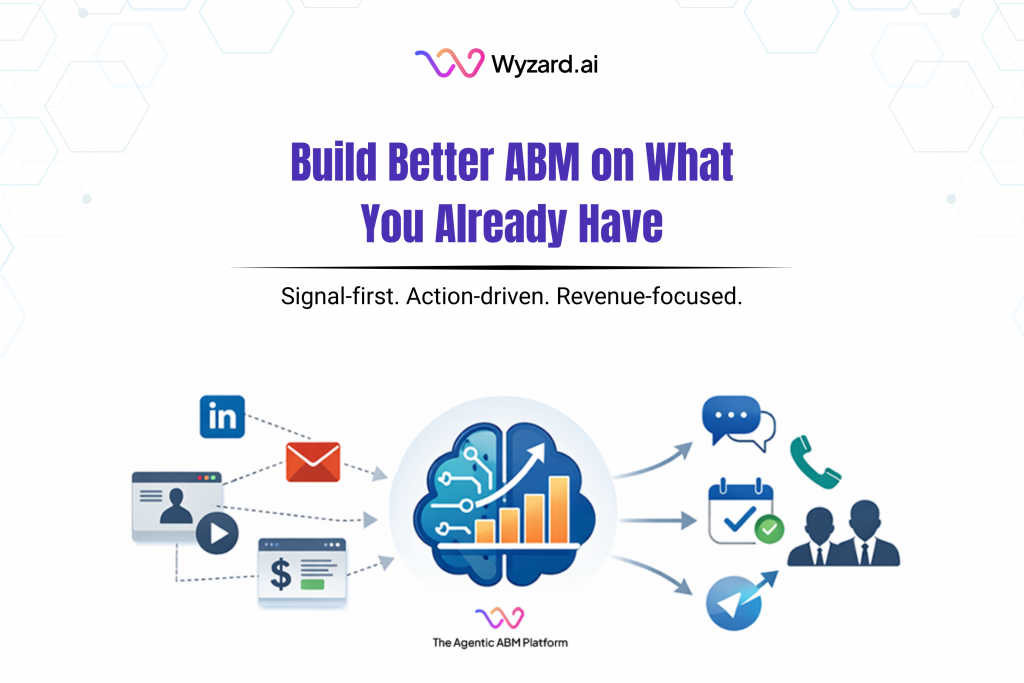
If you are a CMO, this situation feels familiar. Your team has a CRM, marketing automation, paid campaigns, webinars, ...
AI Tools for Paid Marketing: Transform Your Ad Campaigns in 2025
Published
Categorized as Uncategorized
Subscribe Now
Paid marketing teams face a recurring problem: your ads perform, traffic arrives, but conversion rates stall. You’re juggling Google Ads dashboards, Meta campaign managers, and analytics platforms while high-intent visitors slip through the cracks. The gap between click and conversion keeps widening.
Modern AI tools address this disconnect. They automate bid adjustments, generate creative variations, and capture buying signals the moment they appear. For B2B SaaS marketers running multiple campaigns across platforms, these tools eliminate manual bottlenecks that delay response times and waste ad spend.
This guide breaks down the best AI for Google Ads and AI tools for PPC across search and social platforms. You’ll see which tools handle specific tasks from automated bidding to creative generation, and how they fit into your existing marketing stack.
What Makes AI Tools Essential for Paid Marketing?
Traditional paid marketing workflows create delays. You run campaigns, collect data, analyze performance, make adjustments, and wait for results. By the time you optimize, market conditions shift, and buyer intent cools.
AI tools compress this timeline. They monitor campaigns continuously, adjust bids based on real-time signals, and trigger automated responses when prospects show interest. Instead of reviewing weekly reports and planning monthly optimizations, you’re acting on opportunities as they happen.
The shift matters for B2B SaaS companies where buying cycles extend across weeks or months. A prospect visits your pricing page, downloads a resource, or clicks a specific ad. Without immediate follow-up, that signal gets buried in your CRM queue. AI tools capture these moments and orchestrate responses across channels before intent fades.
Key capabilities that define effective AI tools for PPC:
- Real-time monitoring: Track campaign performance and buyer behavior continuously rather than in scheduled reviews
- Predictive adjustments: Modify bids, budgets, and targeting before performance drops based on pattern recognition
- Signal capture: Identify high-intent actions across platforms and trigger immediate engagement
- Cross-channel coordination: Connect search ads, social campaigns, and website interactions into unified workflows
Wyzard.ai operates as your signal-to-revenue orchestration layer. When someone clicks your Google Ad and visits your site, Wyzard.ai’s integrations connect that paid traffic data to automated engagement through Agentic Chat and Email. The platform captures buying signals from your paid campaigns and coordinates responses across your marketing stack without manual intervention.
Best AI Tools for Google Ads Management
Google Ads complexity increases with scale. Managing multiple campaigns across search, display, and shopping requires constant attention to bid strategies, keyword performance, and budget allocation. AI tools handle this operational load while you focus on strategy.
- Opteo: This platform monitors your Google Ads accounts continuously and surfaces specific optimization opportunities. Instead of generic recommendations, you get actionable suggestions with one-click implementation. The tool analyzes account history, seasonal patterns, and competitive factors before suggesting changes.
- Optmyzr: Built for agencies managing client accounts at scale, Optmyzr automates repetitive optimization tasks across portfolios. The platform handles bid management, keyword expansion, and quality score improvements. You set strategic parameters, and the AI maintains performance within those guardrails.
- Blobr.io: This tool positions itself as an AI audit system that reviews your campaigns continuously. It processes search term data, identifies wasted spend, and generates ready-to-upload optimization files. The bulk editing capabilities save hours of manual spreadsheet work.
These tools share a common strength: they reduce the time between identifying problems and implementing fixes. Traditional workflows require exporting data, analyzing spreadsheets, making decisions, and uploading changes. AI automation compresses these steps into automated processes that run continuously.
However, automation creates dependency. When you delegate optimization decisions to AI, you need visibility into what changes occurred and why. The best AI for Google Ads provides clear documentation of actions taken so you maintain strategic control.
AI Tools for PPC Creative and Testing
Creative production bottlenecks limit testing velocity. Designing ad variations, writing copy alternatives, and producing video content takes time. By the time creative teams deliver new assets, market conditions may have shifted.
AI creative tools accelerate this process, though with varying quality levels. Understanding their strengths and limitations helps you deploy them effectively.
- AdCreative.ai: Generates display ad variations by combining your product images with different backgrounds, layouts, and copy arrangements. The output quality works for rapid testing but rarely produces breakthrough creative. Best used when you need volume over originality.
- Pencil: Analyzes your top-performing creative assets and generates new variations based on identified patterns. The tool learns from your specific account data rather than generic templates. This approach produces more relevant variations than tools working from scratch.
- Arcads and Creatify: Both platforms generate video ads using AI avatars. The technology hasn’t reached photorealistic quality; viewers can tell these aren’t real people. However, for testing video concepts quickly before investing in professional production, they serve their purpose.
- Descript: Handles video editing through text manipulation. Upload a video, receive a transcript, edit by deleting or rearranging text, and the video updates automatically. The time savings on basic edits justify the learning curve.
Creative AI tools work best as amplifiers rather than replacements. Use them to test multiple variations quickly, identify winning concepts, then invest in professional production for scaled campaigns. The AI handles volume and speed; humans provide strategic direction and quality control.
When prospects respond to your creative and visit your site, Wyzard.ai’s marketing features capture that intent signal. The platform connects ad engagement to real-time conversations, ensuring creative investments translate into actual pipeline opportunities rather than vanishing into anonymous traffic metrics.
Campaign Automation and Optimization Platforms
Managing campaigns across Google Ads, Meta, and LinkedIn creates operational complexity. Each platform has distinct interfaces, optimization approaches, and performance metrics. Automation tools provide unified control layers.
- Revealbot (now Birch): Creates complex conditional rules across Meta, Google, and TikTok campaigns. You define logic like “if cost per acquisition exceeds target by 40% over three days and spend surpasses $500, reduce budget by 25%.” The platform executes these rules continuously without manual monitoring.
The power comes with risk. Poorly configured automation rules can damage campaigns quickly. Start with conservative rules, monitor results closely, and expand automation gradually as you understand platform behavior.
- Madgicx: Focuses specifically on Meta advertising with AI-driven budget optimization. The platform analyzes audience segment performance and redistributes spend toward winning combinations automatically. For companies running significant Meta budgets, this optimization happens faster than manual adjustments.
These platforms reduce repetitive decision-making but require strategic oversight. Automation handles tactical execution; you provide the strategic framework defining acceptable performance boundaries.
Conversion Optimization and Landing Page Tools
Your ad performance connects directly to post-click experiences. Sending traffic to generic landing pages wastes creative and targeting investments. Personalization tools align landing experiences with ad messaging.
| Tool | Primary Function | Best Use Case | Price Range |
| Unbounce | Dynamic landing page content | Matching pages to search keywords | $74+/month |
| Fibr.ai | Automated page personalization | Creating variations for each ad | $239+/month |
| Wisepops | On-site engagement and recovery | Cart abandonment and email capture | $49+/month |
| Landing Rabbit | AI-generated landing pages | Rapid iteration based on context | $39+/month |
- Unbounce Smart Traffic: Analyzes visitor behavior in real-time and routes users to landing page variations most likely to convert them. The system learns from each interaction, improving accuracy over time. The feature works particularly well for search campaigns where message matching impacts quality scores.
- Fibr.ai: Creates personalized landing pages matching your ad copy automatically. Instead of sending all traffic to one generic page, the platform generates variations reflecting specific keywords, audiences, or creative messages. Setup happens quickly through platform integrations.
These tools address a fundamental paid marketing problem: you invest in targeting and creative to reach specific audience segments, then send everyone to identical landing pages. Personalization tools extend targeting precision through the entire funnel.
WyzSignals from Wyzard.ai captures behavior patterns on these landing pages and connects them to engagement workflows. When someone spends time on your pricing page or downloads a resource, the platform triggers personalized follow-up matching their demonstrated interests.
Attribution and Analytics Solutions
Understanding which campaigns drive revenue requires tracking beyond platform-native metrics. iOS privacy changes and cookie restrictions created attribution gaps. AI analytics tools reconstruct customer journeys using first-party data.
- Triple Whale: Built for e-commerce attribution challenges, this platform combines data from multiple ad platforms with conversion data to show actual revenue impact. The algorithmic modeling isn’t perfect, but it provides more accurate pictures than individual platform reports.
- Adzviser: Connects marketing data sources and lets you query performance using natural language. Instead of building dashboards or writing SQL, you ask “which campaigns drove the most qualified leads last month?” and receive answers pulled from connected accounts.
These tools solve the fundamental question: which marketing investments actually generate revenue? Platform metrics show clicks, impressions, and attributed conversions, but they don’t reveal true ROI when customers interact with multiple touchpoints before converting.
For B2B SaaS companies with extended sales cycles, attribution complexity multiplies. A prospect might click a LinkedIn ad, visit from organic search, download a resource through email, and convert after a sales call. Understanding which touchpoints influenced the outcome requires sophisticated tracking.
Click Fraud Prevention Tools
Fraudulent clicks waste ad budgets through bot traffic, competitor clicks, and other malicious activity. Platforms provide some protection, but dedicated fraud prevention tools offer deeper detection.
- Lunio AI: Monitors click patterns in real-time and blocks traffic identified as fraudulent. The system analyzes behavior signals indicating bot activity or coordinated clicking. You’ll see specific fraud patterns in reporting, showing exactly what threats the platform blocked.
- Traffic Guard AI: Handles more sophisticated fraud detection for larger advertisers. The platform identifies coordinated bot networks and advanced click farms that simpler tools miss. Pricing scales with ad spend, making it viable primarily for accounts spending significantly on paid campaigns.
Click fraud affects campaign performance subtly. Your click-through rates appear healthy, but conversion rates disappoint. Budget depletes on worthless traffic while legitimate prospects don’t see your ads due to budget caps. Fraud prevention tools protect your investment from these invisible drains.
How Wyzard.ai Fits Your Paid Marketing Stack
The tools covered handle specific optimization tasks: bidding, creative, fraud prevention, and attribution. But they operate within their lanes. Someone clicks your Google Ad, another tool serves a personalized landing page, analytics platforms track the conversion, and then… what happens to that signal?
This is where most paid marketing stacks break down. The person showed high intent by clicking your ad and visiting specific pages. But unless they fill out a form immediately, that signal sits in your analytics dashboard while they consider options. By the time your team follows up (if they follow up), the buying moment passed.
Wyzard.ai solves this orchestration gap. The platform captures signals from your paid campaigns: ad clicks, landing page visits, and content engagement, and triggers immediate responses through Agentic Chat, Email, and InMail. Instead of signals generating dashboard data for weekly reviews, they create revenue opportunities through instant engagement.
The platform connects your existing tools rather than replacing them. Your Google Ads still run through Google, creative tools still generate assets, and fraud prevention still blocks bad traffic. Wyzard.ai adds the missing layer: capturing buying signals as they occur and coordinating responses before intent cools.
Ready to connect your paid campaigns to revenue outcomes? Wyzard.ai captures buying signals from your ad traffic and orchestrates immediate responses across channels. See how signal-to-revenue AI transforms campaign performance by exploring Wyzard.ai’s platform.
FAQs
What is the best AI for Google Ads optimization?
Opteo and Optmyzr lead for Google Ads management. Opteo provides continuous monitoring with one-click optimization suggestions, while Optmyzr handles complex automation across large account portfolios. Choose based on your scale: Opteo for individual accounts, Optmyzr for agencies managing multiple clients.
How do AI tools for PPC improve campaign performance?
These tools compress the optimization cycle from weeks to minutes. They monitor campaigns continuously, identify performance patterns, adjust bids automatically, and trigger responses to buying signals in real-time. This speed eliminates delays between identifying problems and implementing solutions.
Can AI tools replace human marketers in paid advertising?
No. AI tools handle repetitive optimization and data analysis, but strategic decisions require human judgment. Use AI to eliminate manual tasks, so you focus on creative strategy, audience insights, and campaign planning.
Do AI creative tools produce professional-quality ads?
They generate usable variations for testing, but rarely match professional creative quality. Use AI creative tools for rapid concept testing, then invest in professional production for winning concepts you plan to scale.
Other blogs
The latest industry news, interviews, technologies, and resources.
March 30, 2026
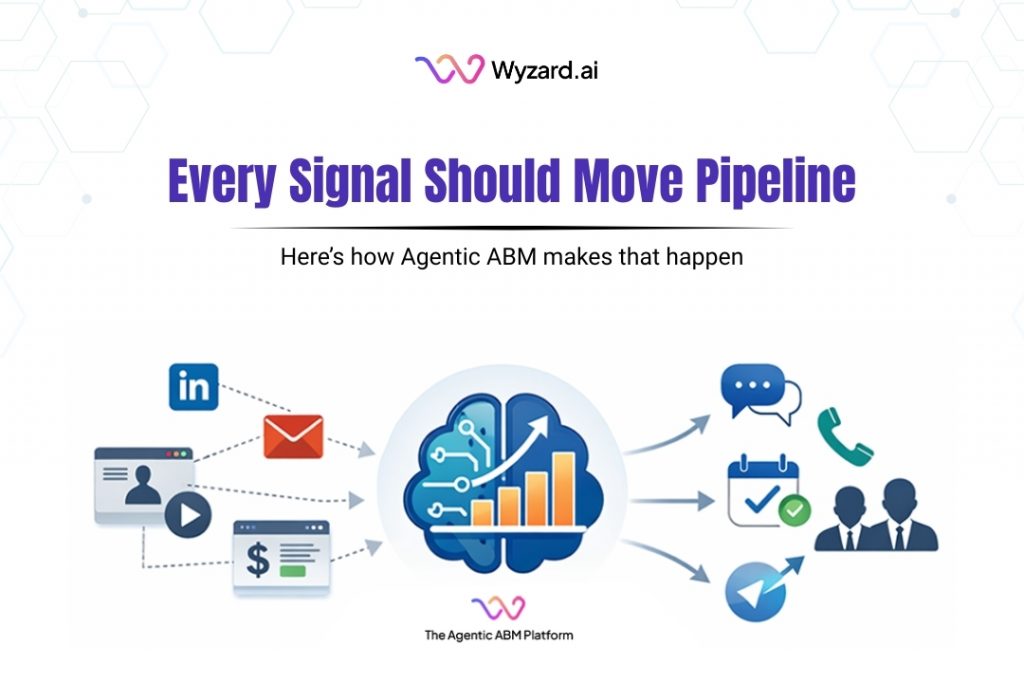
The Signal-to-Revenue Blueprint for Agentic ABM
A CMO reviews the weekly dashboard and sees strong activity. A target account clicked a LinkedIn ad. Another stakeholder ...

March 27, 2026
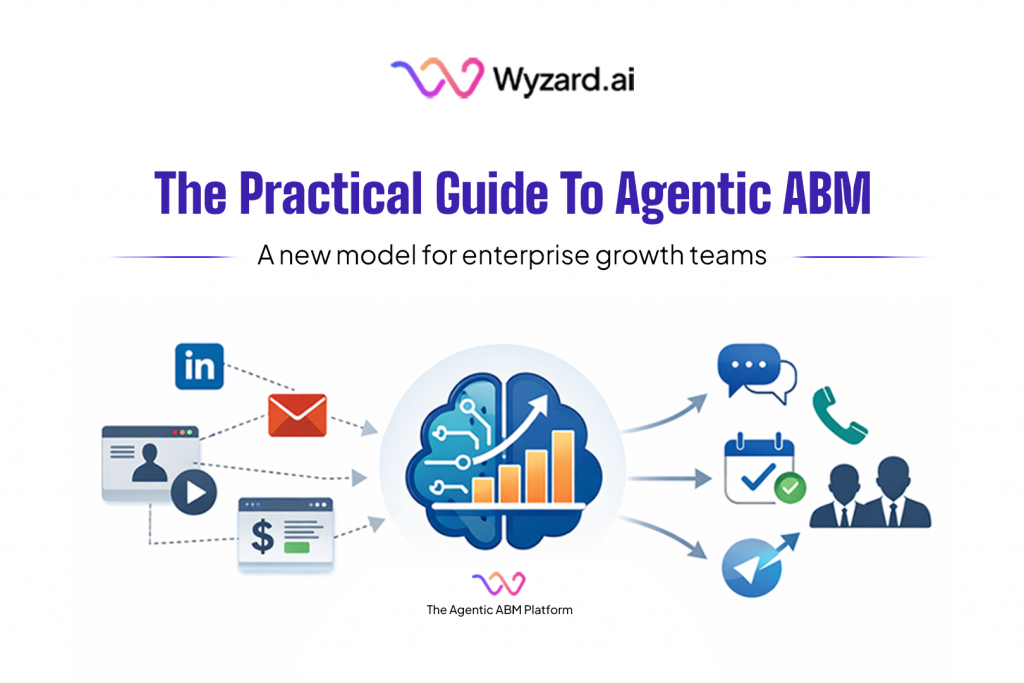
What Is Agentic ABM? A Practical Guide for Enterprise GTM Teams
Enterprise GTM has an action gap. If you are a CMO, this scene is familiar. A target account clicks ...
