 We’ve secured funding to power Signal-to-Revenue AI to GTM teams globally. →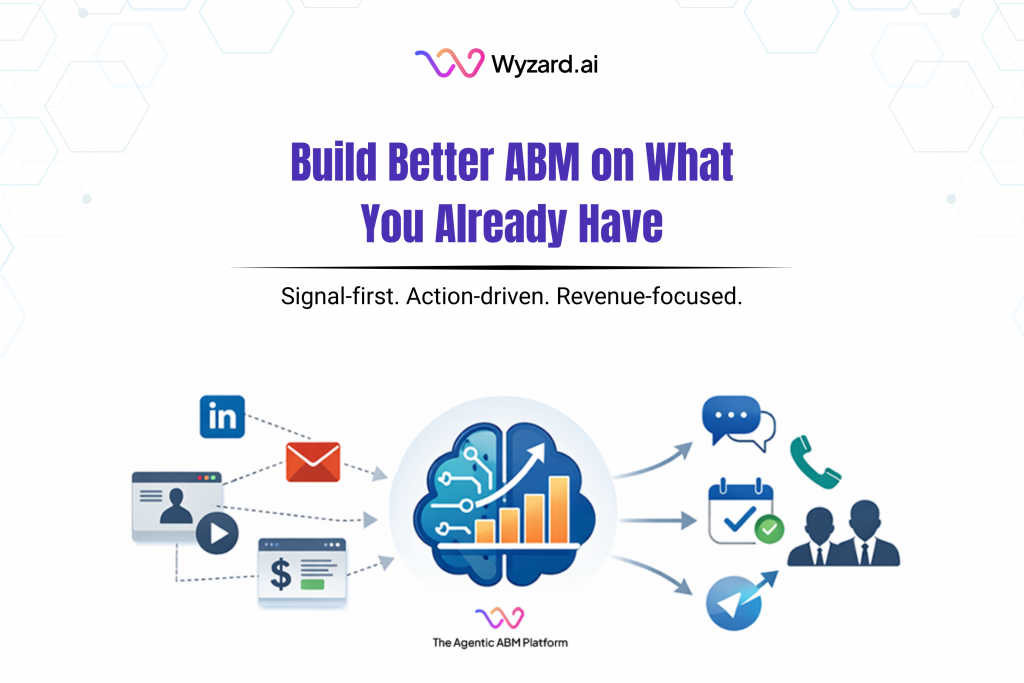
If you are a CMO, this situation feels familiar. Your team has a CRM, marketing automation, paid campaigns, webinars, ...
AI Tools for LinkedIn: Turn Platform Activity Into Revenue Opportunities
Published
Categorized as Uncategorized
Subscribe Now
Your team spends hours on LinkedIn every week: posting content, messaging prospects, and tracking engagement. Yet somehow, the hottest leads slip through because someone commented on a competitor’s post at 2 PM on Tuesday, and nobody noticed until Friday.
This isn’t a people problem. It’s a signal problem.
B2B SaaS marketers are drowning in scattered buyer intent signals across LinkedIn. A prospect downloads your white paper, engages with your post, then goes silent. Your SDRs manually track these interactions in spreadsheets. By the time someone follows up, that prospect has already moved to evaluation with a competitor.
LinkedIn AI tools solve this exact problem, they capture buying signals the moment they happen and turn platform activity into a qualified pipeline. For mid-market SaaS teams running lean, these tools automate the repetitive work that traditionally required three more headcounts. The question isn’t whether to use AI on LinkedIn anymore. It’s which tools actually deliver pipeline efficiency without turning your outreach into obvious automation.
Best LinkedIn AI Tools for Content Creation
Content consistency drives LinkedIn growth, but producing daily posts crushes bandwidth. AI writing assistants trained specifically on LinkedIn’s algorithm help maintain visibility without burning out your marketing team.
Taplio
It analyzes 500M+ LinkedIn posts to understand what content performs. The platform generates post ideas based on trending topics in your industry, suggests optimal posting times, and creates carousel templates that typically see 3x higher engagement than text posts.
For teams managing multiple executive profiles, Taplio’s workspace feature lets you maintain distinct voices across different leaders while scheduling from one dashboard. Pricing starts at $39/month, positioning it as an affordable option for small marketing teams.
Supergrow
It focuses on learning your specific writing style rather than producing generic AI content. Upload 10-15 of your best-performing posts, and the AI mimics your tone, sentence structure, and topic preferences. This approach solves the “this obviously sounds like AI” problem that tanks engagement.
The platform also repurposes long-form content, turning webinars or blog posts into LinkedIn-ready formats. At $19/month for the starter plan, it’s one of the more budget-friendly options while still maintaining authenticity.
Canva
It might seem like just a design tool, but its AI features specifically target LinkedIn content needs. The Magic Design feature converts rough ideas into professional graphics optimized for LinkedIn’s feed dimensions. For teams without dedicated designers, this eliminates the bottleneck of waiting days for visual assets. The free plan handles basic needs, while the Pro plan at $12.99/month unlocks brand kits and team collaboration features.
| Tool | Primary Strength | Best For | Starting Price |
| Taplio | Algorithm-trained content suggestions | Teams needing data-driven post ideas | $39/month |
| Supergrow | Voice matching and style learning | Maintaining authentic personal brands | $19/month |
| Canva | Visual content creation | Teams without design resources | Free / $12.99/month Pro |
The real value in these tools isn’t just saving time, it’s maintaining a consistent presence. CMOs report that regular LinkedIn activity from company executives drives 5-7x more website traffic than company page posts alone. AI tools make that consistency actually sustainable.
LinkedIn AI Tools for Lead Generation
Content creates visibility, but lead generation requires identifying who’s showing buying intent right now. Traditional lead gen pulls from static databases where contact information is six months old. Modern LinkedIn AI tools track real-time behavioral signals that indicate active interest.
Trigify
It monitors LinkedIn for engagement patterns that predict buying intent. When someone comments on your competitor’s post about solving the exact problem your product addresses, Trigify flags them immediately. The platform tracks key account activity, competitor mentions, and engagement with industry thought leaders.
This turns LinkedIn from a networking platform into an early warning system for hot prospects. Teams using intent-based outreach report 20-30% response rates compared to 2-5% for traditional cold outreach. Plans start at $149/user/month, reflecting its focus on generating a qualified pipeline rather than just contact lists.
Crystal
It solves the personalization problem at scale. The tool analyzes LinkedIn profiles using the DISC personality framework, then suggests communication approaches tailored to each prospect’s decision-making style. For prospects who prefer data-driven conversations, Crystal recommends leading with statistics and case studies.
For relationship-oriented buyers, it suggests opening with industry insights and peer connections. This level of personalization historically required hours of research per prospect. Crystal automates it in seconds. Pricing begins at $49/month for individual users.
HeyReach
It addresses a different bottleneck, LinkedIn’s strict daily connection limits. The platform rotates outreach across multiple LinkedIn accounts, letting teams reach 1000+ prospects weekly while staying within platform guidelines. The unified inbox consolidates conversations from all accounts, eliminating the context-switching that kills productivity.
For agencies managing outreach across multiple client accounts, this becomes essential infrastructure. At $79/month per sender, it’s positioned for teams serious about scaling LinkedIn prospecting.
These tools work differently from traditional lead generation. Instead of buying lists and hoping 2% respond, they identify people already showing interest in your space. Wyzard.ai’s WyzSignals takes this further by tracking buyer signals across your entire digital presence, not just LinkedIn, then orchestrating immediate responses through the right channels.
AI Tools for LinkedIn Outreach Automation
Identifying leads means nothing if follow-up takes three days. Outreach automation ensures responses happen while prospects still remember why they engaged with your content.
Expandi
It runs cloud-based campaigns that mirror human behavior patterns. Unlike browser-based automation that requires keeping your computer running, Expandi operates independently. The platform includes smart sequences with conditional logic, if a connection request gets accepted, the follow-up message changes based on that interaction.
It also enables image and GIF personalization, adding visual elements that increase response rates by 15-20% according to user reports. The safety-first approach includes automatic warm-up sequences and throttling to avoid LinkedIn restrictions. Pricing starts at $99/month.
LinkedRadar
It simplifies outreach for smaller teams. It generates AI-powered connection messages and icebreakers based on profile data, blending LinkedIn and email outreach into unified workflows. The basic contact management features help track conversations without requiring a full CRM setup.
This positions it well for founders and consultants running their own outreach. At $19/month, it’s significantly more affordable than enterprise automation platforms while handling the core automation needs most growth-stage companies require.
The automation debate always surfaces concerns about sounding robotic. The solution isn’t avoiding automation, it’s using it for the repetitive parts while keeping personalization where it matters. Templates handle the structure, but variables pull in specific details about each prospect’s recent activity, company news, or shared connections. Wyzard.ai’s Agentic LinkedIn feature exemplifies this balance, automating response timing while maintaining context-aware personalization that feels genuinely helpful rather than mass-produced.
LinkedIn AI Tools for Profile Optimization
Your profile is often the first touchpoint after someone sees your content or receives your message. A weak profile kills conversion regardless of how good your outreach is.
HeadshotPro
It generates professional photos from casual selfies using AI. Upload 5-7 photos, select your preferred style and background, and receive studio-quality headshots within hours. This matters more than it seems. LinkedIn reports that profiles with professional photos receive 21x more profile views and 9x more connection requests. For teams where executives resist scheduling professional photo shoots, this removes a major friction point. Pricing starts at $29 for 40 headshots.
LinkedIn’s native Premium AI
When editing your headline or About section, the AI generates multiple options based on your experience and target audience. While not as sophisticated as standalone tools, it’s included with Premium subscriptions that many B2B professionals already maintain. The value is convenience, optimization suggestions appear directly in the editing interface rather than requiring a separate workflow.
Profile optimization extends beyond aesthetics. Wyzard.ai’s WyzEnrich capability automatically enriches prospect profiles with firmographic and technographic data, helping your team understand exactly who you’re connecting with before starting conversations. This intelligence layer transforms profile views from basic networking into strategic research.
How AI Tools Integrate Into Your Revenue Stack
Individual tools solve specific problems, but real efficiency comes from integration. The strongest LinkedIn AI strategies connect platform activity to existing CRM, marketing automation, and sales engagement tools.
Modern GTM platforms prioritize integration over isolated features. When someone engages with your LinkedIn content, that signal should flow directly into your CRM as a behavioral data point. If they visit your website within 24 hours, your sales team should see both activities in a unified timeline. This requires tools that actually talk to each other.
Wyzard.ai’s integration ecosystem demonstrates this approach. Rather than replacing your existing tools, it acts as the orchestration layer that connects buyer signals from LinkedIn to automated responses through email, chat, and InMail. When a prospect shows interest through multiple channels, liking your LinkedIn post, visiting your pricing page, or opening your follow-up email, Wyzard.ai recognizes the pattern and triggers appropriate next steps without manual intervention.
The integration question matters because scattered tools create the same problem they’re supposed to solve. If your content tool, lead gen platform, and outreach automation don’t connect, your team still manually bridges gaps. Look for platforms that offer native integrations with your existing stack or robust API access for custom workflows.
Avoiding Common LinkedIn AI Tool Mistakes
Teams implementing LinkedIn AI tools typically hit three predictable problems: over-automation that tanks authenticity, scattered tools that don’t connect, and measurement that tracks vanity metrics instead of pipeline impact.
The first mistake shows up in obviously automated outreach. Messages that reference “your recent post” without specifying which post, or connection requests that praise “your impressive background” in identical phrasing across hundreds of prospects. LinkedIn’s algorithm actively demotes content and limits accounts showing these patterns. The solution isn’t avoiding automation, it’s ensuring variable fields pull real data and messages demonstrate actual awareness of the recipient’s situation.
Tool sprawl creates the second problem. Marketing teams adopt a content scheduler, then add a separate lead gen tool, then layer on outreach automation. Each tool requires different logins, separate workflows, and manual data transfers between systems. Productivity gains from individual tools get consumed by integration overhead. Consolidation matters, fewer, more powerful platforms typically outperform patchwork solutions.
FAQs
What makes LinkedIn AI tools different from general social media automation?
LinkedIn AI tools are specifically trained on professional networking patterns and B2B buyer behavior. They understand the difference between engagement that indicates buying intent versus casual interaction, something generic social tools miss entirely.
Can AI tools get my LinkedIn account restricted?
Poorly configured automation that ignores LinkedIn’s usage limits creates risk. Tools like HeyReach and Expandi include built-in safety features: warm-up sequences, throttling, and human-like behavior patterns, that significantly reduce restriction risk when used properly.
How do these tools handle personalization at scale?
Modern platforms use variable fields that pull specific data about each prospect, recent posts they’ve engaged with, company news, shared connections. The structure is templated, but the details are genuinely personal. This differs from older automation that just inserted first names into identical messages.
Which LinkedIn AI tool should I start with?
Start with your biggest bottleneck. If content consistency is the issue, begin with writing assistants like Supergrow. If you’re losing leads due to slow response times, prioritize intent monitoring tools like Trigify. Trying to implement everything simultaneously typically fails.
Do I need LinkedIn Premium or Sales Navigator to use these tools?
Not always. Many tools work with free LinkedIn accounts, though some features (like HeyReach’s campaign capabilities) deliver better results when paired with Sales Navigator’s advanced search and filtering options.
Other blogs
The latest industry news, interviews, technologies, and resources.
March 30, 2026
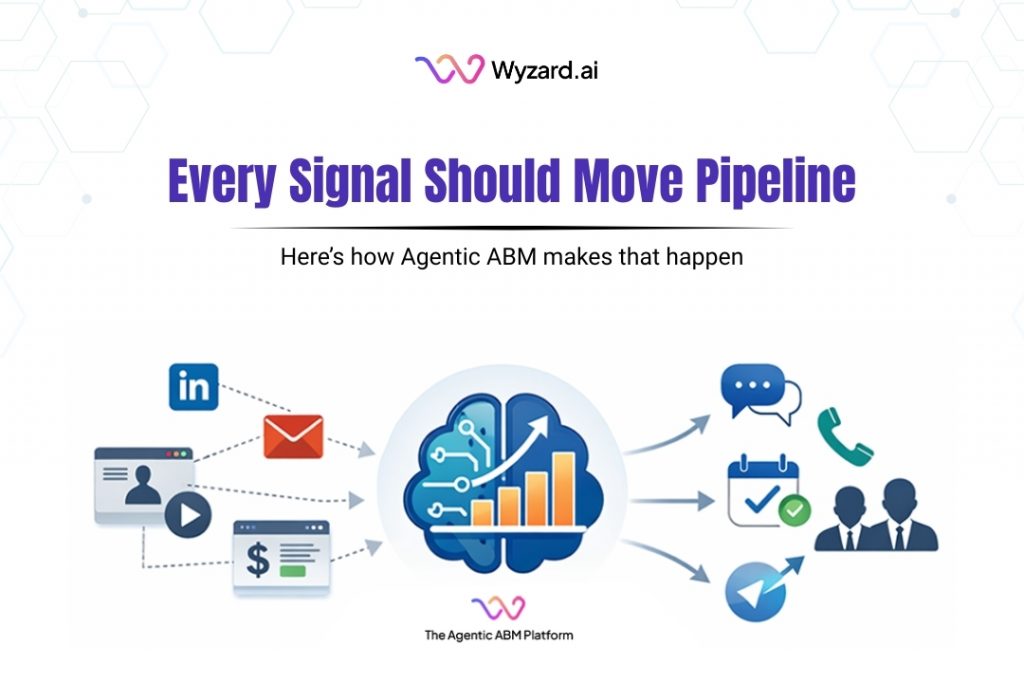
The Signal-to-Revenue Blueprint for Agentic ABM
A CMO reviews the weekly dashboard and sees strong activity. A target account clicked a LinkedIn ad. Another stakeholder ...

March 27, 2026
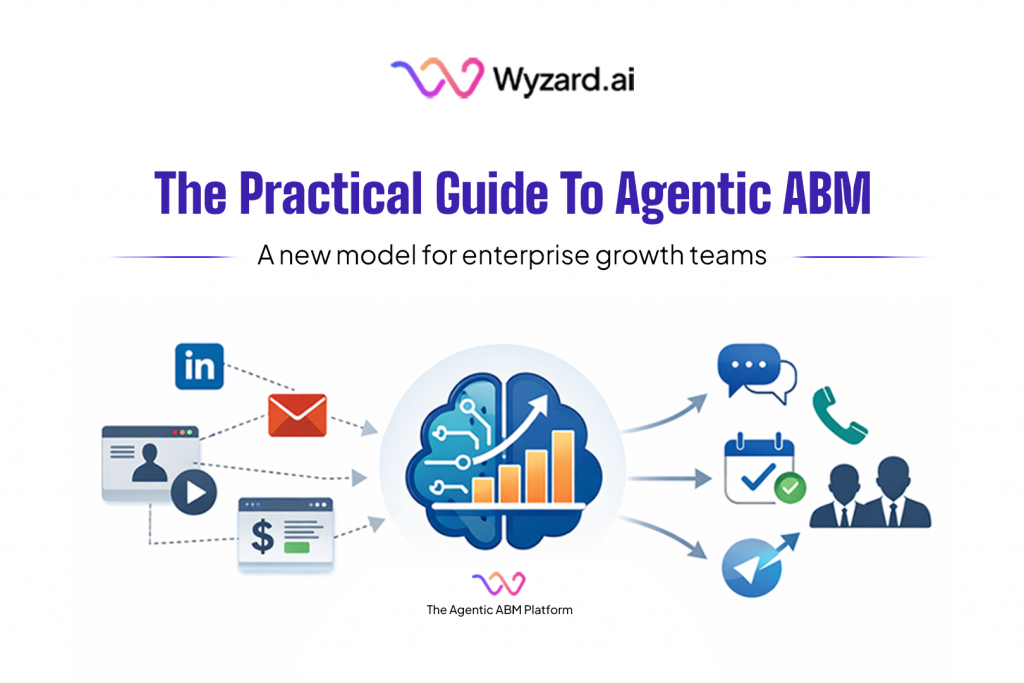
What Is Agentic ABM? A Practical Guide for Enterprise GTM Teams
Enterprise GTM has an action gap. If you are a CMO, this scene is familiar. A target account clicks ...
