 We’ve secured funding to power Signal-to-Revenue AI to GTM teams globally. →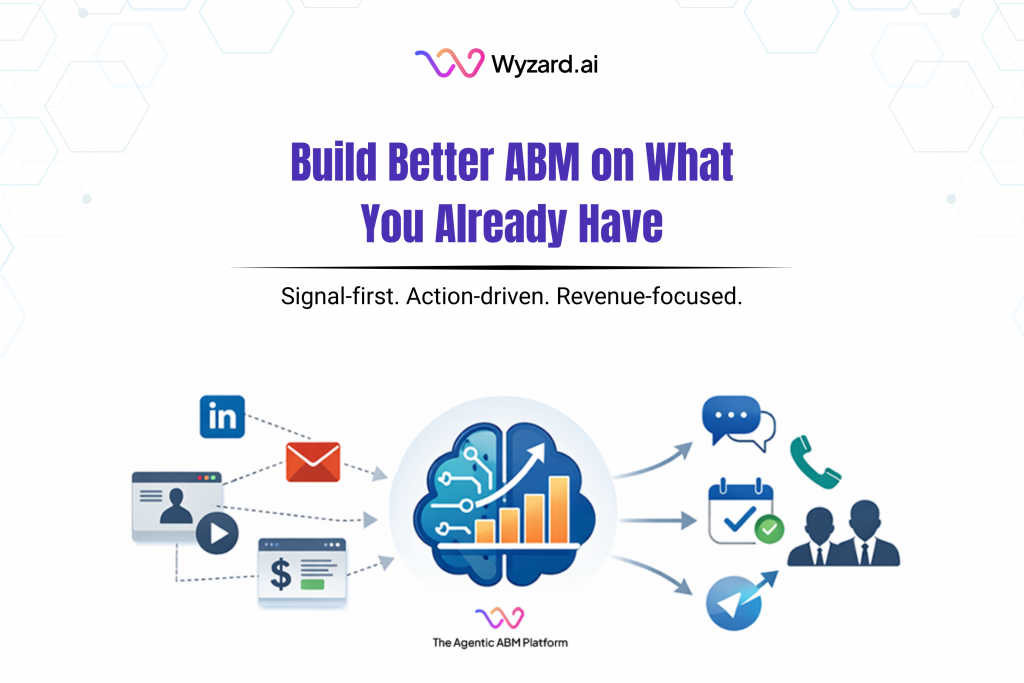
If you are a CMO, this situation feels familiar. Your team has a CRM, marketing automation, paid campaigns, webinars, ...
Subscribe Now
Sales teams are drowning in data while leads slip through the cracks. You’re juggling spreadsheets, chasing down contact info, and losing deals because someone else responded faster. Sound familiar?
AI tools for sales flip this script entirely. They capture every buyer signal the moment it happens, automate the grunt work that eats your day, and help you respond while prospects are still interested. No more guessing which leads matter or wasting hours on manual research.
This guide breaks down the best AI sales tools that actually move the needle. We’re talking platforms that help you find qualified prospects, personalize outreach at scale, and close deals before competitors even know the opportunity exists.
Why Sales Teams Need AI Tools Now
Your prospects expect instant, relevant responses. They’re researching solutions, comparing options, and making decisions faster than ever. Traditional sales processes can’t keep up with this speed.
AI tools for sales solve three critical problems. First, they eliminate the hours spent on data entry, list building, and manual research. Second, they capture buying signals from multiple channels simultaneously: website visits, email opens, and content downloads, so nothing falls through the cracks. Third, they enable personalized engagement at scale, so every prospect feels like your only prospect.
The gap between teams using AI and those still working manually grows wider every quarter. It’s not about working harder; it’s about working with intelligence built into your workflow.
Best AI Tools for Sales Intelligence and Prospecting
Finding the right prospects separates good salespeople from great ones. These AI tools for sales reps make that process dramatically faster and more accurate.
Apollo.io
It combines a database of over 275 million verified contacts with AI-powered lead scoring. The platform analyzes engagement patterns to rank prospects by likelihood to convert. Sales teams use it to build targeted lists, automate outreach sequences, and track which messages actually get responses. Its AI assistant suggests the best times to reach out and which value propositions resonate with specific industries.
Cognism
It delivers phone-verified B2B contact data with built-in compliance for GDPR and CCPA. The platform’s Cortex AI provides instant company research without manual prompting, just click a button and get relevant insights about business direction, competitors, and growth plans. The Diamond Data feature gives you mobile numbers that actually connect, cutting through gatekeepers. It’s particularly strong for teams targeting EMEA, NAM, and APAC markets simultaneously.
ZoomInfo Copilot
It turns massive B2B databases into actionable intelligence. The AI identifies companies actively researching solutions like yours through intent signals, then suggests personalized outreach based on their tech stack and recent activity. Teams use it to prioritize accounts showing real buying intent rather than cold prospects.
Clay
It automates the tedious research that usually takes hours per lead. It scrapes LinkedIn, company websites, and other sources to build enriched contact lists with verified emails and relevant context about each prospect’s role and responsibilities. The platform connects to your existing tools and keeps data synchronized across systems.
AI Tools for Sales Engagement and Outreach
Getting prospects to actually respond requires more than generic templates. These platforms use AI to craft messages that land.
Lavender
It acts as your real-time email coach, scoring drafts before you hit send. The AI analyzes over one billion emails to suggest improvements in tone, length, and personalization. It tells you exactly why your email might not get opened and how to fix it. Sales reps using Lavender see reply rates jump because the platform catches mistakes humans miss, like emails that sound too salesy or lack clear calls to action.
Regie.ai
generates entire multi-channel campaigns from a single brief. Tell it your target audience and value proposition, and it creates sequences across email, LinkedIn, and phone with messaging tailored to each channel. The AI maintains your brand voice while personalizing for individual prospects. Teams use it to scale outreach without sacrificing quality.
Overloop
specializes in ultra-personalized cold emails at scale. Upload your prospect list or filter through its internal database, and the AI generates unique messages addressing each person’s specific pain points. It manages multi-channel campaigns automatically, ensuring you reach prospects where they prefer to engage.
Best AI Sales Tools for Conversation Intelligence
What happens during calls determines whether deals close or stall. These AI tools for sales automation turn every conversation into a learning opportunity.
Gong.io
records and analyzes every sales call, meeting, and email to identify what actually works. The platform shows you which questions top performers ask, how they handle objections, and which phrases correlate with closed deals. It flags at-risk opportunities by detecting negative sentiment or competitive mentions. Sales managers use Gong to coach reps with real examples instead of generic advice.
Fireflies.ai
It joins your video calls automatically, transcribes everything, and generates searchable summaries. No more frantically taking notes during discovery calls. The AI pulls out key action items, pricing discussions, and customer concerns. It syncs these insights directly to your CRM, so nothing gets lost between meetings.
Dialpad
provides live coaching cards during active calls. When a prospect mentions a competitor or raises a pricing objection, the AI instantly shows your rep the best response based on successful past conversations. It’s like having your best coach whispering suggestions in real-time.
AI-Powered CRM Platforms
Your CRM should work for you, not the other way around. These platforms use AI to turn data into decisions.
HubSpot Sales Hub
includes Breeze AI, which automates lead scoring based on behavior patterns and demographic data. It drafts follow-up emails, summarizes long email threads, and predicts which deals will close this quarter. The platform automatically logs activities and syncs with your calendar, eliminating manual data entry. For teams that want powerful AI without enterprise complexity, HubSpot delivers the right balance.
Salesforce Sales
Cloud with Einstein Copilot provides predictive forecasting and recommends the next best action for every deal. The AI analyzes your entire pipeline to identify which opportunities need attention and what specific steps will move them forward. It generates personalized sales emails and automates routine tasks, so reps spend more time actually selling.
Pipedrive
It uses AI to identify “rotting” deals, opportunities sitting idle for too long. The AI Sales Assistant suggests specific actions to revive them, from sending a follow-up email to scheduling a demo. It prioritizes your daily tasks based on which activities historically lead to closed deals.
Connecting Tools with Signal-to-Revenue Intelligence
Most sales teams use multiple tools that don’t talk to each other. You capture a signal in your marketing automation platform, but by the time it reaches your CRM and a rep notices, the prospect has moved on.
Wyzard.ai’s buyer signal intelligence solves this orchestration problem. Instead of replacing your existing tools, it connects them into a unified system that captures every buying signal instantly: website visits, email responses, content downloads and triggers the right action automatically.
When a prospect shows high intent, Wyzard.ai doesn’t just create a task or send an alert. Its Agentic Email and Agentic InMail features respond immediately with relevant, personalized messages that match where prospects are in their journey. The platform works with your current tech stack through seamless integrations, whether you’re using HubSpot, Salesforce, or specialized tools.
For marketing teams, this means no more leads going cold because sales couldn’t follow up fast enough. For sales teams, it means every conversation starts with complete context about what the prospect cares about right now.
Maximizing Your Sales AI Investment
| Tool Category | Primary Benefit | Best For |
| Prospecting Platforms | Find qualified contacts faster | Building targeted lead lists |
| Email Optimization | Increase reply rates | Outbound campaigns |
| Conversation Intelligence | Improve win rates | Coaching and deal reviews |
| AI-Powered CRMs | Automate data management | Reducing admin work |
| Signal Intelligence | Capture intent in real-time | Converting warm leads |
Implementing AI tools for sales requires strategy, not just software purchases. Start by identifying your biggest bottleneck. Is it finding qualified prospects? Writing emails that get responses? Understanding why deals stall?
Pick one category and master it before adding more tools. Teams that try to implement five platforms simultaneously end up with adoption problems and wasted licenses. Choose tools that integrate with your existing systems, disconnected platforms create more work instead of reducing it.
Focus on tools that provide measurable outcomes. Can you track reply rates before and after? Are more deals moving to closed-won? Is time spent on admin actually decreasing? If a tool can’t demonstrate a clear impact within 90 days, reconsider whether it fits your workflow.
Turning Every Signal into Revenue
The best AI sales tools share one characteristic: they eliminate the gap between buyer intent and seller response. Prospects are researching solutions right now. They’re reading content, visiting websites, and opening emails. Each action is a signal that they’re potentially ready to buy.
Traditional sales processes lose these moments because humans can’t monitor everything simultaneously and respond instantly. AI tools capture these signals across channels, analyze them for genuine intent, and trigger appropriate actions automatically.
The teams winning in 2026 aren’t necessarily the ones with the biggest budgets or the most reps. They’re the ones who respond when prospects are actually paying attention. They personalize at scale. They prioritize based on data instead of gut feel.
Whether you start with prospecting tools, conversation intelligence, or a unified platform like Wyzard.ai that orchestrates everything, the goal stays the same: turn buying signals into closed deals before your competitors even know the opportunity exists.
FAQs
What are the best AI sales tools for automation?
The best AI sales tools for automation include HubSpot Sales Hub for automated lead scoring and email sequences, Apollo.io for outreach automation, and Wyzard.ai for capturing buyer signals and triggering instant responses. These platforms eliminate manual tasks like data entry, follow-ups, and lead prioritization, letting sales teams focus on actual conversations.
How do AI tools for sales reps improve productivity?
AI tools for sales reps automate time-consuming tasks like contact research, email drafting, and CRM updates. They also provide real-time coaching during calls and prioritize leads based on buying intent. This typically saves reps 2-3 hours daily that can be redirected toward high-value selling activities.
Can AI sales tools integrate with existing CRMs?
Yes, most AI sales tools offer native integrations with major CRMs like Salesforce, HubSpot, and Pipedrive. Platforms like Wyzard.ai connect your entire tech stack to ensure buyer signals captured in one tool automatically trigger actions in others. This eliminates data silos and keeps information synchronized across systems.
What’s the difference between AI prospecting tools and conversation intelligence platforms?
AI prospecting tools like Apollo.io and Cognism help you find and qualify leads before outreach, providing verified contact data and intent signals. Conversation intelligence platforms like Gong.io and Fireflies.ai analyze calls and meetings after they happen to improve messaging and identify deal risks. Most effective sales teams use both categories together.
How quickly can sales teams see results from AI tools?
Most sales teams see measurable improvements within 30-90 days of implementing AI tools. Early wins include higher email reply rates, reduced time on administrative tasks, and better lead prioritization. Revenue impact typically becomes clear after one full sales cycle, as improved efficiency compounds into more closed deals.
Other blogs
The latest industry news, interviews, technologies, and resources.
March 30, 2026
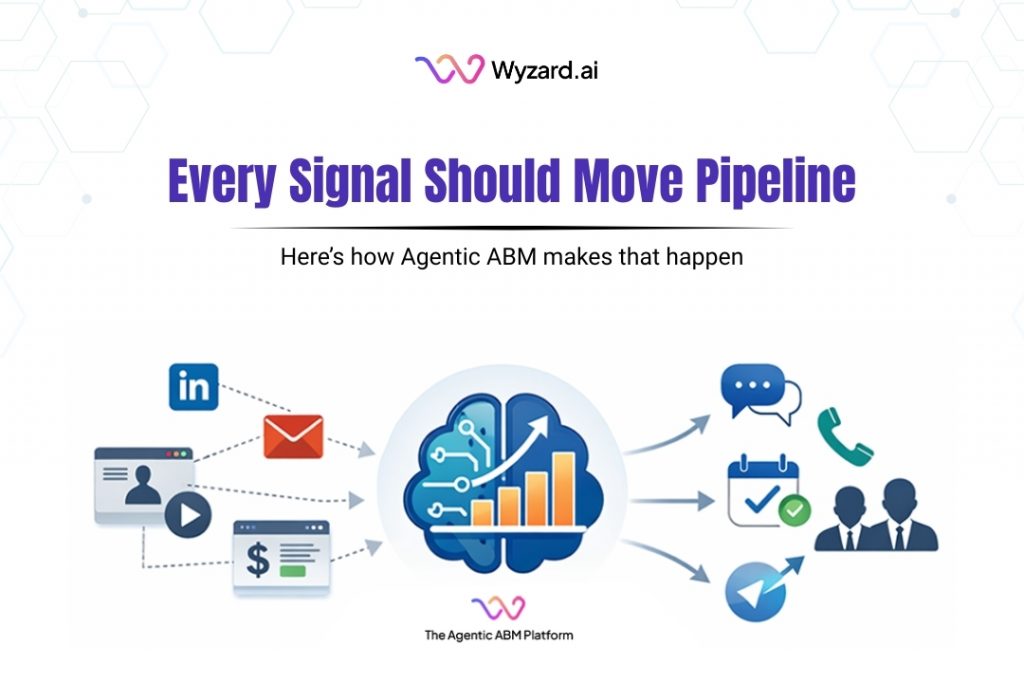
The Signal-to-Revenue Blueprint for Agentic ABM
A CMO reviews the weekly dashboard and sees strong activity. A target account clicked a LinkedIn ad. Another stakeholder ...

March 27, 2026
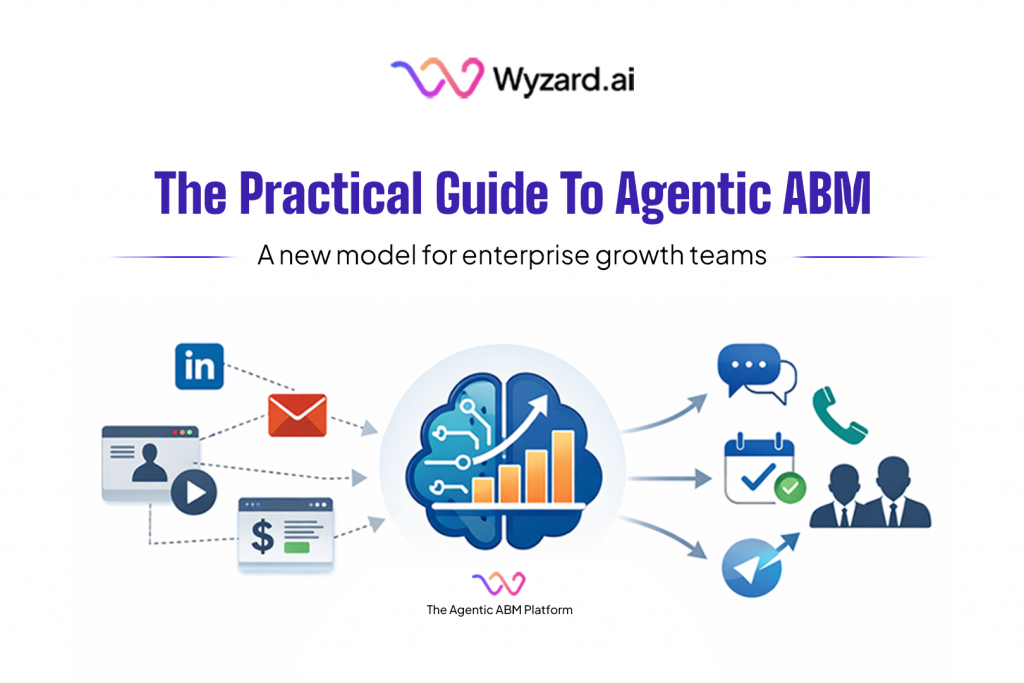
What Is Agentic ABM? A Practical Guide for Enterprise GTM Teams
Enterprise GTM has an action gap. If you are a CMO, this scene is familiar. A target account clicks ...
