 We’ve secured funding to power Signal-to-Revenue AI to GTM teams globally. →
Leads don’t slip away from a lack of traffic. They slip away in the moments right after intent shows ...
Subscribe Now
A CMO signs a new GTM contract with high expectations. The tools look strong. The roadmap feels solid. The vendor promises enablement, best practices, and support. Everyone agrees on goals. Then execution begins and something subtle happens. Activity increases, yet revenue impact feels slower than expected. Follow-ups vary by channel. Accountability feels shared, which often means it is unclear.
This is the moment many CMOs realize the problem is not effort. It is ownership.
This is where outcome ownership reshapes the client-vendor relationship. It turns GTM work from a transactional engagement into a true revenue partnership. It is also the foundation behind Wyzard, the Signal-to-Revenue AI. It captures buyer signals the moment they happen and orchestrates execution across channels so outcomes are owned, not assumed.
Why the Word “Vendor” Breaks Down in Revenue Work
Most GTM relationships start with good intent. Vendors deliver software. Service providers implement workflows. Agencies launch campaigns. The client owns results.
That model works for tools and tasks. It breaks down for revenue.
Revenue depends on what happens after launch. It depends on response speed, follow-up quality, and execution consistency. When those responsibilities remain fragmented, outcomes drift.
Without outcome ownership, no one truly owns pipeline movement. Vendors complete scope. Clients absorb risk. Over time, frustration grows on both sides.
The Limits of the Traditional Client-Vendor Model
In a traditional model, vendors are measured by delivery. Did the system go live? Did the configuration meet requirements? Did support respond on time?
None of these questions answer the one CMOs care about most: did revenue move?
This gap erodes trust. CMOs feel like they are coordinating too many parties. RevOps teams feel stuck translating intent into action. Sales teams feel leads arrive without context.
These cracks are not caused by bad partners. They come from a model that avoids ownership of outcomes.
Why Revenue Stalls Without Outcome Ownership
Revenue stalls when accountability ends at delivery. Strategy can be sound. Tools can work perfectly. Execution still drifts.
Signals arrive from everywhere. A prospect clicks a LinkedIn ad. An account scans a badge at an event. Someone attends a webinar. Another replies to an email. Website visits spike.
If no one owns what happens next, intent fades. Follow-up becomes inconsistent. Opportunities slip quietly.
This is why outcome ownership matters. It ensures someone is accountable for turning signals into action, and action into revenue.
What Outcome Ownership Means in Practice
Outcome ownership is not advice and it is not support. It is not a quarterly review or a dashboard.
It means owning the path from signal to outcome.
That includes:
- owning response standards across channels
- owning follow-up quality and timing
- owning execution health after go-live
- owning continuous improvement when results stall
When ownership exists, accountability becomes clear. When accountability is clear, execution improves.
The Role of a System of Outcomes
A System of Outcomes connects buyer intent to execution and execution to results. It is an operating model, not a feature.
In this system:
- signals trigger actions
- actions produce outcomes
- outcomes inform adjustments
- ownership exists at every step
Without a System of Outcomes, teams react instead of operate. Work gets done, yet revenue feels unpredictable.
This system separates vendors from partners.
Why vendors cannot own outcomes alone
Vendors deliver products. Service providers deliver tasks. Neither is designed to own revenue.
Owning outcomes requires continuous involvement after launch. It requires accountability when execution weakens. It requires staying engaged across channels and moments.
This is why most SaaS vendors and service providers stop short of true outcome ownership. Their model ends at delivery.
A revenue partnership begins where delivery ends.
How the GTM Intelligence Graph Makes Ownership Possible
Outcome ownership depends on context. Context depends on signals.
Buyer intent is distributed across website activity, event scans, webinar attendance, paid campaigns, and email replies. Without unification, execution loses relevance.
The GTM Intelligence Graph connects these signals into a single view. It preserves context across channels so follow-up feels timely and informed. It allows teams to act on intent as it happens, not days later.
This graph is foundational to owning outcomes at scale.
How Wyzard.ai Operates as a Revenue Partner
Wyzard.ai was built to own outcomes, not just enable teams. As the Signal-to-Revenue AI, it connects GTM systems, captures live buyer signals, and orchestrates the next best action across channels with human oversight.
Wyzard.ai’s managed GTM goes beyond setup. It owns execution.
Signals from websites, events, webinars, paid campaigns, and email replies flow into the GTM Intelligence Graph. From there, engagement is orchestrated across chat, email, LinkedIn, and voice.
Behind the scenes, AI GTM Engineers monitor execution health. They inspect response speed, follow-up quality, and play performance. When execution slows or breaks, they intervene before pipeline suffers.
This is what outcome ownership looks like in practice.
What Changes When Clients Have a Revenue Partner
When outcome ownership exists, the relationship changes.
CMOs gain clarity. They know who owns execution. RevOps teams gain focus. They stop acting as translators between tools and teams. Sales teams gain context. Leads arrive with intent and history attached.
Most importantly, trust deepens. Accountability builds confidence. Confidence strengthens the partnership.
This is the difference between a vendor and a revenue partner.
Who Outcome Ownership is Built for
This model is built for CMOs tired of coordinating vendors. It is built for RevOps leaders seeking accountability beyond tickets. It is built for revenue teams that want consistent execution across channels.
As GTM stacks grow more complex, ownership becomes more valuable than features.
Revenue Requires Ownership, Not Vendors
Vendors deliver components. Partners own outcomes.
The future of GTM belongs to teams that demand outcome ownership and partners willing to accept it. Revenue does not move because systems are live. Revenue moves because execution is owned.
Wyzard.ai exists for this shift. As the Signal-to-Revenue AI, we orchestrate every signal into revenue through managed execution led by AI GTM Engineers. We build revenue partnerships grounded in accountability and trust.
If you are ready to move beyond vendors and work with a partner who owns outcomes, book a demo with Wyzard.ai’s and see how managed GTM changes the client-vendor relationship for good.
Other blogs
The latest industry news, interviews, technologies, and resources.
February 23, 2026
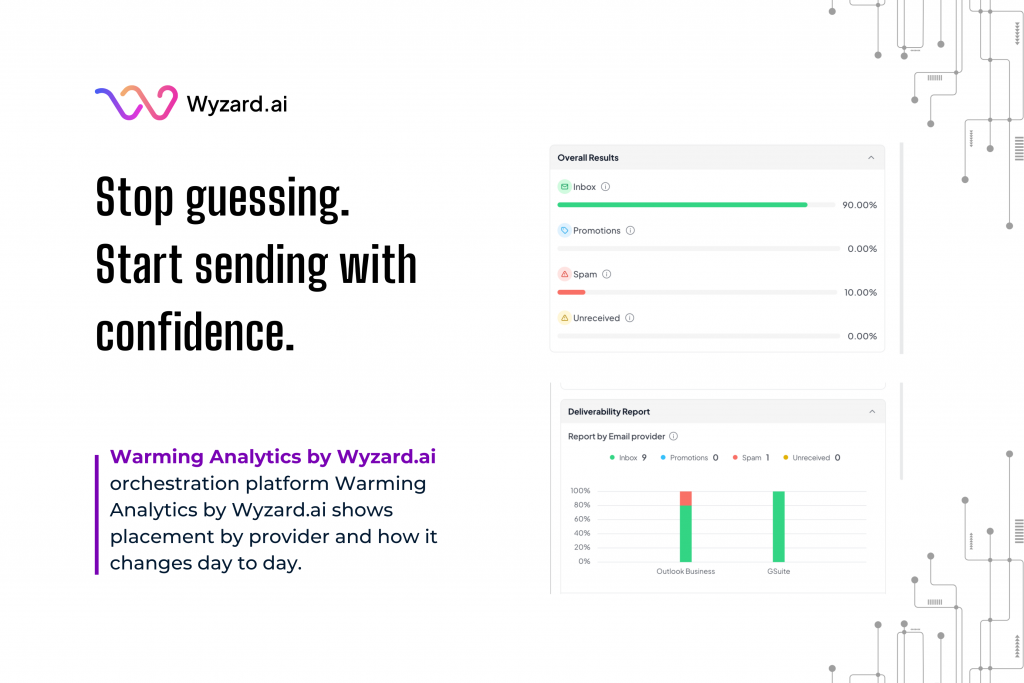
Warming Analytics: Know When a Mailbox Is Ready to Send
Outbound works best when trust stays intact. Many teams ramp up sending, then see replies drop or spam placement ...

February 20, 2026
How To Generate Leads at Events
You spent weeks planning the booth, flew your team across the country, and showed up ready to make an ...
