 We’ve secured funding to power Signal-to-Revenue AI to GTM teams globally. →
Leads don’t slip away from a lack of traffic. They slip away in the moments right after intent shows ...
Subscribe Now
A CMO looks at pipeline numbers and feels uneasy. Demand is coming in. Campaigns are live. Events and webinars are full. Yet revenue momentum feels fragile. Plays launch with energy, then quietly lose steam. By the time a quarterly review arrives, the story is already written.
This is not a strategy failure. It is a cadence failure.
This is where revenue standups become one of the most underused growth levers in modern GTM. It is also where Wyzard, the Signal-to-Revenue AI, fits into the operating model. We capture buyer signals the moment they happen and orchestrate action across channels, then use weekly execution rhythm to keep GTM plays alive, adaptive, and accountable.
Why GTM Plays Rarely Fail on Strategy
Most GTM plays start strong. A clear ICP. Solid messaging. Thoughtful channel mix. The breakdown shows up later.
Plays decay when execution drifts. Follow-up slows. Ownership blurs. Signals pile up across systems. Dashboards keep updating, yet no one intervenes until it is too late.
Quarterly reviews surface problems after the damage is done. Static dashboards show what happened, not what is breaking right now. Without a living cadence, even strong plays fade.
This is why revenue standups matter. They create a pulse for execution, not a postmortem.
Cadence is Not Reporting, it is Control
Many teams confuse cadence with reporting. They are not the same.
Reporting summarizes history. Cadence shapes behavior.
A true revenue cadence creates urgency. It forces weekly decisions. It makes execution visible. It assigns ownership before problems compound.
For CMOs, this is the difference between reacting to pipeline and actively steering it.
What Revenue Standups Really Are
Revenue standups are short, structured weekly execution reviews tied directly to active GTM plays. They are not forecast meetings. They are not slide decks. They are not vanity metric check-ins.
A good standup answers one question: are our plays getting stronger or weaker this week?
The focus stays on signals, actions, and outcomes. Not opinions.
The System of Outcomes Behind Weekly Standups
Weekly cadence only works when it connects signals to action. That is the foundation of a System of Outcomes.
Signals arrive from everywhere. A buyer visits your website. A lead is scanned at an event. A prospect attends a webinar. Someone clicks a LinkedIn ad. Another replies to a nurture email.
In a System of Outcomes, these signals trigger actions. Actions drive outcomes. Outcomes inform next steps. Weekly loops keep that system alive.
Without weekly inspection, outcomes decay quietly.
The Five Questions Every Weekly Standup Should Answer
Effective revenue standups are disciplined. They revolve around a small set of questions that surface execution health fast.
What signals did we see this week?
Signals across website activity, event scans, webinar attendance, paid campaigns, email replies, and CRM activity should be visible in one place.
Which plays gained momentum?
Look for faster response, higher engagement, stronger handoffs. Momentum matters more than volume.
Where did execution break?
Delayed follow-up. Misrouted leads. Dropped handoffs. These issues compound if ignored.
What changes next week?
Standups must result in action. Adjust routing. Tighten follow-up. Change sequencing.
Who owns the fix?
Ownership is assigned weekly, not implied.
These questions turn standups into execution engines.
Why Play Health Beats Pipeline Volume
Pipeline can look healthy while plays rot underneath.
Play health focuses on leading indicators. Speed. Engagement. Response quality. Follow-through across channels. These metrics reveal decay early.
Weekly reviews surface weak signals before they show up as lost revenue. For CMOs, this creates leverage. Problems get addressed while they are still small.
Why Quarterly Reviews and Dashboards Fall Short
Quarterly business reviews arrive too late. They reward hindsight. Dashboards lack context. They rarely show why execution failed or who should act.
Informal check-ins rely on memory. Memory fails at scale.
Revenue standups replace delay with discipline. They create accountability without bureaucracy.
How Wyzard.ai Powers Weekly Revenue Standups
Wyzard.ai is built to support this cadence. As the Signal-to-Revenue AI, we connect your GTM stack, capture buyer signals live, and make execution visible week over week.
Signals from website visits, event scans, webinar attendance, paid clicks, email replies, and CRM activity flow into the GTM Intelligence Graph. Context stays intact across channels. No signal lives in isolation.
Active plays are visible in one view. Response speed, routing accuracy, and follow-up depth are clear. This makes weekly standups grounded in reality, not anecdotes.
Wyzard.ai’s managed GTM teams run these execution reviews as part of ongoing engagement. AI GTM Engineers guide prioritization, identify breakdowns, and recommend fixes based on live data.
This keeps cadence tight and execution honest.
What Weekly Standups Look Like in Action
Picture three active plays.
An event-driven play targeting enterprise accounts. A webinar follow-up play for mid-market buyers. A paid demand capture play tied to LinkedIn campaigns.
During the weekly standup:
- Event scans show slower follow-up than expected.
- Webinar attendees engage quickly but drop after the first touch.
- Paid traffic converts well but routing delays handoff to sales.
Inside the standup:
- Response timing for event leads is tightened.
- Webinar follow-up sequences extend across channels.
- Routing rules for paid leads are adjusted.
Ownership is assigned. Changes go live. Plays stay alive.
Why Weekly Beats Quarterly for Modern GTM
Quarterly cadence optimizes for reflection. Weekly cadence optimizes for correction.
Modern GTM moves too fast for quarterly intervention. Buyer intent fades quickly. Channels multiply. Execution gaps widen daily.
Revenue standups keep pace with reality.
Who Benefits Most from Weekly Revenue Standups
This model works best for CMOs managing:
- High inbound demand
- Event-heavy strategies
- Webinar-driven pipelines
- Paid acquisition programs
- Lean sales teams
It brings marketing, sales, and RevOps into the same execution rhythm.
Growth Needs a Pulse, Not a Postmortem
Plays do not die loudly. They fade when cadence disappears.
Revenue standups give growth a pulse. They keep execution aligned with intent. They turn signals into outcomes week after week.
Wyzard.ai was built for this operating model. We are the Signal-to-Revenue AI, orchestrating every signal into revenue across channels with human oversight from AI GTM Engineers.
If your GTM plays feel strong at launch but fragile over time, cadence is the missing piece. Book a demo to see how Wyzard.ai’s managed GTM uses weekly revenue standups to keep plays alive and outcomes compounding.
Other blogs
The latest industry news, interviews, technologies, and resources.
February 23, 2026
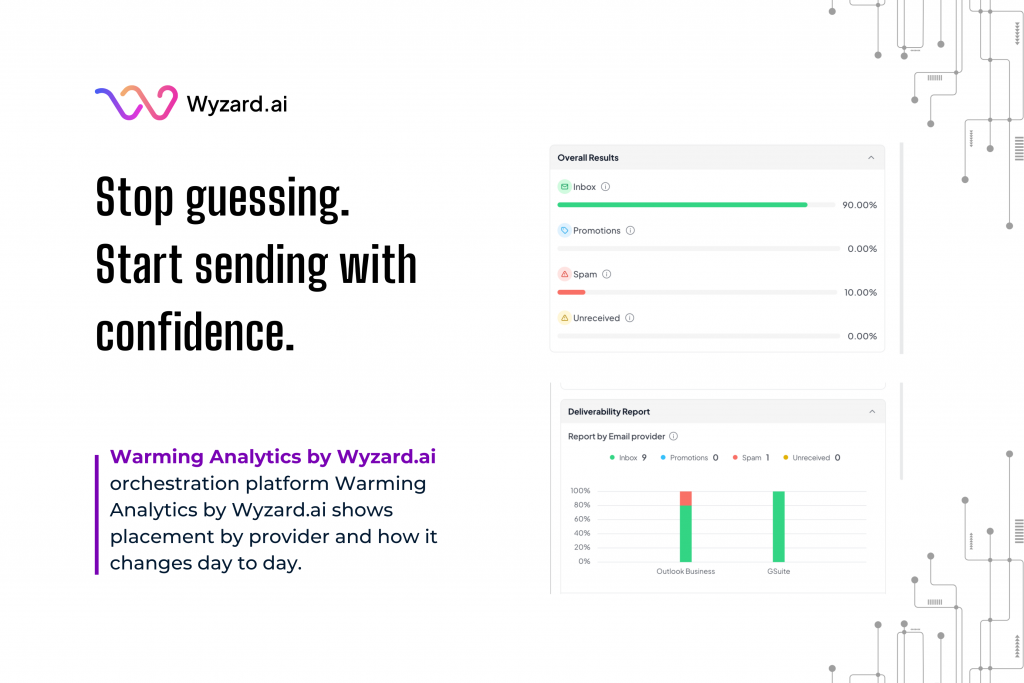
Warming Analytics: Know When a Mailbox Is Ready to Send
Outbound works best when trust stays intact. Many teams ramp up sending, then see replies drop or spam placement ...


February 20, 2026
How To Generate Leads at Events
You spent weeks planning the booth, flew your team across the country, and showed up ready to make an ...
