 We’ve secured funding to power Signal-to-Revenue AI to GTM teams globally. →
Leads don’t slip away from a lack of traffic. They slip away in the moments right after intent shows ...
Subscribe Now
A CMO signs a GTM services contract with one expectation: revenue should move. Pipeline should show movement. Buyer interest should not stall between marketing and sales. Too many GTM engagements end with advice, then silence. Slides replace execution. Opinions replace outcomes.
That gap is why the idea of a GTM services partner deserves a hard look. Success or disappointment often comes down to ownership. Who takes control when a lead scans a badge at an event? Who acts when a prospect clicks a LinkedIn ad late at night? Who responds when a webinar attendee raises their hand and expects relevance within minutes?
Wyzard.ai enters that conversation with a clear stance. We’re Wyzard, the Signal-to-Revenue AI. We capture buyer signals the moment they happen and turn them into revenue by orchestrating action across channels. That positioning matters. Ownership starts where signals appear, not where a planning deck ends.
Why “GTM Help” Keeps Letting CMOs Down
CMOs bring in outside GTM support after internal teams hit capacity. The goal is straightforward. Remove bottlenecks. Improve follow-up. Increase qualified conversations. Create pipeline lift.
Many engagements deliver fragmented responsibility. A strategy agency defines positioning. A fractional leader offers guidance. A RevOps consultancy cleans up tooling. Execution stays scattered across teams that already feel stretched.
In that model, no true GTM services partner exists. Everyone contributes input. No one owns the result. When pipeline slows, the blame returns to the CMO’s org. Internal teams carry the risk. External partners carry the narrative.
That is not a talent issue. It is an ownership issue.
Ownership Is the Missing Ingredient
A real GTM services partner does not stop at recommendations. Ownership means taking responsibility for what happens after intent shows up.
CMOs should expect ownership across four areas:
- Capturing intent wherever it shows up
- Acting on intent across channels
- Measuring impact on pipeline and revenue
- Improving execution based on results
This is the difference between activity and accountability. It is where a System of Outcomes becomes real. Outcomes demand an owner who moves signals through the funnel, not a contributor who hands off a plan.
Strategy Alone Is Not Ownership
Strategy matters. Positioning matters. Messaging matters. None of that moves revenue on its own.
Buyer behavior shifts daily. A prospect may attend a webinar in the morning, click a pricing page in the afternoon, then reply to a nurture email that night. Execution decisions in those moments carry more weight than a quarterly plan.
A GTM services partner that only advises cannot react in real time. Ownership requires presence at the execution layer, where signals turn into conversations.
What a Great GTM Services Partner Owns
Ownership is not vague. It is concrete. A strong GTM services partner owns the following areas.
1) Signal capture and interpretation
Buyer intent shows up everywhere. Website visits. Event scans. Webinar attendance. LinkedIn ad clicks. Email replies. CRM activity.
Ownership means capturing these signals live and reading them in context. Wyzard.ai supports this through its GTM Intelligence Graph, connecting accounts, people, channels, and actions into a single view. A webinar attendee is not treated as a standalone lead. Their history, behavior, and timing shape the next step.
2) Cross-channel execution
Ownership does not end with data. It extends to action.
A GTM services partner owns follow-up across email, LinkedIn, chat, voice, and sales handoff. If a lead scans a badge at an event, the response should not wait days. If a prospect replies to a nurture email, the system should route that response with context.
Wyzard, the Signal-to-Revenue AI, orchestrates this execution through WyzAgents that act across channels with coordination. The goal is simple: no signal sits idle.
3) Outcome Accountability
True ownership includes measurement. A GTM services partner owns results such as:
- Speed to first engagement
- Conversion from signal to meeting
- Pipeline influence
- Drop-off reduction
Ownership includes measurement, learning, iteration. When outcomes are owned, execution gets refined. Messaging improves. Routing sharpens. Funnel paths evolve with evidence, not assumptions.
What a GTM Services Partner Should Not Own
Clear boundaries protect results. A strong GTM services partner does not own everything.
They should not own:
- One-time strategy decks with no delivery engine behind them
- Advisory-only engagements with no day-to-day execution
- Tool audits that end at recommendations
- Long planning cycles that delay buyer-facing action
These activities can support ownership. They cannot replace it. When scope drifts into advice without execution, risk shifts back to the CMO.
This is where GTM scope must be explicit. Ownership means running motions, not just describing them.
How Wyzard.ai Defines GTM Ownership
Wyzard.ai’s managed GTM is built around execution ownership. Not fractional support. Not strategy in isolation.
Wyzard, the Signal-to-Revenue AI, connects your GTM stack, captures every buyer signal live, and orchestrates the right follow-up across channels. Website visitors, event leads, webinar attendees, LinkedIn ad clicks, nurture email replies, and CRM activity all feed into the same system.
Execution is guided by AI GTM Engineers who help define goals, tune motions, refine routing logic, and interpret performance. Human oversight stays present without slowing down response.
That creates a clear ownership model:
- Wyzard.ai owns execution and outcomes
- Internal teams gain leverage, not extra work
- Buyers get timely, relevant follow-up across channels
Advisors Versus Owners
This distinction matters for CMOs making buying decisions.
Advisors:
- Recommend strategies
- Review performance
- Suggest improvements
Owners:
- Execute daily
- Act on live signals
- Measure results
- Improve continuously
A GTM services partner should sit firmly in the second category. Advice without ownership leaves too much to chance. It leaves too many gaps between intent and action.
Who This Ownership Model Fits
Wyzard.ai fits teams that need measurable pipeline movement, not just alignment.
Strong fit:
- CMOs responsible for pipeline and revenue
- Growth teams running inbound, paid, events, webinars
- Sales leaders who need faster follow-up with context
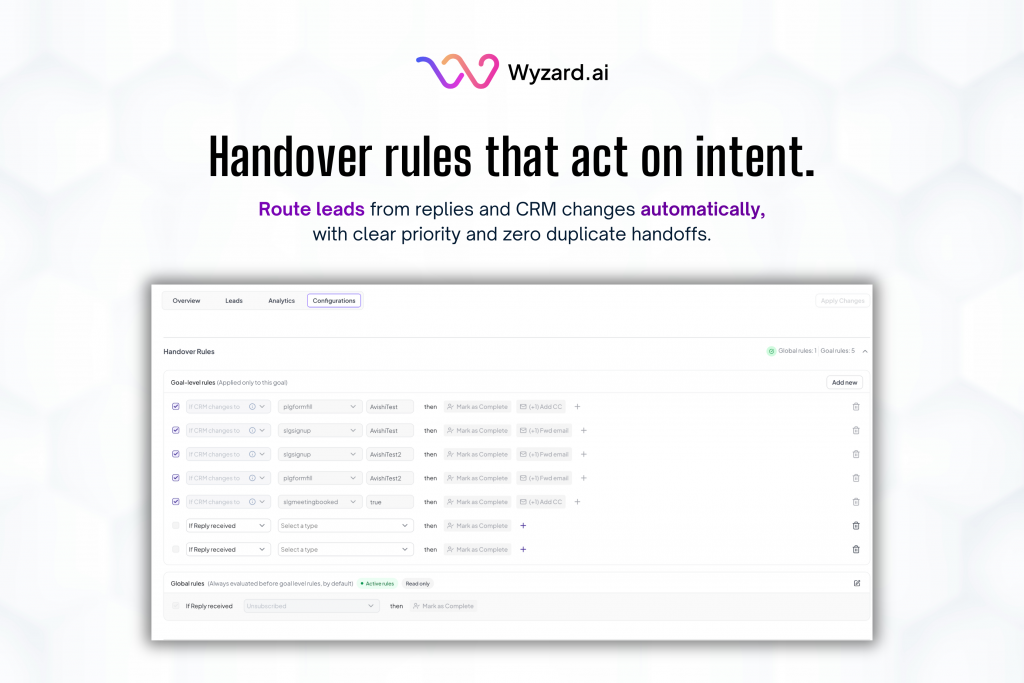
- RevOps teams tired of manual routing and brittle workflows
Weak fit:
- Organizations seeking advisory-only support
- Teams unwilling to activate real GTM motions early
- Engagements limited to planning with no execution engine
Ownership Is the Difference That Shows Up in Revenue
GTM complexity is real. Channels multiply. Buyer expectations rise. Signals move faster than teams can handle manually.
Ownership removes ambiguity. It assigns responsibility where it matters most, at the moment of intent.
A great GTM services partner owns execution, outcomes, and accountability. Opinions alone do not move pipeline. Systems do.
If you’re evaluating GTM support and want a partner who owns outcomes instead of delivering advice, book a demo. See how Wyzard.ai turns responsibility into results.
Other blogs
The latest industry news, interviews, technologies, and resources.
February 23, 2026
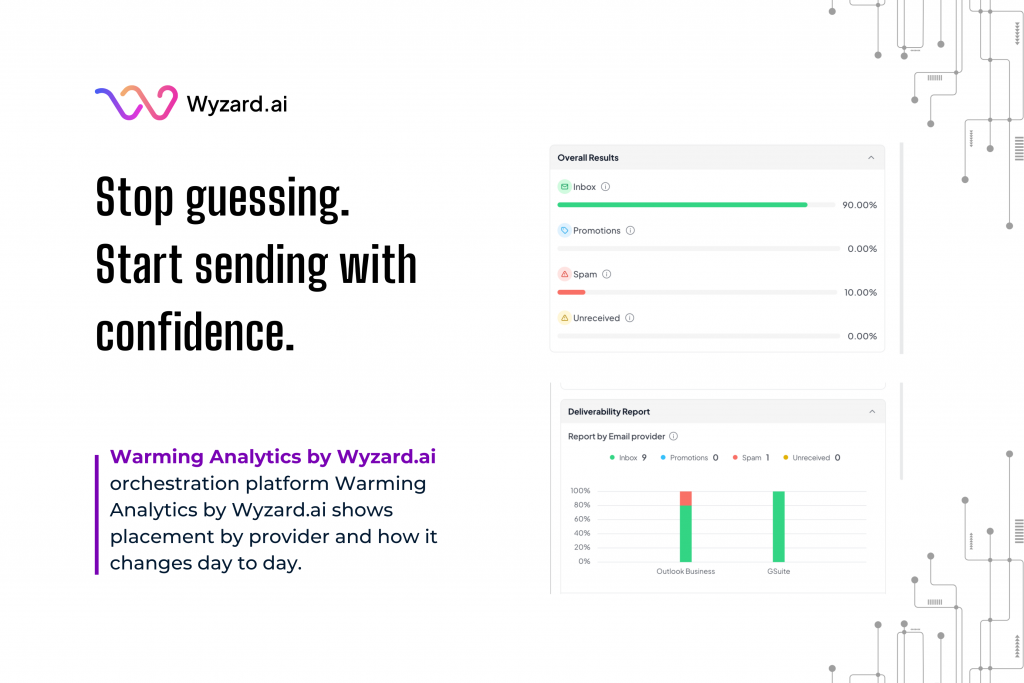
Warming Analytics: Know When a Mailbox Is Ready to Send
Outbound works best when trust stays intact. Many teams ramp up sending, then see replies drop or spam placement ...

February 20, 2026
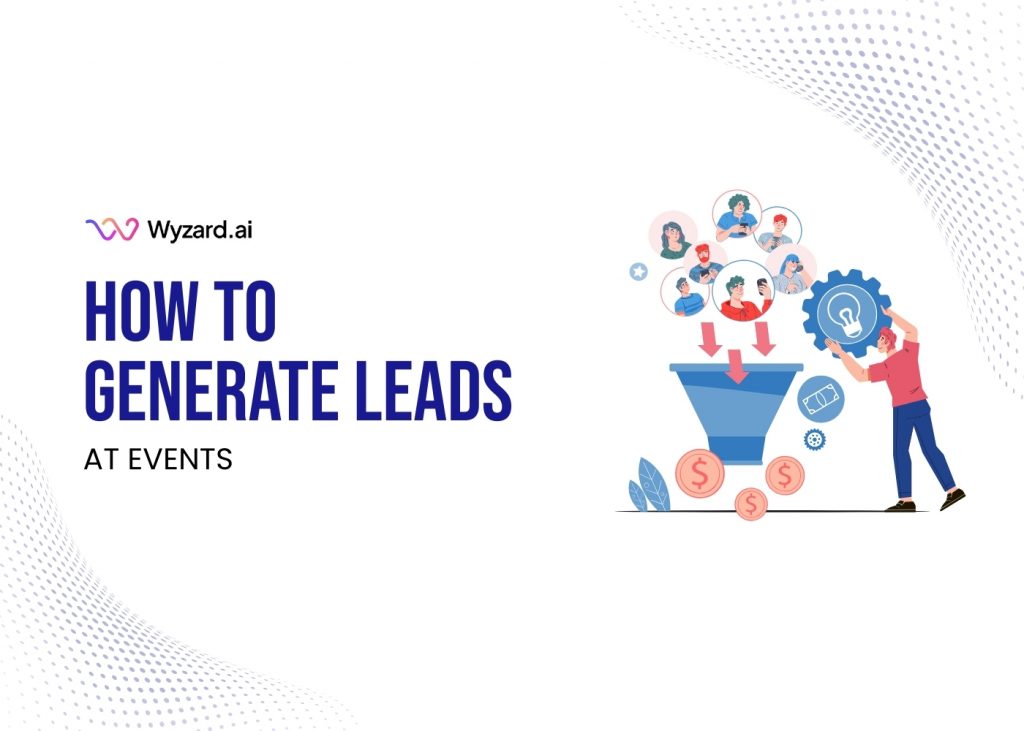
How To Generate Leads at Events
You spent weeks planning the booth, flew your team across the country, and showed up ready to make an ...
