 We’ve secured funding to power Signal-to-Revenue AI to GTM teams globally. →
Leads don’t slip away from a lack of traffic. They slip away in the moments right after intent shows ...
Permissioned Personalization: Guardrails for Agentic Messaging
Published
Categorized as Uncategorized

Subscribe Now
A CMO shared a story that still sticks. A prospect replied to an outbound email with one line: “How did you know that?” The message referenced details that felt too specific. The sender meant well. The recipient felt watched. The conversation ended, and the internal debrief shifted from growth plans to risk cleanup.
That is the line GTM teams walk every day. Buyers expect relevance. CMOs need to protect trust, brand safety, and legal posture. This tension is exactly why Wyzard, the Signal-to-Revenue AI, approaches personalization through Agentic AI and HITL with permission, context, and control built in from the start.
Personalization should feel useful, not invasive. At scale, that only happens with clear boundaries.
Why Over-Personalized Outbound Breaks Trust
Personalization has become expected in B2B outreach. Buyers want messages that reflect what they care about. Over-personalized outbound tools push this too far. They pull in loosely connected data, infer intent without confirmation, and encourage messages that cross comfort lines.
The impact lands with CMOs. Sales teams inherit uncomfortable replies. Legal teams ask where the data came from. RevOps teams end up locking everything down after the fact.
The problem is not personalization. The problem is personalization without permission and oversight. That is where Agentic AI with HITL earns its place. It lets teams scale relevance without letting agents wander into sensitive territory.
What Permissioned Personalization Really Means
Permissioned personalization starts with Personalization Limits. These limits define what an agent can reference when engaging a buyer, and what stays off-limits.
Permissioned does not mean generic. It means:
- using signals the buyer actually created
- referencing interactions that happened in owned channels
- grounding messages in known engagement, not inferred personal details
Referencing a webinar a buyer attended or a page they visited feels natural. Referencing scraped background details feels intrusive. With Agentic AI with HITL, these limits are enforced boundaries, not loose guidelines.
Guardrails Belong at the Foundation
Intent alone is not enough. Guardrails define how agentic messaging operates safely across teams and channels.
Guardrails typically cover:
- approved data sources
- restricted data categories
- language and tone boundaries
- channel-specific rules for what can be said and when
Without guardrails, agents can optimize for reply rates in ways that damage trust. With guardrails, agents optimize for buyer experience and long-term outcomes.
Wyzard, the Signal-to-Revenue AI, applies these guardrails across its AI GTM orchestration platform so personalization behaves consistently across email, LinkedIn, chat, voice, event follow-up, and webinar engagement.
Compliance Can’t be Bolted on Later
Many teams personalize first and audit later. That creates exposure. Compliance works best when it is enforced before a message reaches a buyer.
Regulatory expectations vary by region and industry. What is acceptable in one market can be risky in another. Guardrails let teams encode these realities into agent behavior.
With Agentic AI and HITL, review happens at design time. Humans stay in the loop where scrutiny is needed. Agents operate freely where it is safe. CMOs get fewer surprises. Legal gains visibility. Revenue teams keep moving.
Context Makes Personalization Safe and Relevant
Rules help, context decides. A single action can mean many things. A pricing page visit can be curiosity or active evaluation. A webinar registrant can be a student or a buying committee member. A LinkedIn click can be accidental or a strong signal.
The GTM Intelligence Graph supplies the context that turns signals into responsible personalization. It connects CRM fields, known engagement history, buying stage, and channel behavior into one view.
That lets agents personalize based on what the buyer has actually done, not what the system guesses. A buyer who clicked a LinkedIn ad, attended a webinar, and replied to a nurture email has earned a different level of personalization than someone who glanced at a blog post once. The GTM Intelligence Graph helps Agentic AI along with HITL make that distinction correctly.
Personalization Inside a System of Outcomes
Personalization should serve revenue outcomes, not vanity metrics. A System of Outcomes reframes success around what matters:
- Did the interaction move the opportunity forward?
- Did it improve conversion quality?
- Did it strengthen buyer trust?
Permissioned personalization fits this mindset. It prioritizes progress over cleverness and confidence over novelty.
How Agentic Memory Works Inside Wyzard.ai
Wyzard, the Signal-to-Revenue AI, uses Agentic Memory to support permissioned personalization safely.
Agentic Memory stores approved context only. It remembers past interactions, preferences, and signals that fall inside defined personalization limits. It does not invent context. It does not pull in questionable sources.
That lets agents:
- reference prior conversations accurately
- maintain continuity across channels
- avoid repeating questions
- stay aligned with brand and compliance boundaries
Human oversight governs what gets remembered and reused. That is Agentic AI with HITL applied to memory, not just messaging.
Permissioned Personalization Across the Full GTM Surface
A real AI GTM orchestration platform cannot limit personalization to one channel. Intent shows up everywhere.
Wyzard.ai supports permissioned personalization when a buyer is:
- visiting your website
- scanned as a lead at an event
- clicking a LinkedIn ad
- attending a webinar
- replying to a nurture email
The same guardrails apply across these touchpoints. The buyer experience stays coherent, respectful, and relevant no matter where engagement begins.
The Role of AI GTM Engineers
Guardrails and personalization logic do not manage themselves. AI GTM Engineers design, maintain, and refine these systems.
Their work includes:
- defining personalization boundaries
- setting approval logic and review gates
- aligning messaging with brand voice
- updating rules as markets shift
This role keeps Agentic AI and HITL aligned with the business, rather than drifting into risk.
Who Benefits From Permissioned Personalization
Clear guardrails help every GTM role:
- CMOs protect brand reputation while driving growth
- RevOps leaders gain consistency and audit trails
- Legal teams gain confidence in data usage
- Sales teams have better, more comfortable conversations
- SDRs avoid awkward outreach that creates replies for the wrong reasons
Personalization works best when everyone trusts the system behind it.
Trust is What Makes Personalization Scale
Personalization without permission can feel clever once and uncomfortable forever. Permissioned personalization builds trust that compounds over time.
Agentic AI and HITL, guided by guardrails, informed by a GTM Intelligence Graph, and measured through a System of Outcomes, gives CMOs a way to scale relevance without risking credibility.
Wyzard, the Signal-to-Revenue AI, orchestrates every signal into revenue while respecting the boundaries that protect buyers and brands alike.
If you want to see permissioned personalization across real GTM journeys, book a demo and see Wyzard.ai in action.
Other blogs
The latest industry news, interviews, technologies, and resources.
February 23, 2026
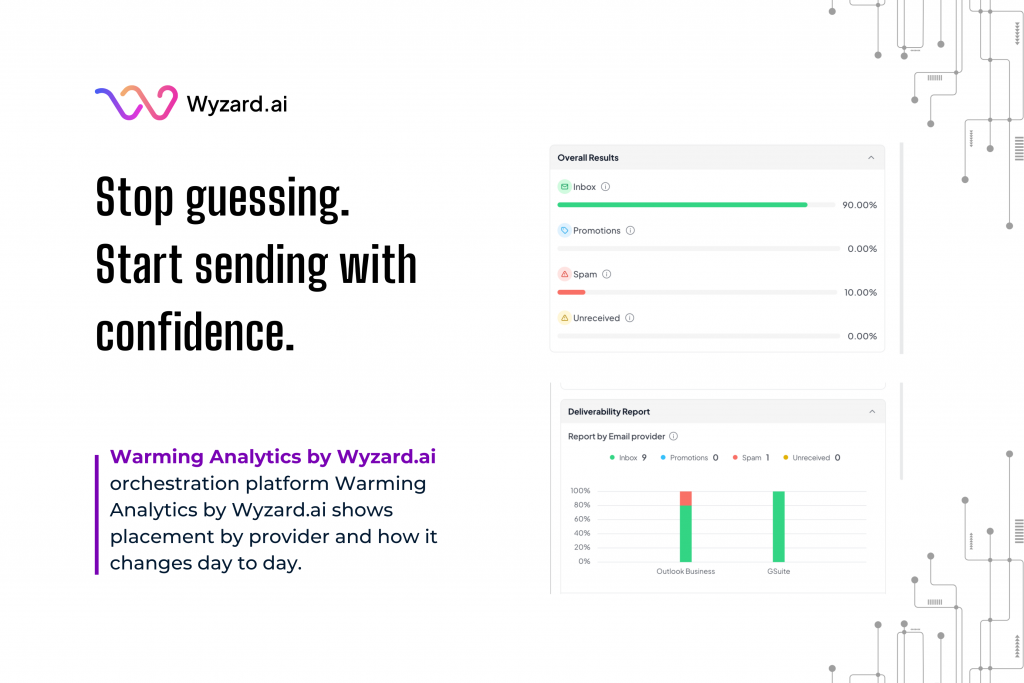
Warming Analytics: Know When a Mailbox Is Ready to Send
Outbound works best when trust stays intact. Many teams ramp up sending, then see replies drop or spam placement ...

February 20, 2026
How To Generate Leads at Events
You spent weeks planning the booth, flew your team across the country, and showed up ready to make an ...
